A slow-paced gateway on Mozambique's coast
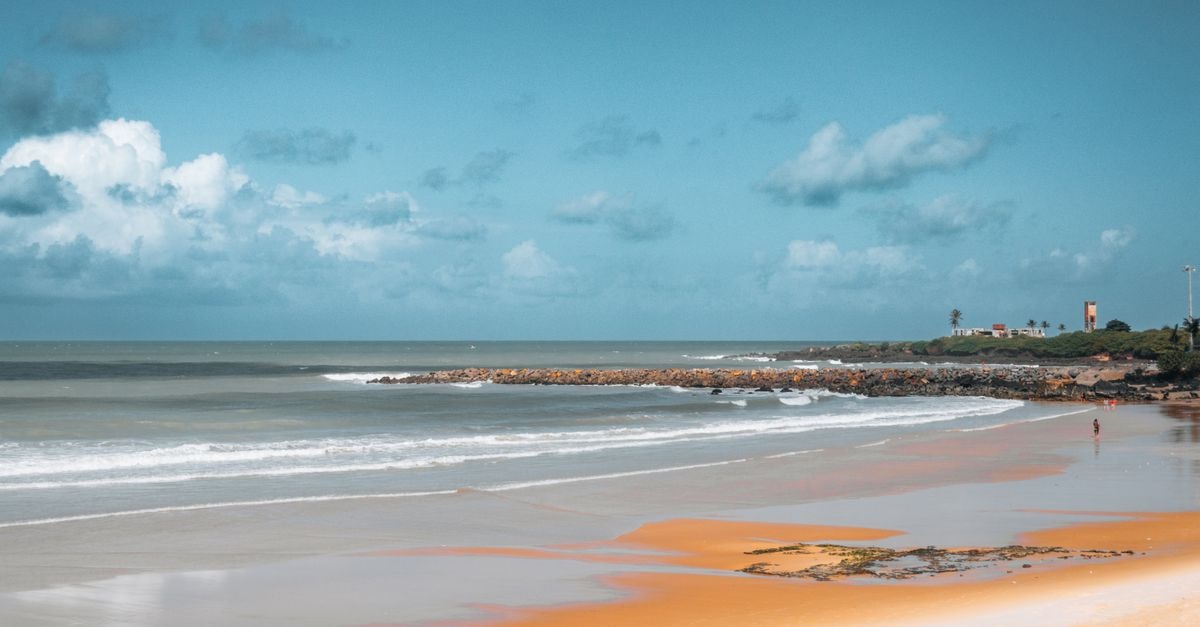
Quelimane is the kind of city that asks you to slow down. Set low along the coast of Zambezia Province, with an elevation under 200 meters, it carries the easy rhythm of a provincial capital that has kept its connection to the sea. The streets move at their own pace, the air smells of bread from the corner bakeries, and conversations seem to unfold at the speed of the tide rather than the clock.
This guide is for travelers who enjoy places that feel lived-in rather than polished, where a morning can drift between waterfront lanes, colonial-era facades and plates built on Portuguese and African roots. If that sounds appealing, Quelimane may be the kind of stop that rewards unhurried curiosity.
Weather and seasonal context
Quelimane sits at a low elevation, and the climate around the city is generally mild. Historical readings around 22°C, paired with high humidity near 90 percent, give the air a soft, warm weight that can make even gentle walks feel like a slow steam. Calm breezes are common, with light winds reported around 2 km/h in available climate averages, which means the relief along the coast tends to be gentle rather than dramatic.
Because humidity sits high, pacing matters more than packing extra layers. Travelers who prefer drier air may want to plan shorter outdoor blocks and lean on shade, water and slow lunches. Anyone sensitive to muggy conditions can consider timing long walks for early mornings when the streets are quieter and the breeze is at its most forgiving.
Getting around
Quelimane's airport, Quelimane Airport (UEL), is the primary gateway into Zambezia Province and naturally serves the city itself. Flying in is the simplest way to arrive, especially since the city sits as the provincial hub rather than a stop on a dense intercity rail network.
Once you are in town, the city's compact footprint makes it friendly to exploring on foot, particularly around the older neighborhoods. Within the historic district, lanes are narrow and the sights sit close together, so walking often feels like the most natural way to absorb the atmosphere rather than a chore.
Attractions and planning
Quelimane's appeal is rooted in heritage rather than headline sights, and that is part of its charm. A walk through the Centro Histórico de Quelimane reveals narrow lanes, distinctive architecture and a tangible sense of the city's maritime past. The old town is the natural anchor for a first visit: you can take it at your own pace, pause for photos of weathered facades and let the rhythm of the port city set the tone for the rest of your stay.
Beyond the historic core, Quelimane is described as a destination where rich cultural heritage and natural beauty combine, and the city is often presented as a budget-friendly coastal gem with a spread of attractions to explore. Rather than chasing a checklist, it works best as a place where you let the day unfold, perhaps revisiting the old town at different hours to see how the light shifts over the colonial-era walls.
Travelers who enjoy atmospheric urban wandering and harbor-flavored history may find this style especially rewarding. If you prefer dense museum circuits or tightly scheduled itineraries, you may want to recalibrate your expectations and treat Quelimane as a slow base rather than a checklist city.
Food and local context
Quelimane's culinary scene is shaped by a fusion of African flavors and Portuguese influences, a legacy that runs through the kitchens of Mozambique. Walking through the bustling streets, the scent of freshly baked bread often mingles with the calls of local vendors, painting a picture of everyday food culture that is more about daily ritual than fine dining.
Within Mozambique more broadly, meals tend to lean on seafood, cassava, maize and spice-led stews shaped by centuries of coastal trade and Portuguese presence. Visitors to Quelimane may encounter this wider national food culture in casual eateries and market stalls, where the cooking feels rooted in home kitchens rather than restaurant menus. It is the kind of food scene that rewards curiosity: point at what looks good, ask what is fresh that day and lean into the rhythm of the streets.
Choosing what fits your trip
Quelimane suits travelers who are happy trading a packed schedule for a few unhurried days of old-town lanes, soft coastal air and Portuguese-African plates. If your idea of a good trip involves atmospheric walking, fresh bread at sunrise and slow conversations over lunch, this city will likely feel like a welcome pause. If you are looking for a high-energy capital or a dense concentration of blockbuster attractions, you may want to anchor Quelimane inside a broader Mozambique itinerary rather than treat it as a standalone main event.
Packing light, breathable clothing helps given the humidity, and planning one or two anchor activities per day tends to leave room for the spontaneous moments that give Quelimane its flavor. A half-day in the Centro Histórico, paired with relaxed meals and an open afternoon, is often more rewarding than trying to cover every corner in a single sweep.
Before you go
A short verification question worth asking before travel: confirm current flight options into UEL and any local transport notes for your specific arrival time, since timetables and services can shift. Factual travel conditions can change, so official channels and up-to-date local sources should be checked before departure.
Share this article
TOOLS FOR THIS PLAN
Make the Quelimane plan measurable
Choose a tool only when it answers the next question in your trip. Your values stay in the browser, and each tool offers a route back to this planning context.