A riverbank city with layered history
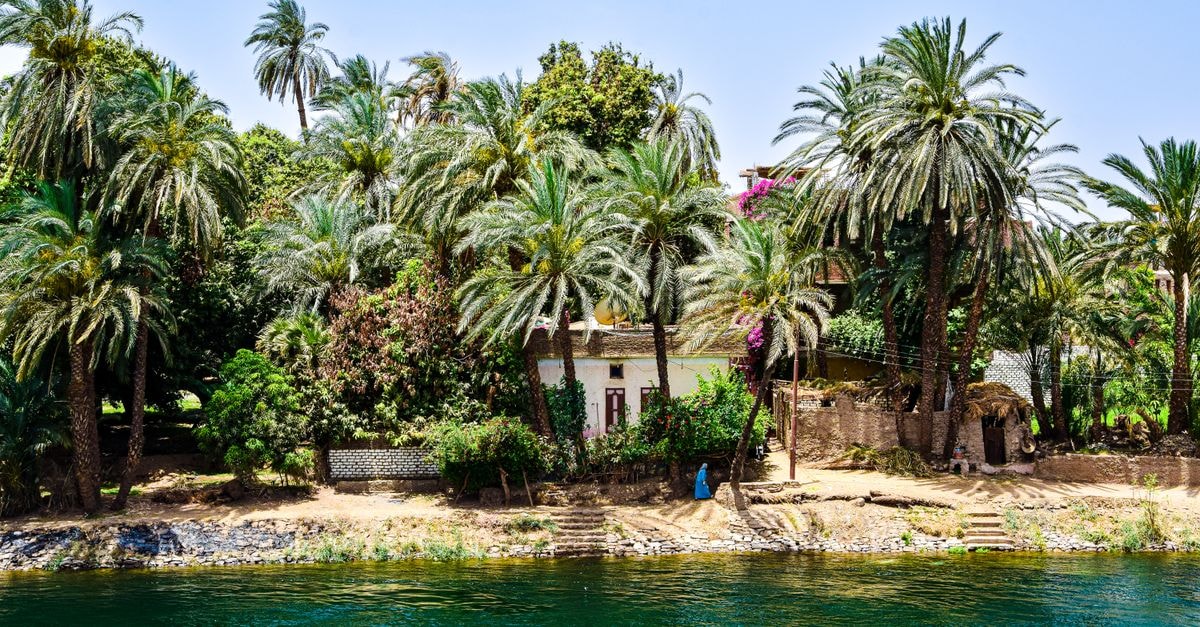
Kūstī sits on the eastern bank of the White Nile in Sudan's White Nile state, and that single setting does most of the work in shaping how the city feels. The river is the spine of the place — wide, slow-moving, and reflective — and the older parts of town gather close to it. Travelers who like destinations where geography, rather than a long checklist of attractions, defines the mood tend to appreciate Kūstī for exactly this reason.
The city is described in travel sources as one of the oldest in Sudan, with a cultural heritage that stretches back through ancient times. That history isn't presented as a museum trail; it shows up in the rhythm of daily life, in the way the town faces the water, and in the landmarks that have outlasted several chapters of the country's story. For a visitor, this often translates into a relaxed stay in which the biggest cultural reward is simply paying attention to the layers of the place rather than rushing between ticketed sites.
If you prefer trips that lean into heritage and atmosphere over high-energy sightseeing, Kūstī may suit your style of slow travel. The city rewards unhurried observation more than a packed timetable, and many travelers find that the river itself becomes the main attraction over the course of a stay.
What to see in and around the city
The attractions picture in Kūstī is intentionally compact, which is useful to know before you plan your time. Two landmarks tend to anchor most visits: the Kusti Mosque and the White Nile Bridge. Both are framed in guidebooks as historic sites that offer a glimpse into the region's past, and they sit naturally within the fabric of the city rather than behind admission gates.
The White Nile Bridge is the more visually obvious of the two, simply because it spans the river that defines Kūstī's setting. The Kusti Mosque carries a different kind of weight, reflecting the spiritual and architectural traditions of the area. Together with the river itself, these two sites form a small but coherent circuit that most travelers can comfortably combine into a single unhurried day.
It's worth approaching the city with realistic expectations. Kūstī is described as a small city, and the attraction base reflects that scale. Travelers who enjoy quieter, lesser-visited destinations often find this refreshing; those who want a dense urban itinerary may find the city feels slower than expected. Either way, the practical outcome is a visit shaped by walking, river views, and stops at the historic core rather than a string of admissions.
Food and the wider Sudanese context
Dining in Kūstī has its own character, and it's best understood through both what the city offers and the broader Sudanese food culture you may encounter while in the country. In Kūstī itself, the food scene is described as lively after dark, with restaurants and cafes that stay bustling late into the night. This makes evenings a natural moment to settle into the city, particularly if your daytime hours have been spent around the river and the historic landmarks.
Sudan as a whole has a rich and varied food culture that visitors to Kūstī may encounter in various forms. Across the country, dining tends to reflect long-standing local traditions alongside influences brought by trade, migration, and the presence of diplomatic and expatriate communities. In larger urban centers elsewhere in Sudan, for example, Khartoum's Central Market (Al-Markaz) is noted for serving diplomatic and expat communities with sections that include Lebanese spice blends, European cheeses, and vegetables from more temperate climates. While Kūstī is a smaller river city with a different rhythm, travelers may notice echoes of this wider Sudanese willingness to blend regional and imported flavors in everyday meals.
A practical note for travelers: in Kūstī, the evening scene tends to be a friendly entry point into local food culture simply because that is when restaurants and cafes are most active. If you prefer meals as a social moment rather than a quick refuel, the late-evening pace of the city may suit your travel style. Keep in mind that the evidence here is about the rhythm of dining in Kūstī and the broader Sudanese food context, not about specific menu items, prices, or opening times, so it helps to ask locally for current recommendations once you arrive.
Choosing what fits your trip
Because the attraction list in Kūstī is small, the way you shape your visit comes down to a few clear tradeoffs. If you want a destination where the river is the main event and heritage landmarks add texture rather than volume, Kūstī is a strong fit. If you prefer dense sightseeing each day, the city's quieter pace may feel light, and you may want to balance Kūstī with another stop rather than build the whole trip around it.
Food-wise, the city's lively evening restaurant and cafe culture favors travelers who enjoy late meals as part of the travel experience. Visitors who prefer early dinners and quiet nights may want to plan their evening expectations accordingly. Travelers interested in the wider Sudanese food culture can use Kūstī as a calm base while staying curious about how regional flavors show up in smaller river-city settings.
Culturally, the city's identity as one of Sudan's oldest places — framed around the White Nile, the Kusti Mosque, and the White Nile Bridge — rewards visitors who arrive with patience and an interest in layered history. With limited attraction density and an evening-leaning food scene, the trip tends to suit slow travelers and heritage-focused visitors more than those chasing a packed urban itinerary.
Practical notes before you go
Travel conditions in Sudan can change, and Kūstī is no exception. Before finalizing your plans, it is worth checking current travel advisories from your own government, confirming the status of any accommodation and transport options locally, and verifying visa and entry requirements through official Sudanese channels. Currency, transport schedules, and on-the-ground services can shift quickly, so treat published details as a starting point and confirm them close to your departure date.
Because the available evidence covers the city's setting, heritage landmarks, and the rhythm of its food scene, it does not include specific prices, opening hours, or transport timetables. A reasonable approach is to plan your visit around the river, the mosque, and the bridge as your anchor points, leave evening hours open for the city's late-night dining culture, and confirm specific operational details once you are on the ground or through current official sources. Rates, if you exchange money, should be checked against the live market rate at the time of your trip rather than treated as fixed.
If you have one essential question to verify before traveling, it might be the current local guidance on getting around the city and crossing the river — both shaped by the White Nile Bridge — since these will shape how comfortably you can move between the heritage sites on either bank.
A quick reminder: factual travel conditions can change, and official channels should always be checked before departure.
Share this article
TOOLS FOR THIS PLAN
Make the Kūstī plan measurable
Choose a tool only when it answers the next question in your trip. Your values stay in the browser, and each tool offers a route back to this planning context.