A first glance at Goma

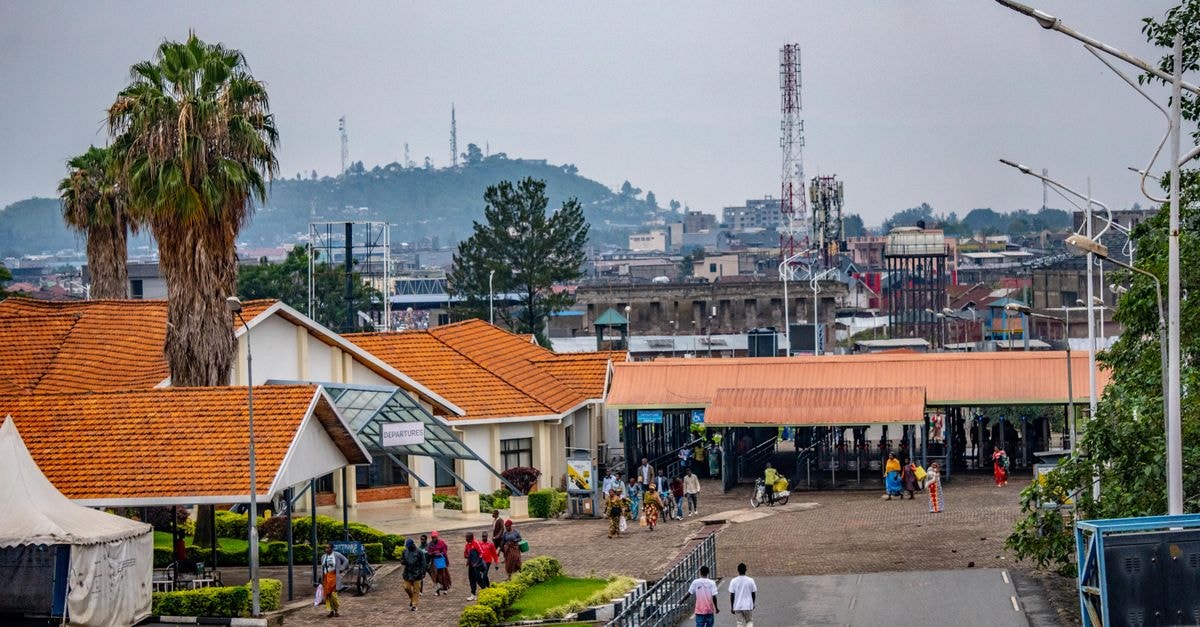
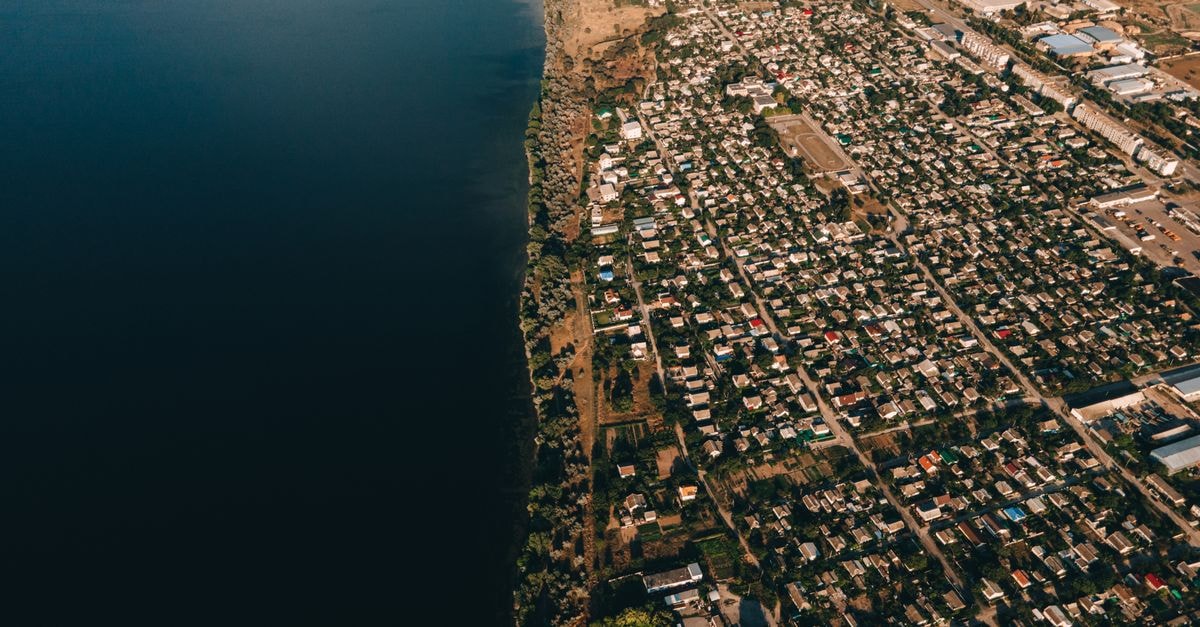
Goma crouches along the northern rim of Lake Kivu, a thin strip of city pressed between water and the green swell of hills that rise toward the Rwandan border. The setting alone gives travellers a reason to pause: a long lake horizon in one direction, volcanic highland landscape in the other. The city has long been talked about as a gateway to gorilla trekking adventures farther afield, and that framing still colours how most visitors plan their time here. Tourism guides describe Goma as blending raw natural beauty with growing cultural vibrancy, and improved safety conditions have helped reintroduce the city as a stop for travellers exploring the wider region.
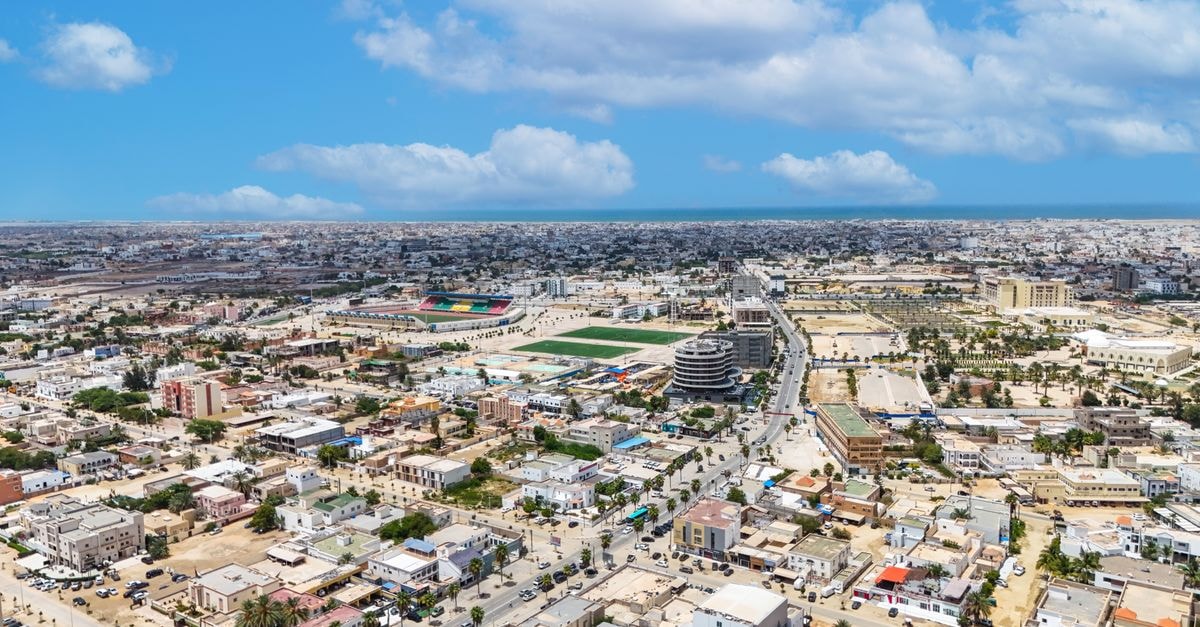
What strikes people most on a first visit is the contrast. There is a working, lived-in energy to the streets, with a small urban core that spills quickly into residential lanes, lakeshore paths, and green outskirts. The rhythm of the day tends to be unhurried by tourist standards, which is useful context for anyone who arrives expecting a fast-paced city break. Goma rewards a slower approach: short mornings, a long lunch, time on the lake edge, and an afternoon that respects the heat and the pace of local life.
Because official transport information is thin and gorilla permits, park access, and security guidance can shift quickly, the practical approach is to keep plans flexible and to verify the details that matter most to you before you set off. This guide walks through what is reliably known about moving around, what to anchor a visit to, and how the food scene feels on the ground.
Getting around
Moving around Goma is one of the first things travellers ask about, and the honest answer is that there are no official routes or designated hubs for local transport. That single line of context shapes a lot of how a visit unfolds. There is no metro, no formal bus terminal to memorise, and no published timetable to study the night before. Instead, the city is navigated through a patchwork of options that locals use every day, and visitors are expected to ask, negotiate, and follow recommendations from hosts, hotels, and tour operators rather than from a printed network map.
For most independent travellers, that reality translates into a few practical habits. Journeys inside the city are typically arranged on the spot, often through a driver recommended by your accommodation or by the organisation coordinating your gorilla trekking or Virunga National Park visit. Because there are no official routes, asking two or three people the best way to reach a specific point is normal practice, and the answers can shift depending on traffic, roadworks, or the day of the week.
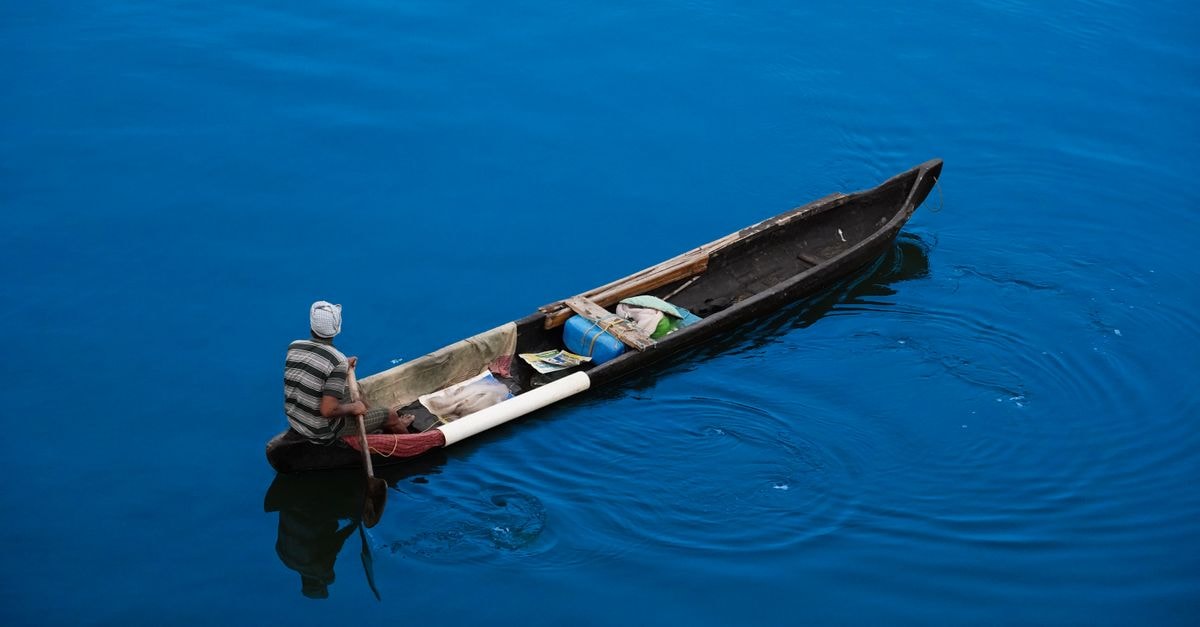
The one clearly defined transport niche is on the lake. Specialized transport exists in Goma, and it is exclusively for lake travel. That means boat connections across or along Lake Kivu are a real and structured option, distinct from the looser, road-based movement inside the city. Travellers heading toward lakeside villages or simply wanting a different view of the horizon tend to think of this as their most predictable movement choice. For everything else on land, treat getting around as a conversation rather than a route.
A few general habits tend to help. Carry small local currency for short hops. Build in extra time for any journey that involves a meeting, a park office visit, or a scheduled boat crossing. Confirm pickup points in person the evening before, and ask your hotel or guide to write the destination down in the local spelling, since street names and landmarks are easier to navigate by reference than by formal address.
Attractions and planning
Goma's appeal as a destination leans heavily on its role as a gateway. The city is consistently described as a starting point for gorilla trekking adventures in the parks to the north, and that framing is the single most important thing to absorb before planning any itinerary here. Most visitors are not coming to Goma for a dense urban checklist; they are coming for the surrounding landscape, the protected areas, and the cultural encounters that begin at the city's edge.
Within the city itself, one anchor stands out: the Virunga National Park headquarters. The park office stirs at dawn, and that early rhythm is part of the experience. Travellers interested in the park typically arrive before the day warms up, in time to see the office open and to begin the formal process of arranging visits, permits, and briefings. The headquarters functions as both an administrative hub and a kind of threshold; the conversations that happen there shape the rest of a visitor's time in the region. Showing up early is not just practical, it sets the tone.
The lake itself is part of the city's identity. Goma sits on the rim of Lake Kivu, and the shoreline is woven into daily life. Even visitors who do not take a boat trip will find themselves walking, sitting, and watching the water at some point during their stay. Because specialized transport here is exclusively for lake travel, the boat options are real, and a short crossing is often the most memorable way to break up a visit.
When planning, keep the structure simple. Build your day around one main outdoor experience, allow time at the Virunga office if the park is on your list, and leave room for the lake to be a presence rather than an item to tick off. The city's tourism material describes Goma as offering a blend of natural beauty and growing cultural vibrancy, and the practical version of that is a place where the strongest experiences come from being present on the lake edge or at the trailhead rather than from a packed urban itinerary.
A short note on safety framing: tourism sources describe improved safety conditions as part of the current picture, which is why travellers are returning at all. Conditions can change, and any traveller heading toward the parks should treat official guidance from your government, your tour operator, and the park authorities themselves as the final word on the day you travel.
Food and local context
The food scene in Goma is shaped by informality. Most dining in the city is informal, which is less a comment on quality than on setting. Meals tend to happen in unpretentious spaces: streetside stalls, small neighbourhood restaurants, hotel dining rooms, and casual spots near the lake. For visitors, that translates into a relaxed approach to eating out, where the structure of the meal matters less than the company and the food itself.
Within that informal food environment, there is a collection of essential dishes that reflect local cuisine and traditions. These are the plates travellers are pointed toward by hosts and guides, the ones that anchor a sense of what Goma tastes like beyond the international hotel menu. Asking what is cooking that day, or which dish the kitchen is known for, tends to be the most reliable way to find them; they rotate with season and supply rather than sitting on a fixed printed menu.
A practical note on payment: because most places operate informally, carrying small local currency is the simplest way to handle meals, snacks, and short rides. Card acceptance is not the default in many of the casual spots where the best food is found, so it is worth planning for cash while keeping a backup method for larger arrangements made through hotels or tour operators.
A short checklist before you go
Because official information about transport routes, park access, and dining options is limited, a little preparation goes a long way. Confirm your gorilla trekking or Virunga visit through a recognised operator, arrive at the park headquarters early, and treat any details about transport schedules, opening hours, and prices as something to check on the ground rather than something fixed in advance. Currency rates shift, conditions on the lake can change, and the practical reality of moving through Goma rewards a flexible plan and a patient frame of mind.
The city itself is part of the experience. A morning at the Virunga office, a slow lunch in a casual spot, an afternoon on the lake edge, and an early evening watching the light move across the water is, for many travellers, the shape that a satisfying visit to Goma takes. Keep it simple, leave room for the unexpected, and let the lake set the rhythm.
Prices, opening hours, schedules, reservation rules, and local conditions can change; verify them through official channels before departure.
Share this article
TOOLS FOR THIS PLAN
Make the Goma plan measurable
Choose a tool only when it answers the next question in your trip. Your values stay in the browser, and each tool offers a route back to this planning context.