A Slow Look at Blagoveshchensk

This guide leans into the evidence we have: how the city's landmarks shape a day on foot, how its layout rewards walking between squares and parks, and the kind of Russian food culture visitors can expect to encounter. It is written for travelers who want a grounded, low-pressure look at the city before they go.
Weather and seasonal context
The approved sources frame Blagoveshchensk, and the twin city of Heihe across the river, as comfortable in summer, with sightseeing spread across open squares and the train station area. One guide's first day points visitors toward three central landmarks — Lenin Square, the Blagoveshchensk train station, and Victory Square — as a simple way to take the city's pulse and absorb its history in a single morning or afternoon.
Around the cathedral area, the practical advice is the same kind of low-friction encouragement: no complicated planning required, just follow the well-marked popular spots. Even first-time visitors, the source suggests, can move between them without getting tangled in logistics.
Because the evidence describes general comfort in summer rather than a specific forecast, it is worth treating this section as gentle seasonal context for planning a visit in that part of the year.
Getting around
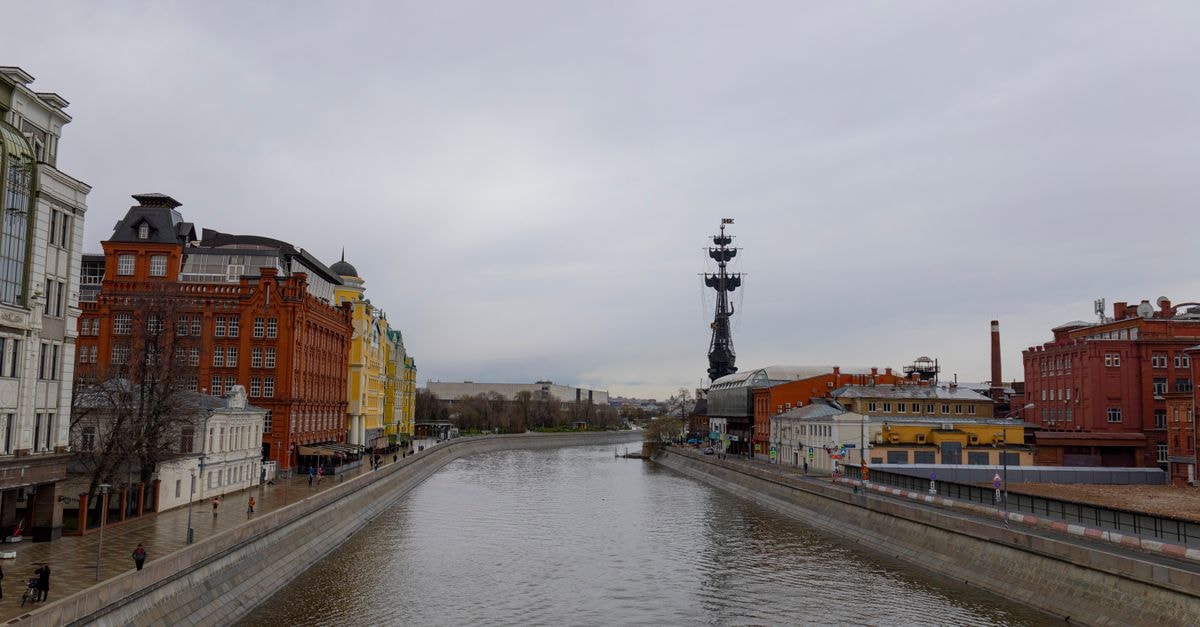
Blagoveshchensk's layout is friendly to visitors who like to walk. The city is built around several squares and parks that act as cultural landmarks, reflecting the heritage of the Amur region and giving travelers quiet places to pause between stops. That structure means you can build a day around a short chain of central points rather than long cross-town trips.
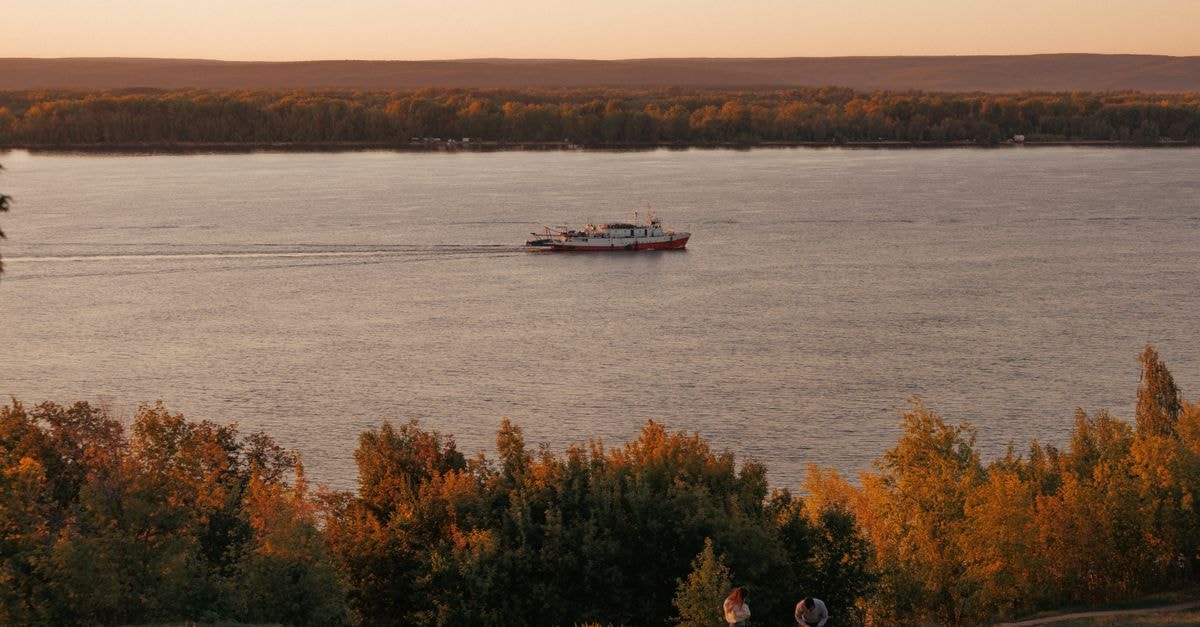
For anyone arriving by rail, the train station is one of those central anchors the city is organized around, which makes orientation easier on the first day. The square-and-park rhythm also helps if you only have a few hours: pick a square, walk to the next, and let the riverfront pull you toward the Amur when you are ready for a quieter moment.
The practical upshot is that you do not need a dense plan to feel oriented here. A loose route of squares, the cathedral area, and the riverside tends to give a rounded first impression without rushing.
Food and local context
Eating in Blagoveshchensk sits within the wider story of Russian food culture, and that nationwide context is useful framing for visitors who arrive without strong expectations. Russian cuisine has moved well past the old stereotypes of plain boiled cabbage and cafeteria-style monotony. In practice that means you are likely to encounter dishes built around slow-rendered pork fat, dark crusty bread, and sharp fermented flavors — the kind of food that lingers rather than disappears from memory.
Two dishes are worth knowing by name, because they show up across the country and are easy to ask for. Pelmeni are small Siberian-style meat dumplings that function as everyday comfort food: filling, warming, and present in a wide range of settings from family kitchens to casual restaurants. Black caviar sits at the other end of the scale, often described as one of the most expensive food products on Earth, with a long history tied to river ecosystems and, more recently, aquaculture.
Within Russia more broadly, traditional dishes, dining customs, and broader culinary experiences form a recognizable thread, so visitors who arrive curious rather than cautious tend to get the most out of meals here. As nationwide context, this is what you may well encounter while sitting down to eat in the city, even if the specific restaurant, market, or menu is your own discovery on the ground.
Practical notes for a relaxed visit
A few small habits tend to make a Blagoveshchensk day feel smoother. Keep the first loop simple — one square, the cathedral area, the train station and Victory Square give you the city's basic outline. After that, follow whichever park or stretch of riverfront pulls you next, and save any longer decisions for the second half of the day.
Because most of the approved guidance points toward an open, walkable layout, comfortable shoes are usually enough preparation. Treat the cathedral and central squares as the heart of the city, and treat anything beyond them as a bonus rather than a must.
A note on verifying details
Factual travel conditions — including any local opening times, transport details, and prices — can change, and the most reliable way to confirm them before departure is through official channels and up-to-date local sources. Treat the framing in this guide as a starting point for your own planning rather than a final checklist.
Disclosure: NexaCurrent uses approved editorial sources to build evergreen city guides. Conditions in any destination can shift, so always cross-check key details before you travel.
Share this article
TOOLS FOR THIS PLAN
Make the Blagoveshchensk plan measurable
Choose a tool only when it answers the next question in your trip. Your values stay in the browser, and each tool offers a route back to this planning context.