Destination Overview

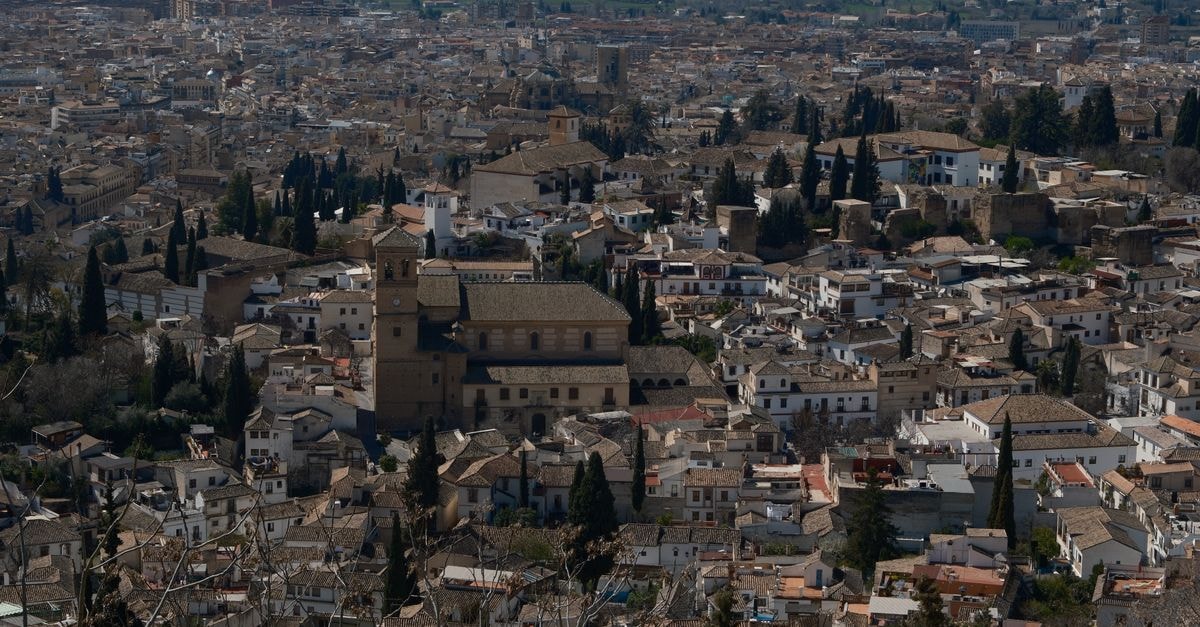
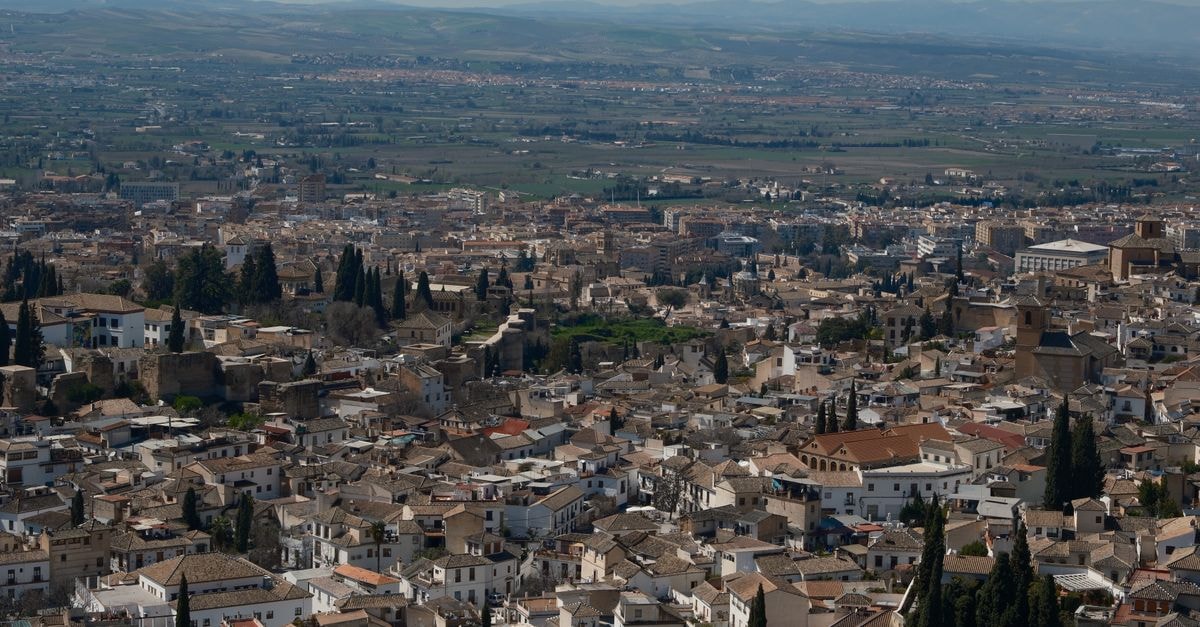
Granada sits at the foot of the Sierra Nevada in Andalusia, and the city carries one of Spain's most layered identities: a Moorish palace-fortress on a wooded hill, an old Muslim quarter that spills down a slope, a cave-dwelling Roma neighborhood carved into the hillside, and a university center that fills the old town with students through much of the year. Most visitors come for the Alhambra, stay for the Albaicín's whitewashed lanes and end the evening on a terrace that looks back at the palace from the Mirador San Nicolás. Granada is compact and small enough that a first-time visitor can find their bearings in a single afternoon — provided they pick the right afternoon, and that choice is unusually important in July.
July 2026 Weather: Four Climates in One Province
Plan a July trip to Granada as a heat-management trip rather than a sightseeing marathon. The provincial tourism office's seasonal guide is direct: "July in Granada is a heat-management trip." A detailed forecast for the month carries an official weather alert flagging a "Moderate high-temperature warning" with hourly conditions available, and so far July 2026 in Granada has tracked "nearly identical to the historical average, with a temperature of 35." That figure refers to daytime highs, and the sun is direct at this latitude.
The same official guidance is also direct about geography: "The city, Costa Tropical, Alpujarras and Sierra Nevada high routes can feel like four different climates, so do not build a single all-day city itinerary around midday walking." In practice that means the Alhambra's hilltop Generalife gardens, the tight Albaicín lanes and the south-facing coast are not interchangeable in a single day. Sierra Nevada's high routes sit at altitude and offer different conditions; the coast offers a midday escape when the city is hottest; the city itself rewards an early start and a long afternoon break.
For a typical July day, anchor outdoor time to the morning and the golden hour. Cafés, museums and the city's tapas bars step in for the middle of the day. Carry water, plan shade stops and treat any uphill walk as heat exposure rather than a casual stroll.
Getting Around on Foot and by Bus
The city government's visitor transport page describes the urban layout in unusually direct terms: "The easiest way to get around Granada is on foot, as the city has a very special urban layout due to its geography and historical heritage." The old center, the cathedral, the Realejo and the lower Albaicín are close enough together that walking covers the ground between them.
Where walking gets impractical, the city's public bus network fills the gap. According to the local transport guide, "In Granada, you'll find red urban buses and minibusses that connect practically all parts of the city," and the larger buses are equipped with ramps for accessible boarding. The same accessibility policy has applied since June 2017 to the smaller minibuses that climb to the Alhambra, Albaicín and Sacromonte.
Alhambra, Albaicín and Sacromonte by Minibus
Granada's hill neighborhoods are the hardest part of any itinerary, and the city's bus map handles them with a dedicated minibus service rather than the standard red urban buses. The official route note explains why: "Due to the narrow and irregular layout of the streets of Sacromonte and Albaicin, only Alhambra Bus minibusses make the journey to these neighborhoods of Granada." That same minibus line is the public option for reaching the Alhambra's main entrance from the city center, with stops in the lower Albaicín on the way up.
Two practical points follow. First, the minibuses — not the larger red buses — are what climb to Sacromonte and into the Albaicín, so visitors who try to navigate those neighborhoods by regular bus will find their routes end at the bottom of the hill. Second, accessibility is built in: every Alhambra minibus has been equipped with a ramp since June 2017, matching the larger urban buses.
For travelers in midsummer heat, the minibus still makes sense for a Sacromonte flamenco evening or an Albaicín sunset, both of which sit at the top of steep, twisting streets that punish pedestrians in afternoon sun.
Tapas Culture: Drinks That Come with Food
Granada's most distinctive food custom is older than any current restaurant trend, and it shapes how visitors eat here. As one regional food writer puts it, "Granada is one of the last places in Spain where ordering a drink still gets you food for free." A separate tapa guide is more direct: "That's the price of a drink, and it comes with a free tapa." In other words, the cost of a beer, a glass of wine or a vermouth is the entry ticket to a small plate of food chosen by the kitchen — usually a regional dish, often enough for a light lunch when portions run generous.
This is the local way of eating, and a food writer visiting specifically to map it warned against the alternative: "You want to eat the way locals eat, not the way the Alhambra queue eats." The practical upshot is that tapas bars — not restaurants — are the everyday dining room. Visitors move from one bar to the next, ordering a drink and a free tapa at each stop, rather than sitting down for a long, ordered meal.
Granada does not position itself as a fine-dining city. The same regional food guide is explicit: "Granada does not have Michelin stars or a celebrity chef scene." What it has instead is a dense neighborhood bar map where each stop offers a different kitchen's idea of a free plate, and where locals happily make a long evening of three or four bars rather than one formal dinner.
For first-time visitors in July, this maps neatly onto the rhythm of a hot day: a slow lunch built around one or two tapa stops, a long afternoon break, and an evening that starts after sunset and runs across multiple bars in the center or the lower Albaicín.
A Note on Conditions
Heat warnings, bus routes, accessibility equipment and tapa customs can all change. Before departure, check an official tourism channel and the city transport operator for the latest July 2026 conditions.
Prices, opening hours, schedules, reservation rules, and local conditions can change; verify them through official channels before departure.
Share this article
TOOLS FOR THIS PLAN
Make the Granada plan measurable
Choose a tool only when it answers the next question in your trip. Your values stay in the browser, and each tool offers a route back to this planning context.