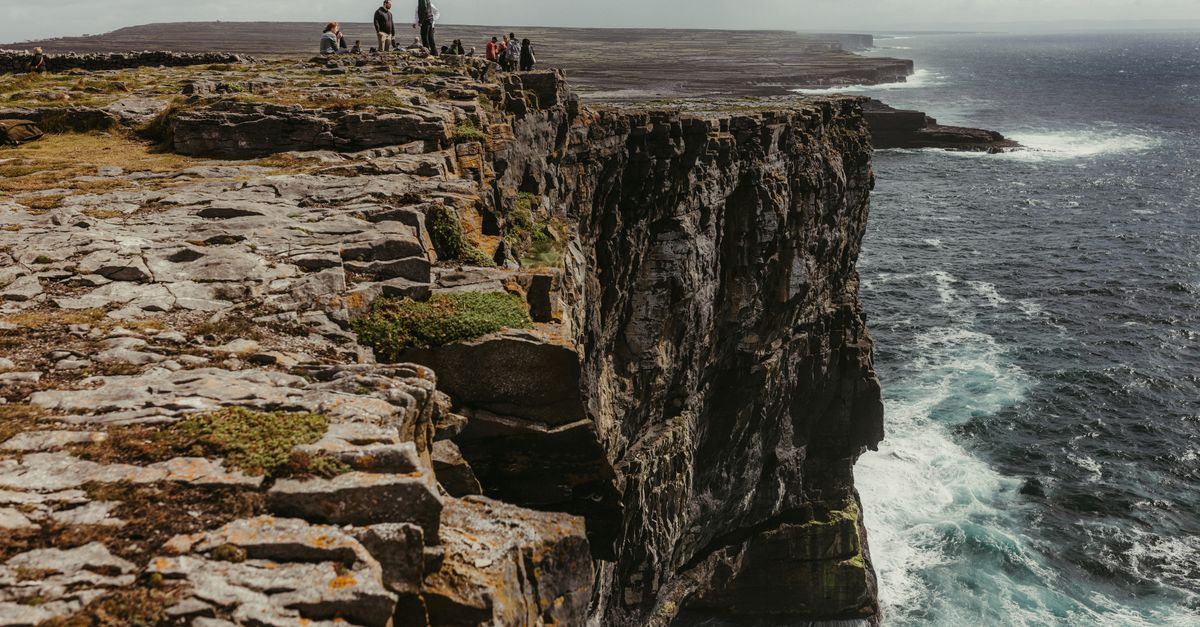
Stavanger sits on Norway's southwest coast as the country's fourth-largest city and the gateway to the Lysefjord, the cliff plateau of Preikestolen (Pulpit Rock) and one of Scandinavia's most exciting summer festival calendars. The compact harbor city blends a 173-house wooden Old Town with a working oil-town centre, then opens directly into fjord country and broad Atlantic beaches at Sola. In July 2026, Stavanger runs hot, in every sense: long daylight, packed trails, festival crowds and hotel rates at their annual peak. This guide covers what you actually need to plan a July trip: weather, transport, hikes, the Tall Ships Races 2026, costs, currency and where to eat.

July Weather & Daylight in Stavanger
July is the warmest and one of the wettest months in coastal Stavanger. Daytime highs on the coast sit around 18°C with lows near 12°C, and the nearby North Sea reaches roughly 14°C, warm enough for a brisk swim at Solastranden. Rainfall in July averages about 95mm spread across roughly 15-17 wet days, usually as short showers between sun rather than all-day downpours, so pack a waterproof shell rather than expecting constant drizzle. June is normally the driest month, so July trades a little dryness for the longest evenings of the year.
Sunshine hours peak near 359 in July, and because Stavanger is just below the latitude where the sun technically never sets, daylight stretches well past 22:00 with a soft twilight to follow. That extended window is exactly what makes Pulpit Rock and other Lysefjord hikes practical for early-morning or late-evening starts. Inland areas such as Sirdal can climb to 18-22°C and stay a touch more stable, but the hikes most visitors come for are right on the coast in the same mild 15-20°C range described by Visit Edge of Norway.
Getting There & Getting Around
Stavanger Airport (SVG) at Sola is the main entry point, with regular direct and transit flights from London Gatwick and other major hubs. From the airport, the local bus network (Kolumbus) connects to the city centre in roughly 25 minutes. Once in town, Stavanger is genuinely walkable: the harbour, Fargegaten (the Colourful Street), the cathedral and Gamle Stavanger are all within a short stroll. For longer hops, Kolumbus runs city buses, local boats and the Jærbanen local train, while regional trains on the Sørlandsbanen are operated by Go-Ahead.
Driving is useful for reaching Preikestolen and Sola beach on your own schedule, and rental cars are easy to pick up at the airport. Parking inside central Stavanger is limited and paid, so for the Tall Ships Races week the municipality specifically asks visitors to arrive by bus, boat, local train or bicycle rather than car. Taxis are available at Olav Vs gate and Haakon VIIs gate. Cycling is genuinely practical in summer, with multiple bike-parking facilities near the city centre. For the Lysefjord itself, sightseeing boats and RIB boats depart from the harbour near Vågen; cruises run daily year-round and typically last 3 to 3.5 hours.
Top Attractions & July 2026 Events
Preikestolen is the headline attraction. The trail is about 8 km round trip with roughly 500 m of elevation, taking 4-5 hours return, and the trail itself is free. The Preikestolen parking fee is around 264 kr for stays over two hours, so leaving the car for the full hike costs noticeably more than a quick stop. Aim for an early-morning start: the cliff platform of about 25 by 25 metres perches 604 m above the fjord, and in July the early light and cooler temperatures make the climb far more pleasant. For anyone with extra time, Kjerag and its famous Kjeragbolten boulder are also reachable from the region as guided day hikes.
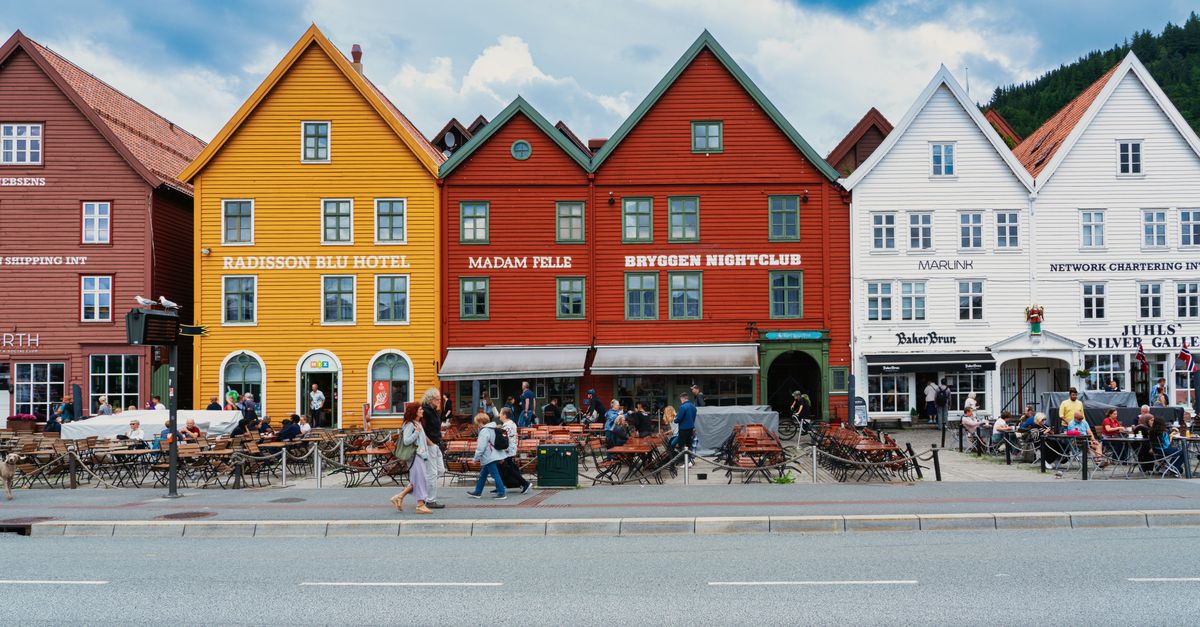
Gamle Stavanger, the Old Town, is Northern Europe's best-preserved wooden house settlement: 173 white-painted, 18th- and 19th-century cottages over cobbled lanes, many housing small galleries and cafés. Plan a slow wander in the late afternoon when the light softens. The Norwegian Petroleum Museum, an architecturally striking building right on the harbour, tells the story of North Sea oil that turned Stavanger into Norway's wealthiest city. Adult admission is roughly 165 kr and summer hours (June-August) are daily 10:00-19:00, longer than the rest of the year. The Colourful Street (Fargegaten) is an easy, free, very photogenic stop.
The big July 2026 event is the Tall Ships Races Stavanger, with the festival grounds open from Wednesday 22 July to Saturday 25 July 2026. Opening hours are 10:00-21:00 Wednesday through Friday and 10:00-16:00 on Saturday, with some food vendors staying open later and main concerts running beyond those hours. All cultural programme events are free, with no tickets or age limits. Most tall ships are open to visitors Wednesday through Friday-Saturday, with the ships themselves deciding exact open times, usually posted on the quayside. On Saturday 25 July the Tall Ships parade leaves Vågen at 12:00, passing Tungenes by about 16:00, with the race start west of Kvitsøy at around 19:00-20:00.
Note that the Børevigå guest harbour (near the Petroleum Museum) and Vågen guest harbour are closed to pleasure craft from Monday 20 July through Sunday 26 July 2026, since they are used by Class C and D ships and local sailing vessels. Alternative guest harbours include Badedammen, Stavanger motorbåtforening in Hillevågsvannet and Sandnes gjestehavn, but contact the harbour master in advance.
The Gladmat food festival (Norway's largest) typically runs in late July around the same week and draws over 200,000 visitors to the waterfront. Dates for 2026 are not pinned down in the evidence I have, so check the official site closer to your trip before you build an itinerary around it. Kimkim's Norway in July guide flags Gladmat as Scandinavia's biggest food festival, and Visit Norway's regional food pages confirm its scale.
Hotels & Booking Pressure
July is peak season, and the city's accommodation genuinely books out months in advance. Both Kimkim and Life in Norway warn that July is Norway's busiest tourism month and that standard hotels, especially central ones, fill up early. The Norway Budget Guide 2026 puts average Norwegian hotel rates at about 1,725 kr per night for a double with breakfast, but it specifically notes that Stavanger's range runs lower than Oslo or Bergen, typically 800-1,500 kr per night, because the city does not have fjord-town pricing. Booking three to four months ahead is the realistic move for July.
If you want to stay central and walk to the harbour, book early: those rooms go first. Hostels and budget cabins lower the floor considerably, with dorm beds from around 270-340 kr per night and simple cabins from roughly 700 kr per night. For longer stays, serviced apartments at around 1,200-2,000 kr can cut costs for couples and families. The Tall Ships Races overlap means you should book before spring for any hotel near the harbour.
Costs, Currency & Budget Tips
Norway uses the Norwegian Krone (NOK). The exchange rate fluctuates; budget references in this guide use roughly 10 kr to 1 USD, but always check the live rate before you travel and pay by card wherever possible. Norway is almost entirely cashless, and Stavanger is no exception.
Stavanger sits in the upper tier of Norwegian prices. GoTripzi's 2026 budget guide frames a typical solo day at about 1,394 kr (budget), 4,548 kr (mid-range) or 8,173 kr (luxury). For a couple the daily figures are roughly 1,109 kr, 3,540 kr and 6,570 kr, and for a family of four about 961 kr, 2,830 kr and 5,560 kr. Trip-cost estimates run about 1,025 USD for a 7-day budget solo trip, 3,183 USD mid-range, and 6,013 USD luxury, excluding flights.
Common price anchors for July 2026: an inexpensive restaurant meal around 240 kr (think burger or large pizza), a cappuccino roughly 53 kr at chains like Espresso House or bakeries like Kanelsnurren, and a 0.5 L local draught beer around 111 kr, climbing to 132-154 kr at waterfront bars on Skagenkaien. Tap water is free and excellent, which is a real money-saver in Norwegian pricing. The Lysefjord sightseeing cruise is about 826 kr, the Petroleum Museum about 165 kr, and Preikestolen parking about 264 kr.
Realistic ways to bring costs down without ruining the trip: hike Pulpit Rock for free instead of paying for guided tours; use Kolumbus buses and the Jærbanen instead of taxis; stay slightly outside the centre and walk or bus in; self-cater breakfast and lunch from a grocery store; and book hotels early to avoid July-peak premiums. A 15% buffer is wise to absorb small items like public-toilet fees (around 9.58 kr), the Preikestolen parking fee, and the 5-10% restaurant tip expected for good service.
Where to Eat: Stavanger's Food Scene
Stavanger punches well above its weight as a Nordic food city. Three Michelin stars are based here: RE-NAA has held two stars since 2020 and runs by chef Sven Erik Renaa and his wife Torill, with a farm-to-fjord philosophy inside a roughly 30-minute sourcing radius; Sabi Omakase was the first sushi restaurant in Norway to receive a Michelin star, with sushi master Roger Asakil Joya. Tango is recognised by Michelin for its plate and comfortable service level. Bellies is the city's dedicated vegan fine-dining option, and Hermetikken offers Michelin-recognised cooking with views over Ledaal Park.
For everyday eating, Fisketorget (the fish market on the harbour) is the obvious lunch stop, with fresh shrimp and cod prepared on the spot. The Jæren flatlands south of the city produce some of Norway's sweetest tomatoes, award-winning cheeses and free-range Angus and pork, so farm-to-table is a regional identity, not a marketing line. Visit Norway's regional food page highlights free-range pigs at Tina's Pigs in Gjesdal and Angus cattle at Sola farms, and recommends the slow-growing, organic style that defines the area.
Traditional Stavanger dishes to look for: komle (potato dumplings simmered in stock from salt pork or smoked mutton, traditionally eaten on Thursdays in the southwest), fårikål (lamb-and-cabbage stew, considered Norway's national dish), and cured or smoked salmon (gravlax). Around the monastery island of Klosterøy, the family farm Klostergarden sells lamb, free-range pork and beef raised next to the sea; the drive north through the islands is half the experience. If your dates line up with Gladmat (late July, dates to confirm), the waterfront becomes Scandinavia's biggest outdoor tasting hall, with regional producers and guest chefs from across Norway.
Safety & Practical Tips
Stavanger has a moderate safety profile and the usual standard urban precautions are sufficient. Petty theft is the main thing to guard against around the harbour during festivals, so use a money belt or zip bag on the Tall Ships Races weekend. Tap water is safe and free. Norway is part of the Schengen Area, so EU/EEA citizens need only an ID card; everyone else should check current Norwegian Directorate of Immigration (UDI) rules well before travel. Power is Type C/F at 230V, so most European plugs work directly and others need an adapter. English is widely spoken, including in restaurants and on tours.
Two specifics worth knowing for July: the Børevigå and Vågen guest harbours are reserved for tall ships from 20-26 July 2026, so visiting boaters should arrange alternative berths in advance; and during the festival, drone flying is not allowed without specific prior approval over the festival area. Alcohol can only be consumed in designated areas, and the Konserthus amphitheatre outside the outdoor seating is alcohol-free.
Disclaimer
Festival dates, opening hours, prices and exchange rates change. Treat the figures above as planning references and verify the Tall Ships Races programme, Preikestolen parking fee, museum hours and NOK exchange rate on the official sources before you travel. Conditions on the ground, especially weather, trail status and festival schedules, can shift at short notice in July.
Share this article
TOOLS FOR THIS PLAN
Make the Stavanger plan measurable
Choose a tool only when it answers the next question in your trip. Your values stay in the browser, and each tool offers a route back to this planning context.