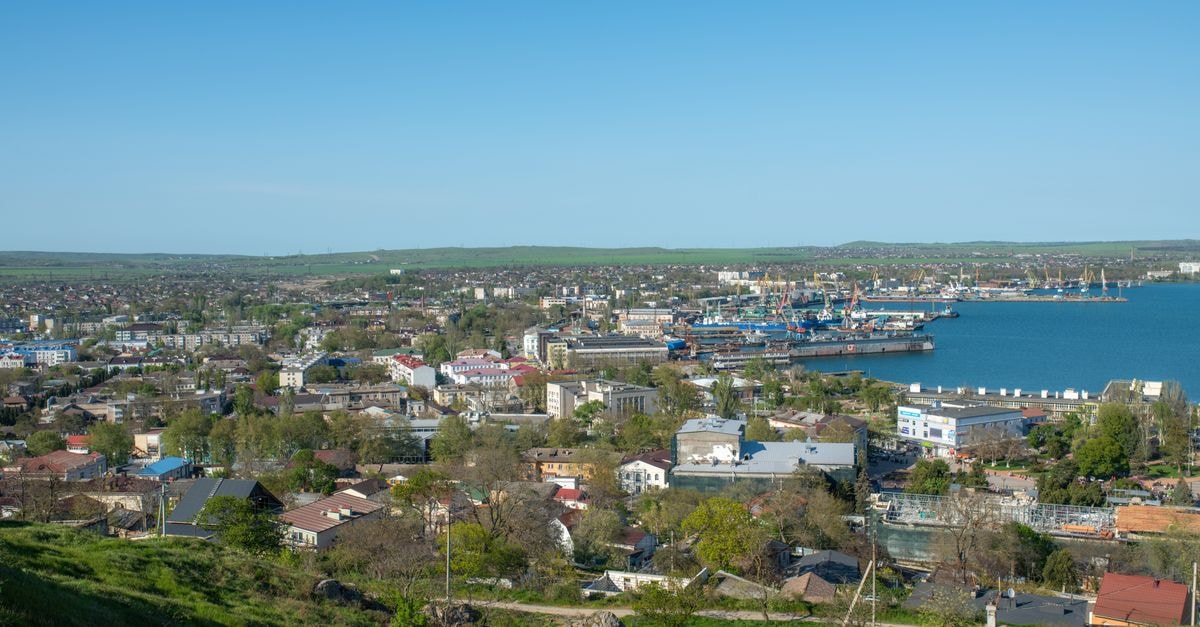
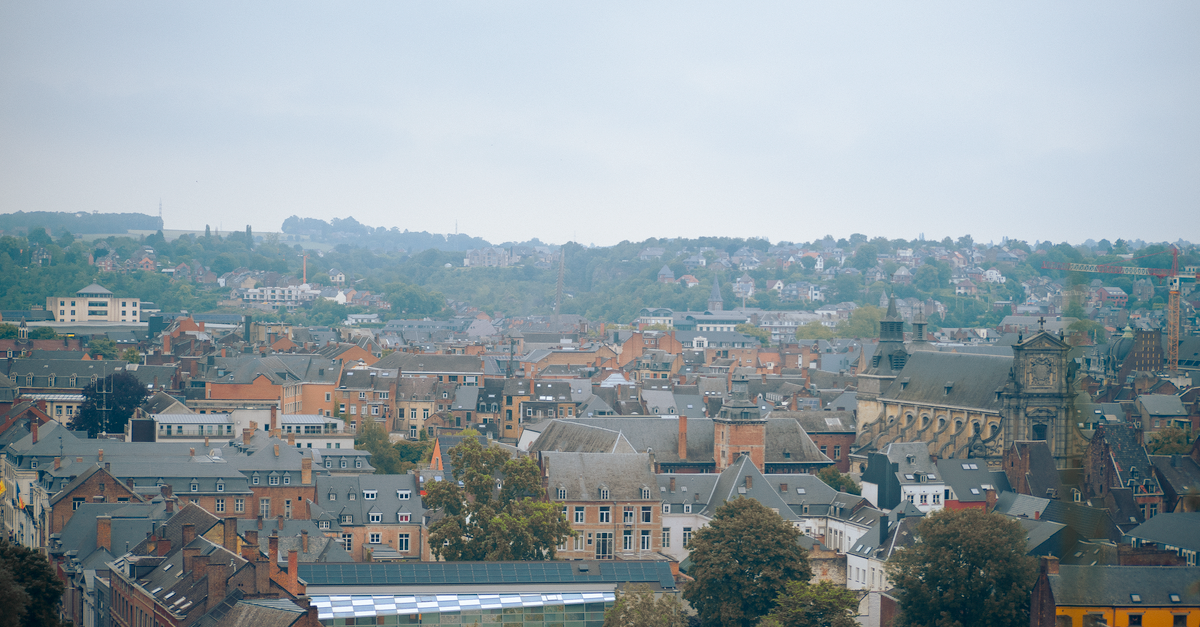
There is a particular rhythm to a northern Dutch city in late summer, when the long evenings soften and the surrounding polders seem to breathe a little slower. Groningen offers that rhythm in abundance: a walkable centre wrapped in water and greenery, a strong student energy, and a quiet sense of space that feels distinctly its own. This guide leans into that slow, wandering temperament, pairing it with what the approved sources actually tell us about the city in the back end of the summer season. Think of it less as a checklist and more as a frame of mind, with a few grounded anchors to help you plan around.

Weather and seasonal context
August in Groningen tends to feel generous rather than dramatic. According to seasonal climate data, the first third of the month brings highs averaging around 21 degrees, while the final third eases slightly to highs of about 20, suggesting a soft cooling trend as the weeks move on. The weather is generally described as warm and pleasant, with the occasional shower interrupting an otherwise cheerful stretch. That combination — mild warmth with intermittent rain — is the kind of pattern that rewards a flexible plan and a willingness to duck into a courtyard, a café or a museum when the clouds thicken.
Rather than packing every day with back-to-back outdoor commitments, it can be worth pacing the late-summer visit around the mood of the sky. A morning canal-side walk, an afternoon indoors when a shower rolls through, and an evening back outside as the light lingers is a very natural shape for an August day here. Locals and visitors alike are described as gravitating toward outdoor activities during this period, which means terraces and parks are lively without ever feeling overwhelming. A light layer and a compact umbrella are arguably the two most useful items in your bag, and you will find yourself grateful for both without either one defining the trip.
Getting around
Groningen is one of those Dutch cities where the default mode of transport is informal and self-directed. The city's own summer positioning invites visitors to step onto a bike and let themselves be surprised by a different side of Groningen, beyond the bustling centre. That is a particularly natural fit for August: the distances are short, the streets are flat, and the surrounding landscape — referenced evocatively in local promotional language as feet planted in the clay of the vast polders — is close enough that even a short ride pushes you into open country very quickly.
For travellers arriving by air, train connections are notably convenient: the trains are located in the same building as the airport, directly below the main terminal, which simplifies the first and last leg of the journey. From the main station onward, much of the centre is comfortably walkable, and cycling fills in the gaps where walking feels a little far. The general framing from Visit Groningen is that there is more to the city than just the bustling centre, and a bike is presented as the most organic way to discover those quieter pockets for yourself.
It helps to think of transport here less as a series of routes to memorise and more as a permission slip. The city does not need a strict itinerary; it rewards the kind of traveller who is happy to wander down a side street somewhere, lose the map for an hour, and trust that something interesting will turn up around the next corner. In late summer, with mild evenings and relatively flat terrain, that approach is particularly easy on the body and the mood.
Attractions and planning
The cultural anchors of Groningen tend to reward unhurried visits rather than rushed ones. The Groninger Museum, for instance, is described in local positioning as extrovert and multicoloured, with a multifaceted collection spanning art and antiquities and a programme of innovative exhibitions of international stature. That description suggests a museum designed to surprise — a place where the building itself is part of the experience, and where a single visit can easily stretch across several hours if you let it.
For a quieter counterpoint, the University Museum has operated since 1934 as a scientific museum in the academic heart of the city. Where the Groninger Museum offers a bold contemporary profile, the University Museum offers a more intimate, research-led atmosphere that suits travellers interested in the long arc of Dutch academic life. Visiting both in the same trip is straightforward given the city's compact centre, and pairing them creates a nice balance between contemporary spectacle and reflective depth.
Beyond these anchors, the city's identity leans heavily on the quality of its wandering. Local promotional language is unusually frank about this: nothing tops Groningen quite like being there — whether with your feet in the clay of the vast polders or, just as often, in a side street somewhere in the city itself. That dual image, the openness of the surrounding landscape and the intimacy of the centre, is essentially the city's travelling invitation. A thoughtful August plan might look less like a schedule and more like a set of loose intentions: the Groninger Museum for a long afternoon, the University Museum for a quieter morning, a bike ride out toward the polders when the weather is on your side, and plenty of unstructured time for the side streets in between.
A note on pace and expectations
Late-summer Groningen is a city that responds best to travellers who arrive without a hard agenda. The weather is generally warm and pleasant but punctuated by showers, the centre is busy but not overwhelming, and the surrounding countryside is right there when you need it. That combination rewards the simple pleasures: a slow coffee, a long walk, a bike ride that ends somewhere you didn't quite expect. If you build in a little slack, both the city and the season tend to meet you in the middle.
Practical reminder
Travelling conditions in Groningen can shift throughout the season, and any specific timing, ticket detail or transport arrangement should be confirmed through official channels before you travel. Weather patterns described above reflect long-term seasonal norms rather than a daily forecast, and individual days may diverge. Treat this guide as a frame for your planning rather than a fixed script, and check current information closer to your departure date.
Share this article
TOOLS FOR THIS PLAN
Make the Groningen plan measurable
Choose a tool only when it answers the next question in your trip. Your values stay in the browser, and each tool offers a route back to this planning context.