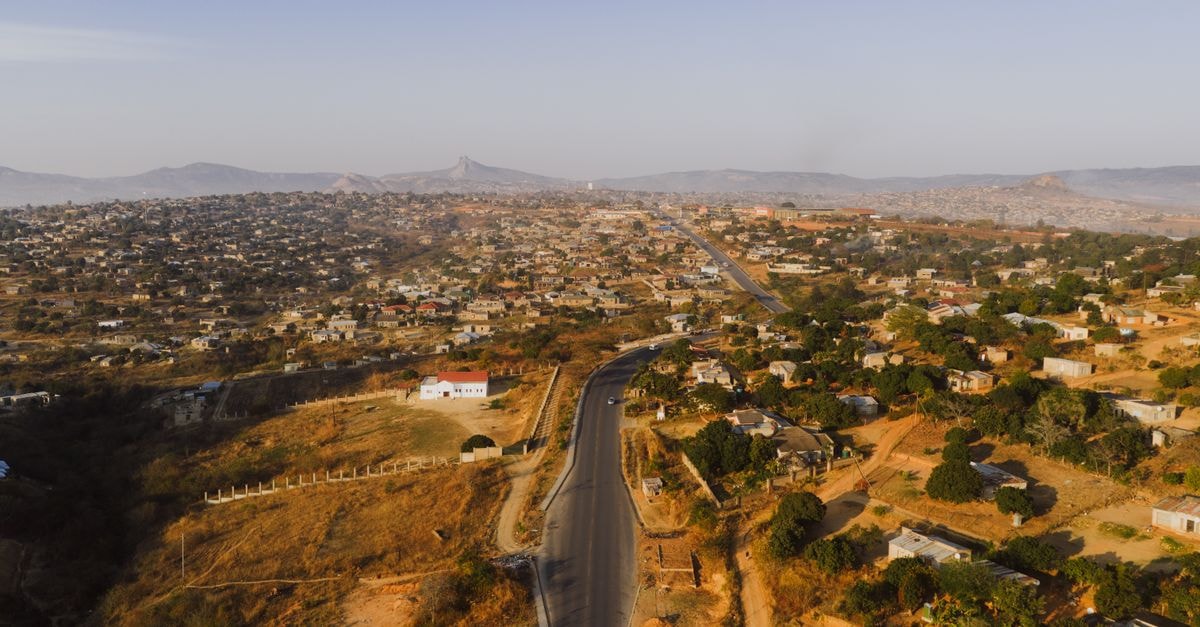
A capital that doubles as a destination

The same international outlook that shapes the arts also shows up in travel logistics. Dakar is often the first stop for travelers exploring French-speaking West Africa, in large part because it has good flight connections with Western Europe. That practical advantage means the city tends to be a natural arrival point, and planning a couple of full days here, rather than rushing straight through, is a common approach.
Weather and seasonal context
Dakar's position on the Atlantic coast gives it a coastal feel, and the rhythm of the year is shaped more by shifts between a drier stretch and a wetter stretch than by sharp temperature swings. Daytime readings tend to sit in a warm range year-round, and the Atlantic breeze keeps evenings comfortable. Mornings can feel gentle, while afternoons are the part of the day when the sun is most insistent, so pacing outdoor plans earlier in the day and saving museums or shaded cafés for later tends to feel natural.
Because Dakar functions as a regional hub, its weather is often one of the first things travelers check before piecing together a longer itinerary. The city's coastal climate means humidity is part of the picture even when temperatures are moderate, and light layers, sun protection, and a refillable water bottle are sensible companions. None of this requires a specific calendar date to be useful; it is the kind of background context that simply helps a visitor set expectations before they land.
Getting around
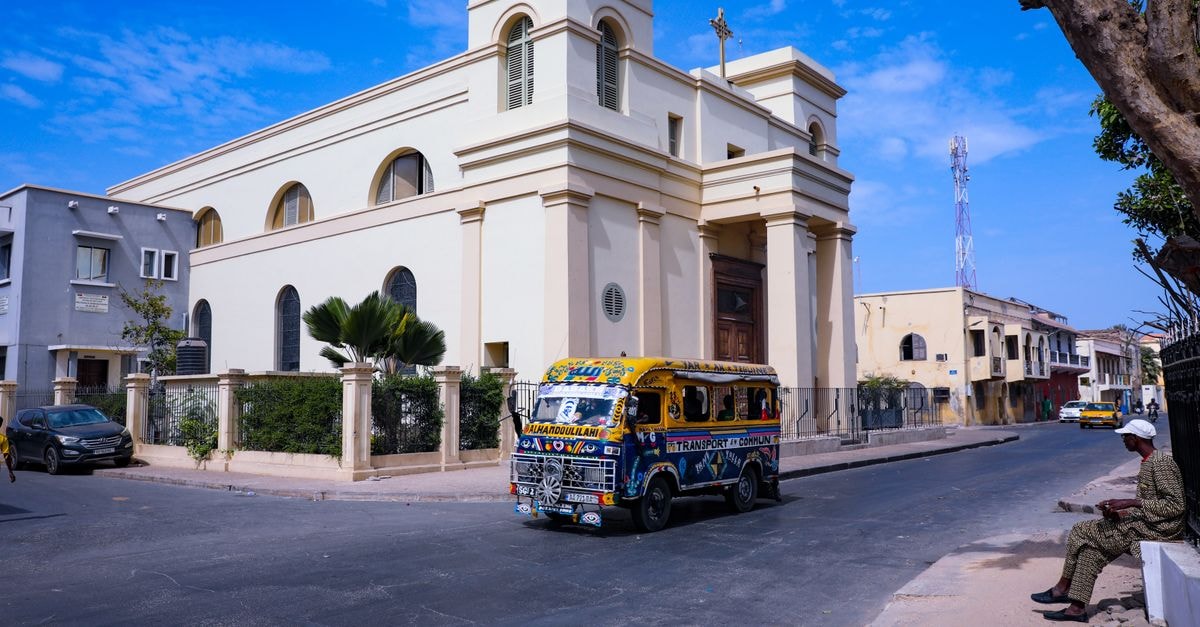
For travelers, that translates into a few practical considerations. The BRT corridor gives a clean, dedicated option for moving between central Dakar and Guédiawaye without having to negotiate regular traffic, and it is a useful reference point when deciding where to base yourself. Many visitors still rely on taxis, ride-hailing apps, and shared minibus-style transport to fill in the gaps between the BRT route and the neighborhoods, markets, and coastal points they want to reach, so combining the BRT with shorter local rides tends to cover most needs.
Attractions and planning
Treating IFAN as a slow anchor for at least one half-day tends to suit the way most travelers like to plan. The plateau is walkable, the museum gives a structured way into Senegalese and West African art history, and its position near the center means visitors are not committing to a long cross-town trip just to spend a couple of hours inside.
Putting it together
A practical Dakar rhythm often looks like this: arrive, let the coastal air settle in, and use the BRT or short rides to get oriented. Spend one block of time at the Musée Théodore Monod d'Art africain on the plateau, then leave room for the kind of unplanned wandering that tends to surface interesting music, food, and conversation in the surrounding streets. Giving the city real time, rather than treating it as a transit pause, is the move that tends to pay off.
A note on accuracy
Travel conditions can change, and details such as museum opening hours, BRT routes and schedules, and any on-the-ground logistics are worth confirming through official channels and the relevant transit or cultural institutions before departure. Treat this guide as a starting frame, not a final checklist.
Share this article
TOOLS FOR THIS PLAN
Make the Dakar plan measurable
Choose a tool only when it answers the next question in your trip. Your values stay in the browser, and each tool offers a route back to this planning context.