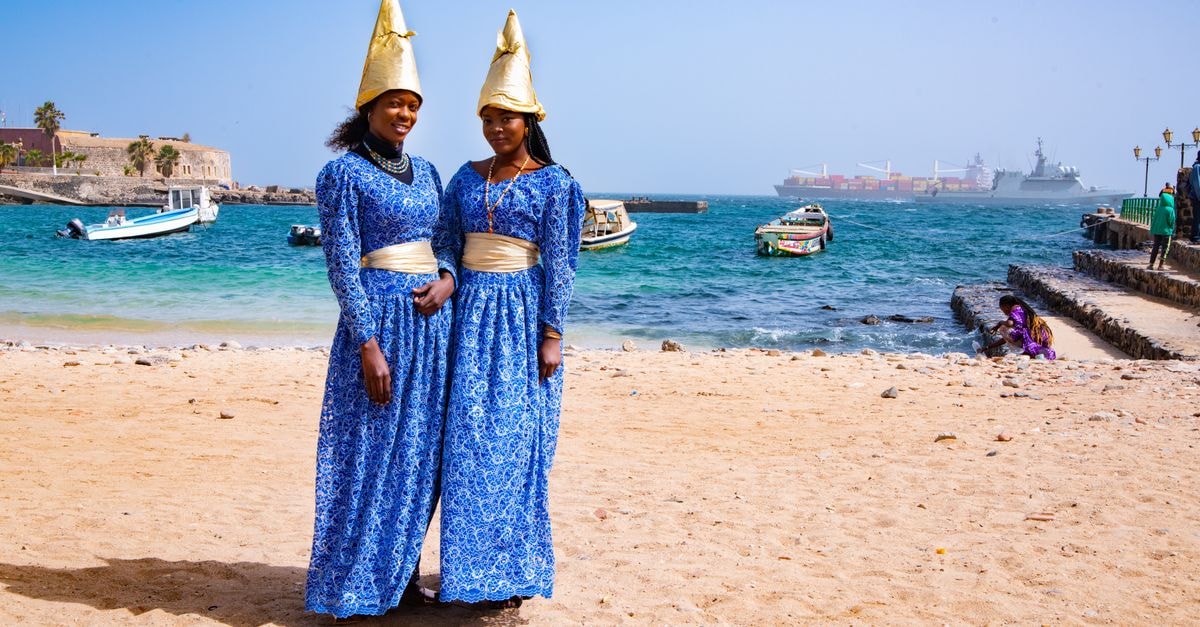
A first look at Kaolack

Kaolack lands on the senses before it lands on a map. The first thing most visitors register is the smell of salt and diesel drifting from the port area, the kind of working harbor scent that tells you immediately this is a trade city rather than a polished resort stop. Rust-streaked boats unload peanuts that will become part of the city's famous groundnut oil production, and that peanut identity is woven into everything from the riverside activity to the rhythm of the streets. It feels less like a postcard Senegal and more like the everyday version, the kind of place where the economy is visible and the pace is set by cargo rather than tour buses.
For travelers who like cities with a clear reason to exist, Kaolack has that in spades. It is not flashy, and that is part of the appeal. You come here to read the country through its markets, its river traffic, and its people, and to do it without burning through your budget. The guide below focuses on two things the evidence actually supports: the kind of weather you are stepping into, and how to move through the city once you arrive.
Weather and seasonal context
The most useful thing to know about Kaolack's climate before you arrive is that, for most of the year, the weather remains exceptionally dry. That dryness shapes the city in subtle ways. Dust hangs in the air more easily than fog does, laundry dries fast on rooftops, and the riverside workdays around the peanut barges keep rolling without much rain interruption for long stretches. The salt-and-peanut character that hits you when you walk near the port is partly a product of this arid rhythm: the boats unload, the oil presses run, and the air carries that warm, dry, slightly briny tang.
Because the climate leans dry for most of the year, packing is straightforward. Lightweight, breathable clothing is the practical default, and a light layer for cooler evenings is usually enough rather than a heavy coat. Sun protection matters more than rain protection across much of the year, and the flat light of a dry sky can be intense during midday. Hydration is one of those small habits that pays off quickly here; carrying water as you walk through the market lanes and down to the river port makes the day feel easier.
What visitors tend to remember about Kaolack's weather is not a single dramatic condition but the consistency of it. You wake up to a pale, dry sky, you move through a warm day, and the harbor keeps doing its work. Travelers who like structure in their days tend to appreciate that predictability; the city's working pace aligns with the climate rather than fighting it.
Getting around and staying on budget
Kaolack is generally not considered an expensive destination when compared to other parts of the world, which means your day-to-day spending can stay modest without much effort. Local eateries serve filling meals for roughly €2 to €4, which keeps food one of the easiest parts of the trip to plan around. That price range, drawn from the available evidence, is enough to cover a proper plate at a neighborhood spot rather than just a snack, which matters in a city where market-walking and port-walking both work up an appetite.
Getting into and around the city is straightforward for travelers who like to figure things out on the ground. A standard Wikivoyage-style overview of Kaolack covers the basics of how to arrive and how to orient yourself once you are in town, and that kind of practical, route-first information tends to be the most useful starting point. Rather than overcomplicating logistics, it helps to arrive with a rough sense of where the main transport links land you, then ask locally for the short connections that do not always show up in print.
A few practical notes before you go
Finally, remember that factual travel conditions, including prices, transport options, and local services, can change over time, and official channels or updated local sources should always be checked before departure. What this guide offers is a grounded starting picture: a dry, working, peanut-and-salt city with low everyday costs and a pace that rewards unhurried walking. The rest is yours to discover on the ground.
Verification note
This guide is built only on the evidence available in its source ledger. Where a detail would normally need a current check (specific transport timetables, exact menu items at a given eatery, or live operating status of services), that detail has been left out rather than inferred. Readers should confirm time-sensitive information through official or up-to-date local sources before traveling.
Share this article
TOOLS FOR THIS PLAN
Make the Kaolack plan measurable
Choose a tool only when it answers the next question in your trip. Your values stay in the browser, and each tool offers a route back to this planning context.