A quiet corner of Korea's west coast

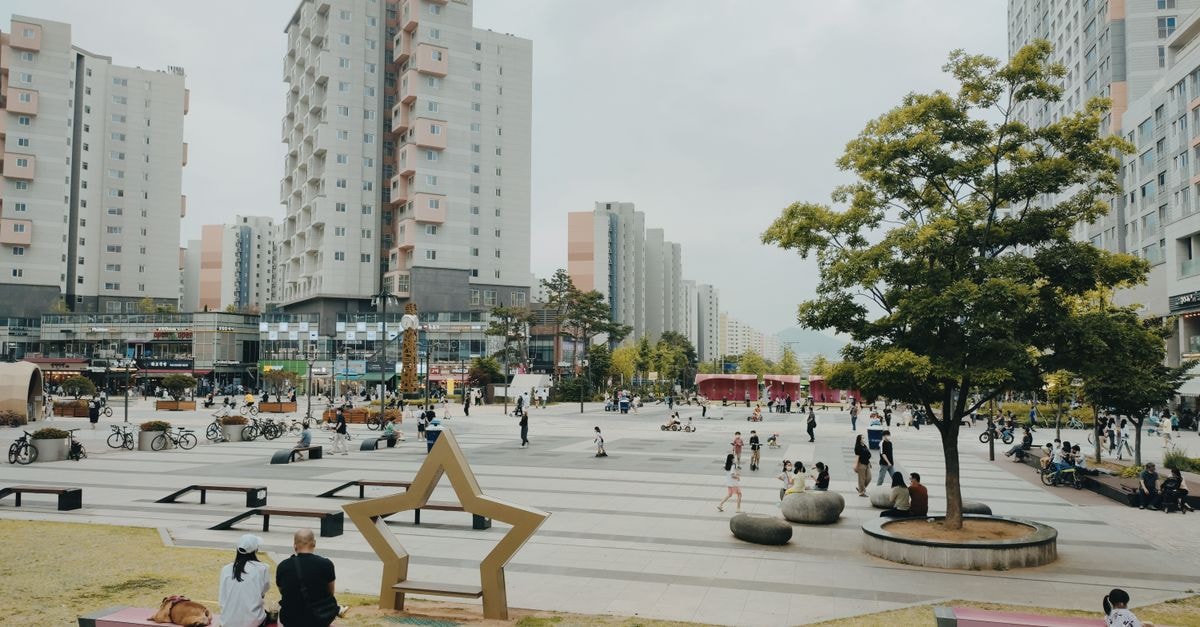
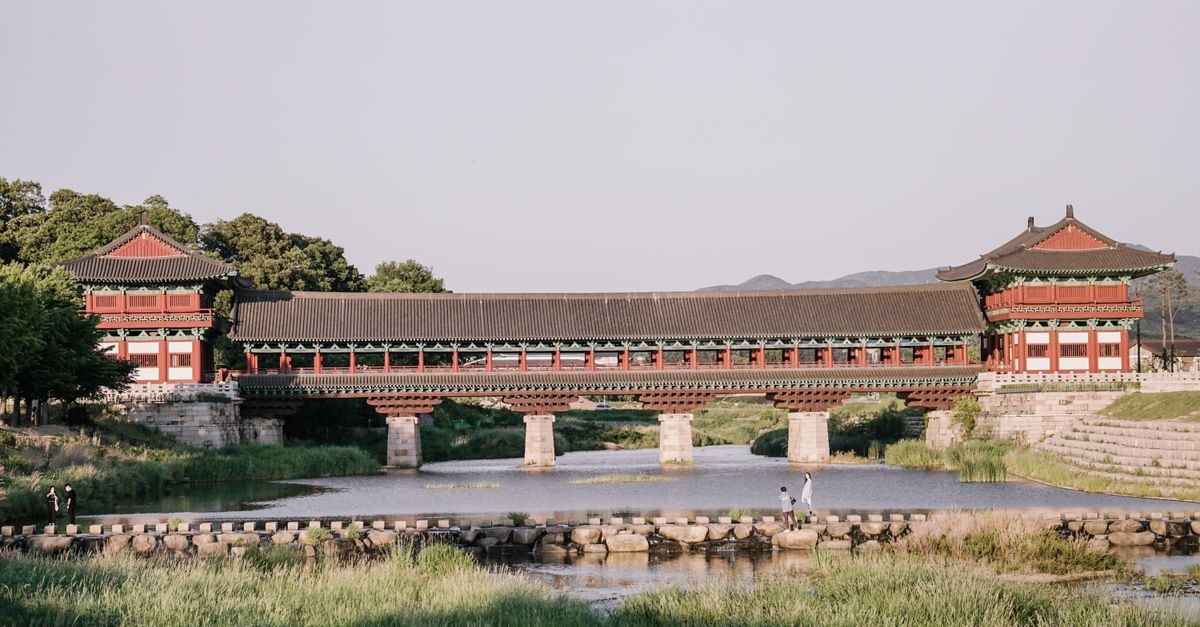
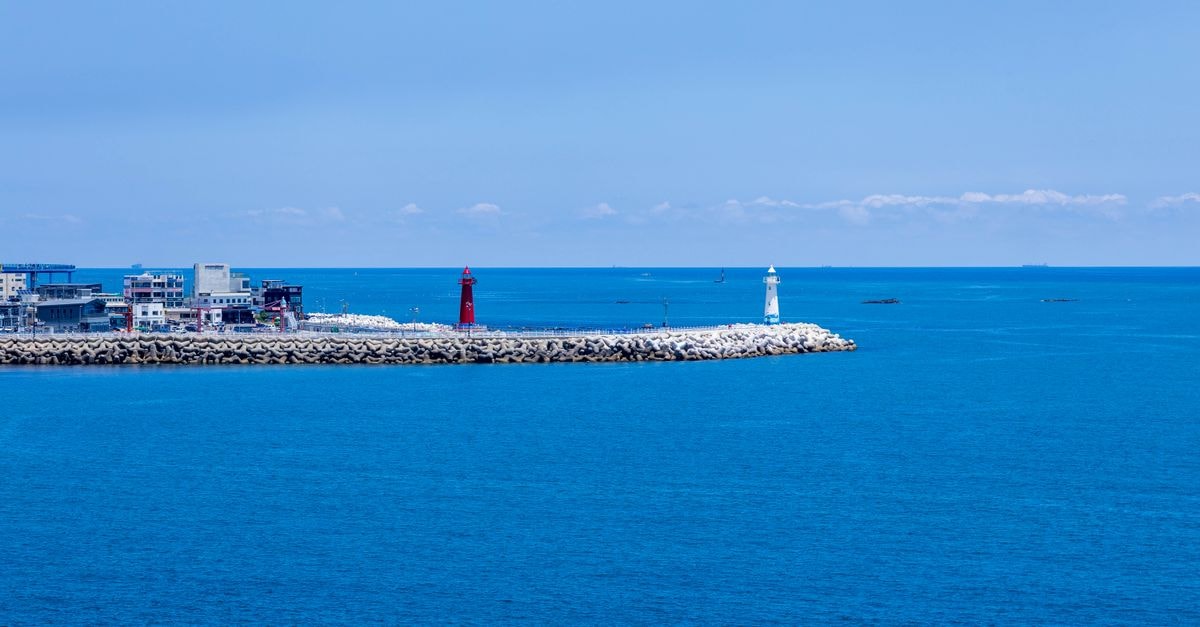
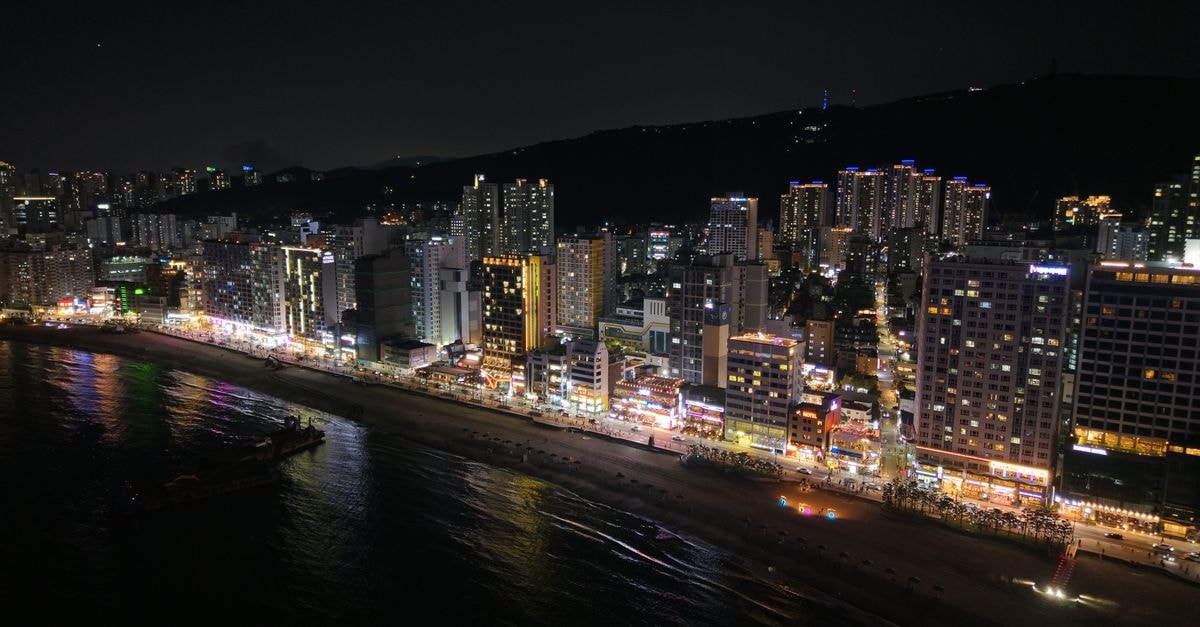
Gunsan sits along South Korea's western shoreline, and it has the relaxed, slightly weathered personality of a port city that has lived through several chapters of history. Walking around, you get the feeling of a place that is unhurried on the surface but quietly storied underneath, where former colonial-era buildings sit beside modern waterfront parks and small neighborhood temples. For travelers who like a slower pace and a bit of texture, Gunsan rewards a visit that is more about wandering than ticking boxes.
This guide gathers the practical pieces a first-time visitor usually wants to know: the kind of weather to expect, how the airport connects to the city, and the sort of attractions that give Gunsan its character.
Weather and seasonal context
Weather is a useful starting point for any Gunsan trip, because the climate shapes what a day here actually feels like. General climate pages describe Gunsan in terms of average temperatures, rainfall, and sunshine through the year, and they invite visitors to pick a month based on those patterns rather than chasing a single "best" window. That framing is helpful: the city does not have one dominant season for travel, but the conditions shift meaningfully across the calendar.
One thing worth knowing is that some months tend to be wetter and warmer than others. Guides that look at specific months note that, for visitors who prefer dry days with milder temperatures, those parts of the year can feel less ideal, and they tend to point readers toward Gunsan's broader climate page for a fuller overview of the year. The practical takeaway is simple: if your schedule is fixed, pack and plan with humidity and rain in mind, and build in flexibility for slower afternoons. If your schedule is flexible, looking at the monthly averages before you book is the easiest way to align your trip with the kind of weather you enjoy.
Getting around
Gunsan has its own small airport, which keeps arrivals refreshingly simple. According to Gunsan Airport's own description, the terminal is compact, and ground transportation options are easy to find right after you exit baggage claim. That matters more than it sounds, because a smaller terminal usually means a quicker transition from plane to sidewalk.
Travelers coming from Gunsan City itself should expect to use ground transport to reach the airport. Flight options are not applicable on that route, since the airport is itself the destination. In practice, this means the airport is best thought of as a quick hop rather than a complex journey: you arrive, you walk out, and you pick your onward option.
Attractions and planning
Gunsan's attractions have a distinct flavor, and the strongest of them lean into history, scenery, and a slightly offbeat charm.
One of the most unusual is Dongguksa Temple, noted as the only surviving Japanese-style Buddhist temple in South Korea. That single detail makes it stand apart from the country's many Korean-style Buddhist sites. For travelers interested in architecture and religious history, it offers something you genuinely cannot see elsewhere in the country.
If you prefer something with more character, Gyeongamdong Railroad Town is often described as a retro wonderland. The area is full of nostalgia, with a quirky atmosphere that comes from its railway heritage. It is the kind of place that rewards a slow stroll, camera in hand, rather than a strict itinerary.
Wider context around the city's history comes through in places like Gunsan Park itself. The park's name reflects a layered past: during the period when Korea was a colony of Japan under the Japan–Korea Treaty of 1910 and the earlier foreign concession laws were abolished, the park's original "World Country" name was dropped and it became known simply as Gunsan Park. That kind of small historical detail is part of what makes walking through the city feel like reading a layered story rather than visiting a single era.
For broader trip planning, regional tourism bodies list Gunsan City attractions alongside neighboring areas like Gimje City and Buan-gun, and the information is drawn from the Gunsan City Cultural Tourism website. This is useful context: if you want to look beyond the city proper for additional sights, the regional cultural tourism pages are the natural place to start.
Planning notes
A few practical reminders that apply to any visit:
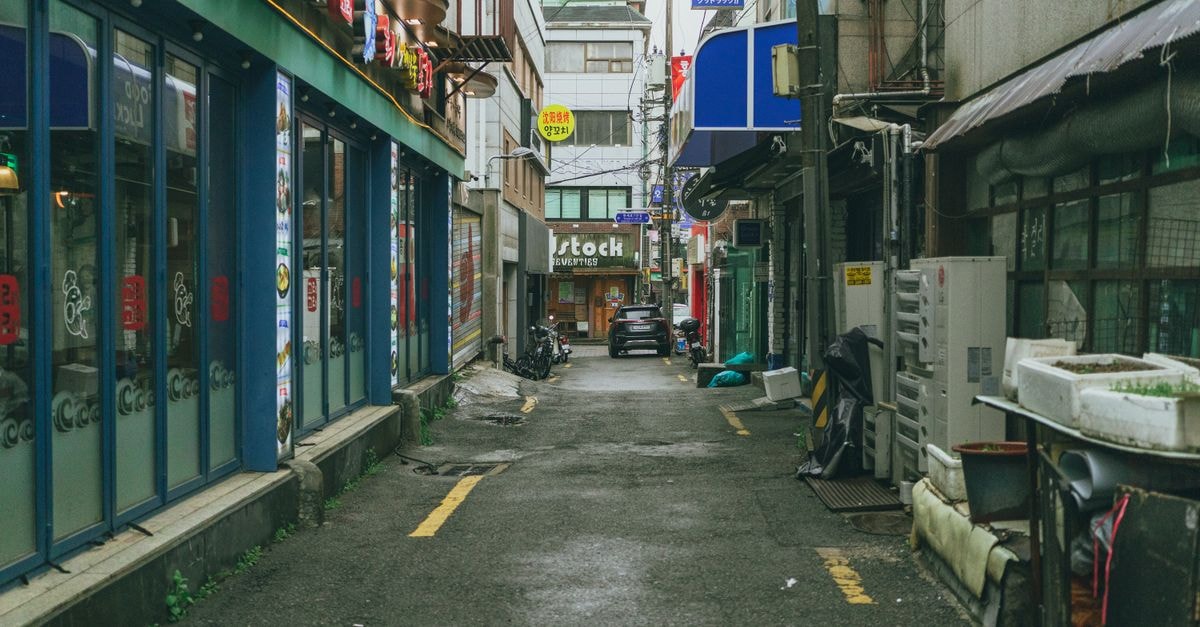
- Weather can vary, so checking a current forecast before packing is always wise, especially for footwear if you plan to walk around the older streets near the old downtown. - The airport is small and straightforward, but having a rough idea of how you plan to reach your accommodation helps you move quickly once you land. - Many of Gunsan's highlights are outdoor or semi-outdoor spaces, so a relaxed pace with a few anchor attractions tends to suit the city better than a packed schedule.
Travel conditions can change over time, and details such as opening hours, transport options, and on-the-ground access can shift between visits. Before your trip, it is worth checking official channels for the most current information, particularly for transport between the airport and the city and for any attraction-specific notices.
Share this article
TOOLS FOR THIS PLAN
Make the Gunsan plan measurable
Choose a tool only when it answers the next question in your trip. Your values stay in the browser, and each tool offers a route back to this planning context.