Welcome to Hafizabad, Punjab

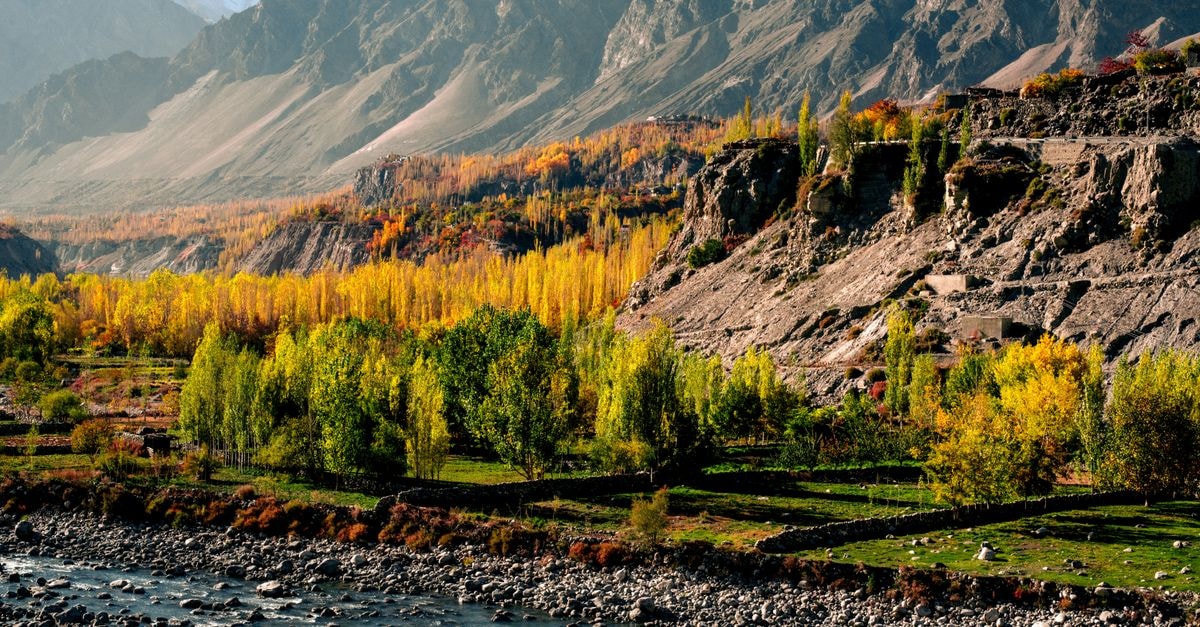
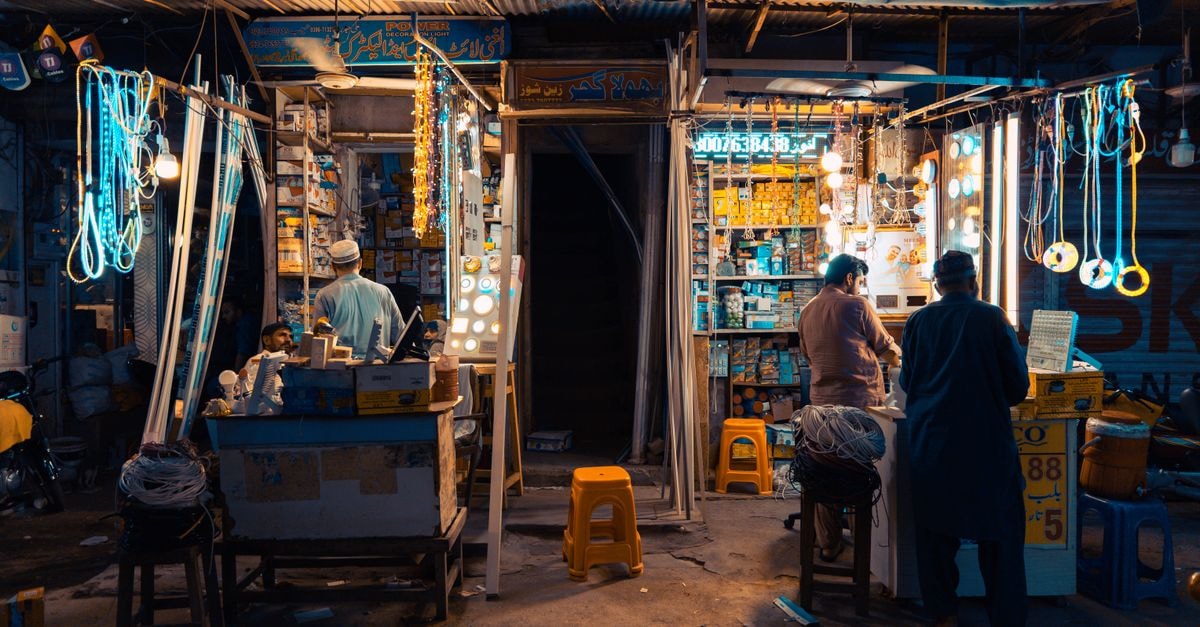
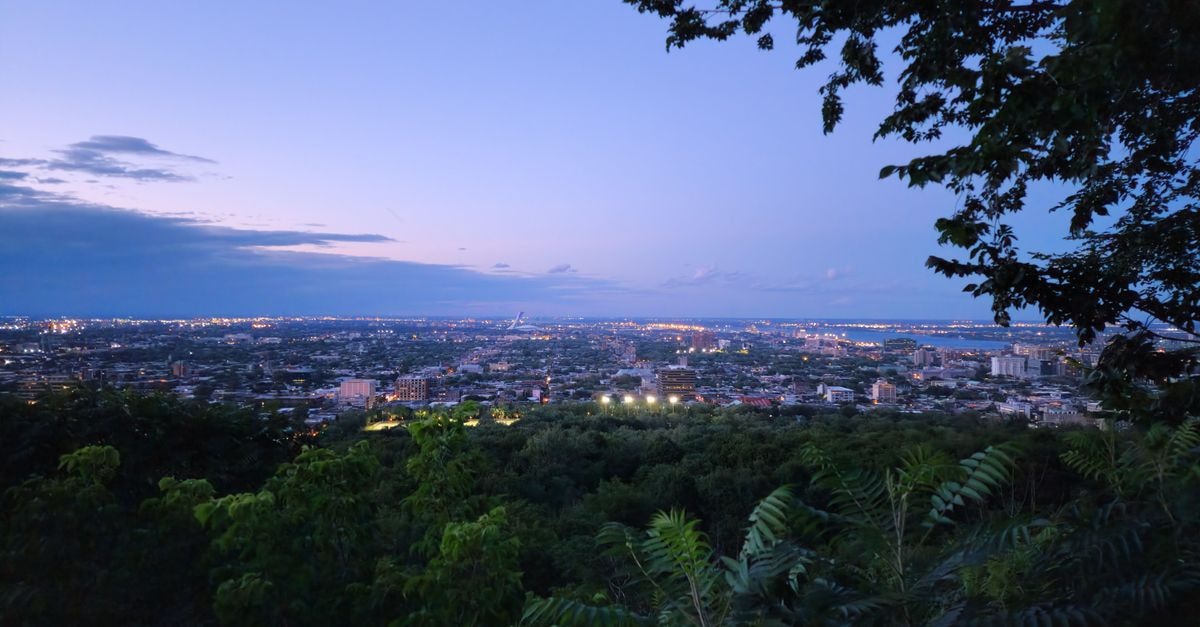
Hafizabad sits in the heart of Punjab, a working city wrapped in sugarcane fields and small-town bustle rather than a polished tourist stage. Visitors tend to arrive with a purpose, whether that is reconnecting with family, transiting onward into central Punjab, or simply wanting a quieter window into the province outside Lahore or Gujranwala. That honesty is part of its charm. The streets move at their own rhythm, motorcycle rickshaws weave through the traffic, and the day ends with the clatter of tea stalls rather than a curated evening scene.
This guide keeps things grounded. The emphasis is on the practicalities that actually shape a trip here: how to arrive by train and finish the journey by road, how to handle a chingchi ride without overpaying, and how the wider Pakistani food culture shapes what you will be served. Weather is mentioned as gentle context rather than a fixed forecast, because conditions shift across the year and only a current check will tell you what to pack for the week you travel.
Weather and seasonal context
Hafizabad sits in a part of Punjab where summer heat, monsoon showers, and cooler winter mornings each put their own stamp on the day. Rather than promise specific temperatures, it helps to think in seasons: warm months can feel long and slow-paced, with shade and water turning into the day's quiet priorities, while cooler months make walking between tea stalls and markets far easier.
Because conditions vary, the most useful habit is simply to verify the forecast close to your departure. Treat any guide page as background, and cross-check a live weather source before you finalize your clothing and water plans.
For money matters, the same habit applies. Carry some Pakistani rupees in small notes for taxis, chingchi rides, and roadside stalls, and keep a backup card or a currency app handy for anything larger. Verify the live exchange rate before you convert, and double-check the final price, any exclusions, and the cancellation terms before paying deposits, because those details are rarely negotiable once a booking is confirmed.
Getting around
The first thing to know about reaching Hafizabad by rail is that the city itself is not on a main junction. Travelers typically use Gujranwala Junction or Lala Musa Junction and then transfer by road for the final leg, which keeps the long-haul portion comfortable and economical on the train while leaving a shorter, more flexible hop to the city. That transfer does take a little planning, because onward taxis and minibuses do not run on a fixed timetable, and you will want to step off the platform knowing roughly which mode will carry you the rest of the way.
For a city like this, where most distances are short, a pre-built route plan is genuinely useful rather than optional. Decade-tested itineraries from Rome2Rio for Hafizabad are built from travelers telling the platform their favorite ways to get from A to B, and they can be personalized to take you from A to B to C once you know your own priorities, whether that is the shortest path in, the cheapest path in, or a path that doubles as a gentle afternoon of watching the Punjab countryside roll past.
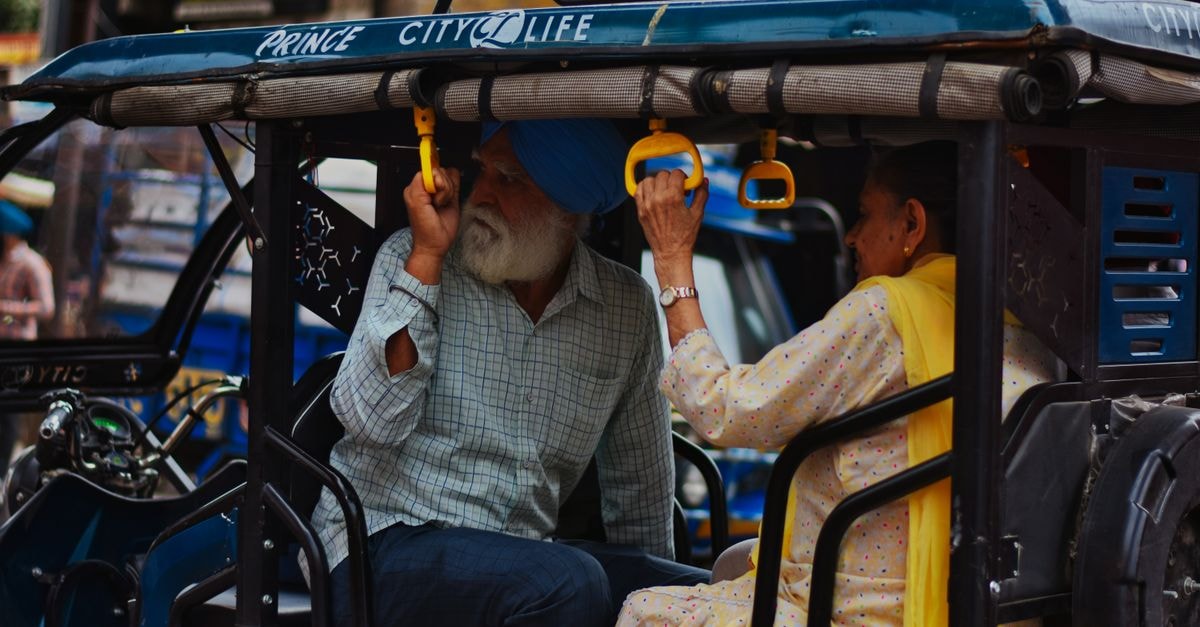
Inside the city, motorcycle rickshaws, locally called chingchi, are the workhorse of short-distance travel. They are smaller and more agile than a standard auto-rickshaw, slip through tighter lanes, and are popular for short distances, which makes them the natural choice when a market stall, a relative's front door, or a transit point is only a few minutes away. The honest local advice still holds: always agree on the fare before starting your journey, because rates are usually settled by conversation rather than by meter, and a quick agreement up front keeps the ride friendly.
If you prefer a quieter ride or have luggage that does not sit comfortably on a chingchi, a regular taxi or a rideshare option arranged through your guesthouse is worth the extra cost. Travelers who want to keep moving at their own pace, with stops for chai or a stretch of the legs along the canal roads, may also consider hiring a car for half a day, which is often the easiest way to combine several visits without repeating the fare conversation.
Food and local context
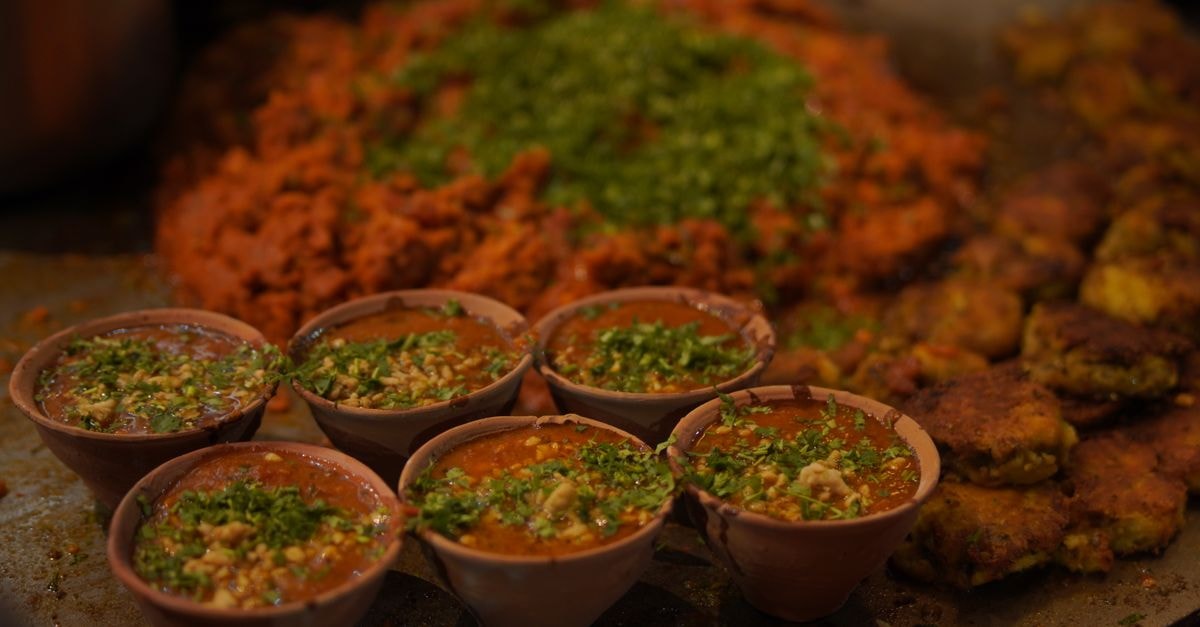
Hafizabad sits firmly inside the wider Pakistani food culture, and that context travels with you into every meal. Pakistani cuisine has its own confident identity on the plate, distinct from the food traditions of neighboring countries, and visitors are most often welcomed through a dining table rather than a tour desk. Dishes arrive in waves, often with bread, rice, pickles, and tea, and the rhythm of eating is unhurried.
Among the dishes that keep showing up across the country, chicken karahi is a beloved staple that embodies the vibrant flavors of Pakistani cooking. It is cooked in a heavy pan, tomato-rich, glossy with oil, and finished with green chilies and fresh coriander, and it tends to be served straight from the karahi to the table with naan for tearing and dipping. Knowing the name in advance is genuinely useful, because it lets you recognize it on menus, ask for it confidently, and pace the rest of the meal around a dish that is rich and meant to be shared.
A few practical habits make food in Hafizabad easier to enjoy. Eat where locals are queuing, because turnover is usually a good sign of freshness. Pair heavier meat dishes with a simple daal, a yogurt raita, or a plate of salad to balance the meal, and treat the chai that arrives at the end as a pause rather than a finale. If you are invited to eat with a family, the polite move is to accept the first serving and follow your host's lead on seconds rather than filling your own plate.
Choosing what fits your trip
The shape of a good Hafizabad trip depends less on ticking off sights and more on how you like to move. Travelers who prefer to combine the longer rail journey with a short, scenic road transfer will find the Gujranwala or Lala Musa approach a natural fit, while those who want fewer steps between platform and guesthouse may prefer a door-to-door road option that skips the junction transfer altogether. Once in the city, chingchi rides suit anyone comfortable agreeing on a fare in conversation and weaving through busy streets, but a hired car for half a day is worth the extra outlay for travelers with luggage, older knees, or simply a preference for a quieter ride. On the food side, leaning into the wider Pakistani dining culture, sharing karahi-style dishes with naan and yogurt, and following the local queue tends to reward travelers who like meals to feel generous and unhurried rather than quick and curated.
Final verification note
Exchange rates, train and road schedules, weather, and fares change often, so confirm the details that matter for your specific dates through official rail and transport channels, a live weather service, and your guesthouse before departure. Travel conditions on the ground can shift quickly, and a five-minute check before you leave is usually enough to keep the rest of the trip smooth.
Prices, opening hours, schedules, reservation rules, and local conditions can change; verify them through official channels before departure.
Share this article
TOOLS FOR THIS PLAN
Make the Hafizabad plan measurable
Choose a tool only when it answers the next question in your trip. Your values stay in the browser, and each tool offers a route back to this planning context.