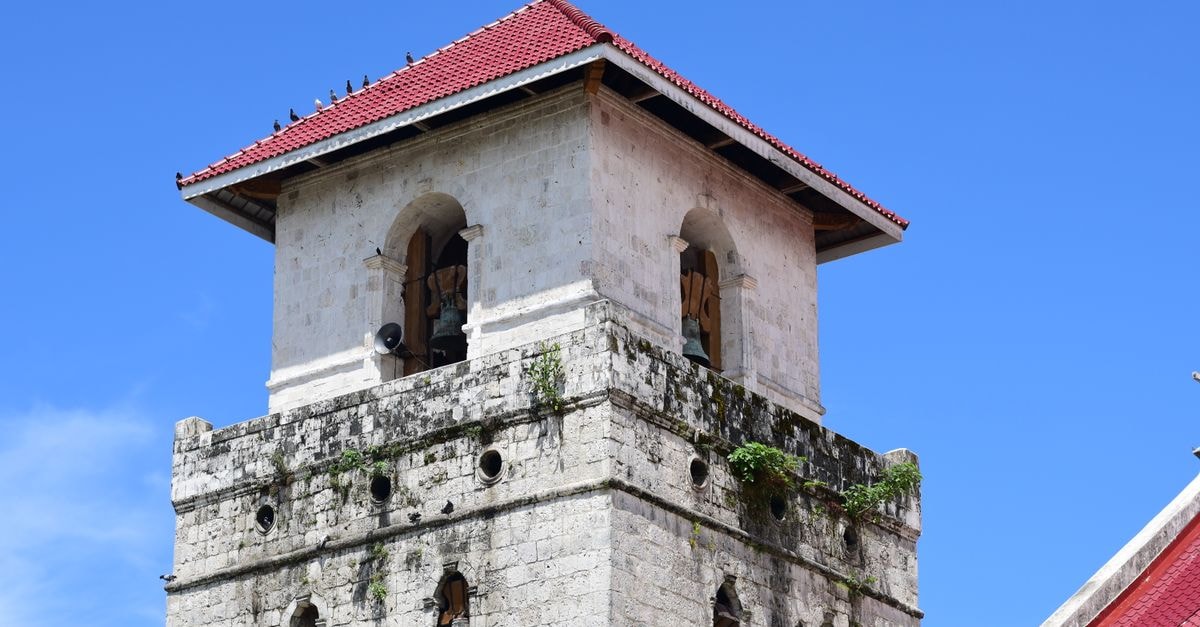
Skardu at a glance

Skardu sits high in the Gilgit-Baltistan region of northern Pakistan, and the city has long been recognized as a key stop for people traveling onward to the surrounding high mountains. It also functions as an important center for trade and travel in this part of the country, the kind of place where logistics, hospitality and mountain culture converge. That dual identity, a working regional hub and a launching point for high-altitude journeys, gives the town a steady, purposeful energy rather than a polished resort feel.
For travelers, the appeal is layered. You come for the dramatic setting and the sense of altitude, but you stay because the city itself has stories to tell, especially for anyone curious about the layers of history beneath modern Pakistan. The two themes that this guide leans on are the long sweep of mountain-town history visible in the landscape, and the wider Pakistani food culture that visitors will almost certainly encounter while passing through.
Weather and seasonal context
Because the source material does not include specific temperature figures or current conditions for Skardu, this guide keeps the weather discussion evergreen. That actually suits the destination well: Skardu is set at high elevation in the Karakoram-adjacent ranges, so conditions can swing sharply between bright, dry days and chilly nights. Pacing the day with layers in mind, rather than chasing a single weather forecast, is generally a useful habit for any traveler spending time at altitude here.
What the evidence does support is a broader read on the city's character. Skardu is described as a key stop for people traveling to the high mountains, which means that infrastructure, transport connections and traveler services have grown around the rhythms of people passing through on longer journeys. It is also identified as an important center for trade and travel in this area, which suggests a town used to hosting a steady mix of merchants, drivers, mountaineering teams and visitors rather than a purely seasonal crowd.
For travelers who prefer to plan around daylight rather than weather extremes, that steady rhythm can be reassuring. Days tend to be the productive window for movement and sightseeing, while evenings are a natural time to settle into a guesthouse or restaurant and let the body adjust to the altitude. If you are sensitive to cold or to rapid elevation changes, you may want to plan your first day more gently, saving longer outings for once you feel acclimatized.
History etched in stone: the Buddha carving
The carving also tells us something quieter but just as important: it points to a time when Buddhism was common in this area of Gilgit-Baltistan, before Islam arrived and reshaped the religious landscape of the region. Standing in front of the figure, with the mountains behind it, you are looking at a surviving trace of a very different era, one in which travelers, monks and merchants moved through these valleys on routes that connected South Asia, Central Asia and beyond.
For visitors who love context more than checklists, this site rewards a slow visit. Allow time to read about the carving's period and symbolism before you go, so the figure on the rock has a story when you arrive. Travelers with an interest in religious history, Silk Road archaeology or pre-Islamic art of the greater Himalayan and Karakoram region may find this stop especially meaningful. If you are visiting with someone less inclined toward ancient history, framing the visit as a short walk to a remarkable piece of rock art in a dramatic landscape can still make it feel worthwhile rather than academic.
Food and local context
Skardu sits within a much wider Pakistani food culture, and that is the lens this guide uses when talking about what you may encounter on the table. The source material describes Pakistani cuisine as something distinct from what you find in neighboring countries, which is a useful reminder that the kitchen here has its own character, shaped by regional ingredients, spice habits and the rhythm of daily life. The national repertoire includes beloved meat-based preparations such as Chicken Karahi, a dish often described as embodying the vibrant flavors of Pakistani cooking. Travelers passing through Skardu will likely eat in a way that reflects broader Pakistani dining traditions, even if specific local specialties are not documented in the evidence available for this guide.
Because the evidence here is country-scoped rather than city-specific, it is best treated as background for what you may encounter while in Skardu rather than a guarantee of any particular menu item at a particular restaurant. If a specific dish is calling to you, asking locally about where it is prepared well is often the most reliable approach.
Choosing what fits your trip
Two tradeoffs seem worth naming explicitly, because both are supported by the evidence. The first is altitude versus accessibility. Skardu's position as a gateway to the high mountains means that the most dramatic experiences in the region typically involve long days, bumpy roads and significant elevation gain. If you are drawn to that world, the town's role as a trade and travel hub means there is infrastructure to support you. If you would rather stay closer to town, the Buddha rock carving and the surrounding cultural landscape offer a slower, lower-effort way to engage with the destination.
The second is heritage depth versus culinary range. The historical layer here, especially the 7th- or 8th-century Buddhist carving, is genuinely distinctive and rewards travelers who arrive with a little background reading. The food scene, by contrast, is best understood as part of a wider Pakistani tradition rather than as a city-specific specialty, which means curious eaters will find familiar reference points but may need to ask around to discover the most rewarding places to eat in any given visit.
A note before you go
Above all, give yourself a little slack in the schedule. A high-mountain town like Skardu tends to reward travelers who arrive curious, dress in layers and leave room for the unexpected conversation, the slower meal and the detour that no guide can quite promise.
Prices, opening hours, schedules, reservation rules, and local conditions can change; verify them through official channels before departure.
Share this article
TOOLS FOR THIS PLAN
Make the Skardu plan measurable
Choose a tool only when it answers the next question in your trip. Your values stay in the browser, and each tool offers a route back to this planning context.