A First Look at Harbin

Harbin, the capital of Heilongjiang in northeast China, carries a mood all its own. Travel writing about the city often circles back to the same adjectives: striking natural scenery, cultural depth, and a string of experiences you simply cannot replicate elsewhere. That mix is what makes planning a Harbin trip feel less like checking off a box and more like settling into a place with stories.
Most guides that introduce the city frame it as a base for exploring northeast China more broadly, and the cultural layering here is part of the appeal. Understanding why Harbin feels different begins with the twin influences of its geography and its borderland position, both of which shape its architecture, its seasons, and the way meals are put together at the table.
For travelers who like to learn a place through both its landmarks and its kitchens, Harbin offers two natural starting points. The first is the city's collection of attractions. The second is the culinary identity that grew out of its unique position in northeast China.
Attractions and Planning the Visit
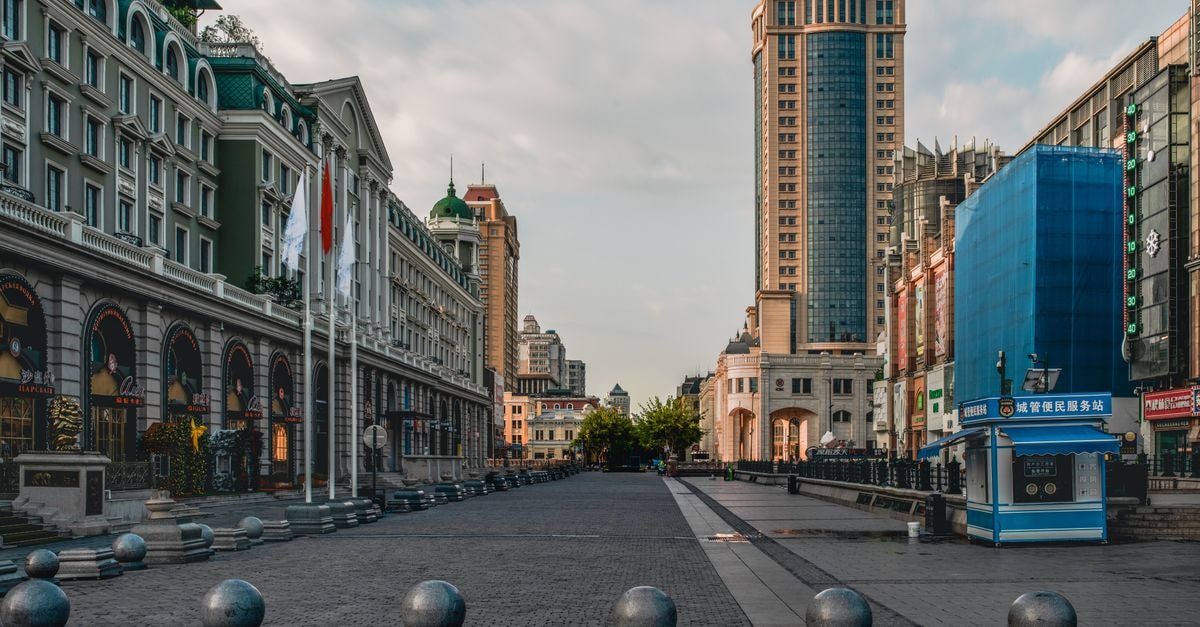
Harbin is often introduced as a destination that pairs natural scenery with cultural landmarks, and any Harbin travel guide that helps you plan a visit will tend to lead with that premise. The point is not to chase a long checklist, but to choose the corners that match your pace.
Travel writers who highlight the city usually describe Harbin as a place where striking scenery and rich cultural heritage sit alongside distinctive seasonal experiences. That last phrase matters: the city is often talked about for its one-of-a-kind winter character, but its parks, riverfront areas, and historical districts give it a year-round identity as well. If you are visiting outside of the cold months, think of the city less as a winter-only destination and more as a destination with a famous winter face.
The most common way to approach the city is through its top must-see attractions, which is how local and regional guides typically organize their suggestions. These roundups tend to fold scenic spots, historical landmarks, and cultural sites into a single list, which doubles as a useful scaffolding for an itinerary. Reading a curated list before you arrive helps you group nearby places together, decide how many full days to spend inside the city, and identify the sites that genuinely interest you rather than trying to see everything.
Harbin is also routinely framed as a gateway for tours of northeast China. That positioning is useful to keep in mind, even if you intend to stay within the city itself. The surrounding province of Heilongjiang has its own draws, and travelers who use Harbin as a base can move outward without needing to rebuild their plans from scratch. For visitors who prefer a more contained trip, however, the urban attractions alone can fill several relaxed days of walking, photography, and museum stops.
When you sit down to plan, it helps to read at least one curated attractions list in full, even if you only intend to visit a few of the entries. The lists themselves are a planning tool: they reveal which sites cluster together, which require more time, and which tend to be quieter on weekdays. Pair that reading with a basic grasp of the city's layout, and the itinerary begins to take care of itself.
A City's Table: How Harbin's Food Came to Be
Harbin's culinary identity is the kind of story a slow traveler can savor before the first meal arrives. The city has its own specialties, and that distinctness comes from its geographical position and its long history. Set at the northern edge of China and shaped by migrations and trade, Harbin developed a kitchen that does not quite match any single regional cuisine in the country.
The most cited explanation for the local flavor profile is a layering of three influences. Local Manchu traditions form the base, with dishes and techniques that predate the city's modern growth. Shandong cuisine arrived with waves of migration from eastern China, bringing its own pantry of noodles, wheat dishes, and savory staples. Russian influence, a legacy of Harbin's borderland exchanges, contributed breads, sausages, pastries, and dairy elements that remain visible on menus across the city. The result is a culinary identity broad enough to be called a regional cuisine in its own right, often described alongside Heilongjiang cuisine as a whole.
For visitors, this means a meal in Harbin is rarely just one thing. You might find hearty wheat-based dishes that echo northern Chinese cooking, alongside richer, bread-forward plates that lean toward European traditions. The crossover is not just historical trivia; it shows up directly on restaurant tables and at casual eateries.
Eating in China: A Wider Frame for Visitors
Stepping back from Harbin specifically, China as a whole is widely described as a country where eating is woven into daily culture. Cuisine is one of the most varied in the world, and dining carries genuine social weight, so travelers who understand a few general rhythms tend to enjoy their meals more fully.
Dining in China has a long historical relationship with ritual and etiquette. Shared dishes, the pacing of a meal, and the ways seats are arranged at a table all tend to follow conventions that visitors may notice in Harbin just as they would in other cities. None of this requires memorization, but a willingness to observe and follow the host's lead goes a long way.
Travel writing about Chinese culture often emphasizes that food is part of the texture of a trip, not a separate activity. The same applies in Harbin, where the local cuisine intersects with broader Chinese food culture. Treat meals as part of understanding the city rather than as refueling stops, and the trip tends to feel richer.
Putting the Two Threads Together
The attractions and the table are not parallel tracks in Harbin; they reflect the same forces. A city shaped by migration, by geography, and by contact with neighboring cultures will show those forces in both its landmarks and its kitchens. Travelers who notice the layering tend to come away with a more textured sense of the place.
A comfortable amount of time to spend in Harbin is enough to walk through a few must-see attractions at an unhurried pace and to settle into a handful of meals across different styles. Reading a curated attractions list ahead of time helps anchor the sightseeing side; approaching the food scene with curiosity about why the dishes look the way they do helps anchor the culinary side.
In short, Harbin rewards travelers who treat it as a city with a story rather than a series of photo stops. The attractions give you the view, and the food gives you the texture, and together they sketch a place whose identity has been shaped by its position on the map for a very long time.
A Final Note Before You Go
Factual conditions around travel can shift, including opening hours, ticketing, and service availability. Before your visit, check current information through official tourism channels and up-to-date resources so that the details of your trip match the city as it is when you arrive.
Prices, opening hours, schedules, reservation rules, and local conditions can change; verify them through official channels before departure.
Share this article
TOOLS FOR THIS PLAN
Make the Harbin plan measurable
Choose a tool only when it answers the next question in your trip. Your values stay in the browser, and each tool offers a route back to this planning context.