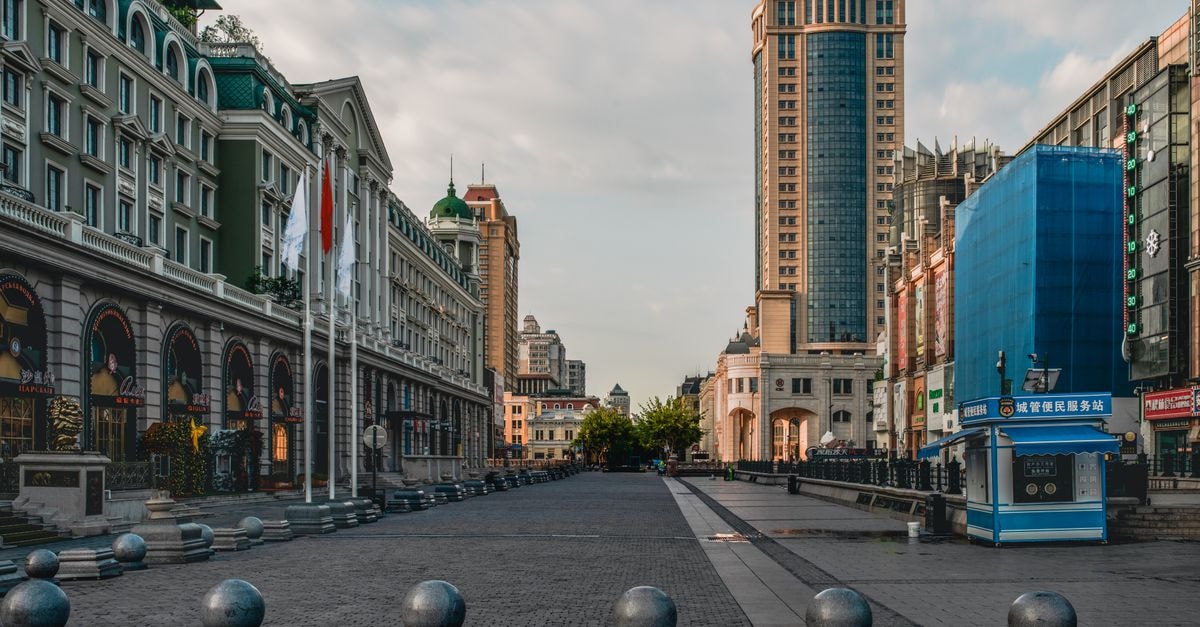
A grounded first look at Shuangyashan

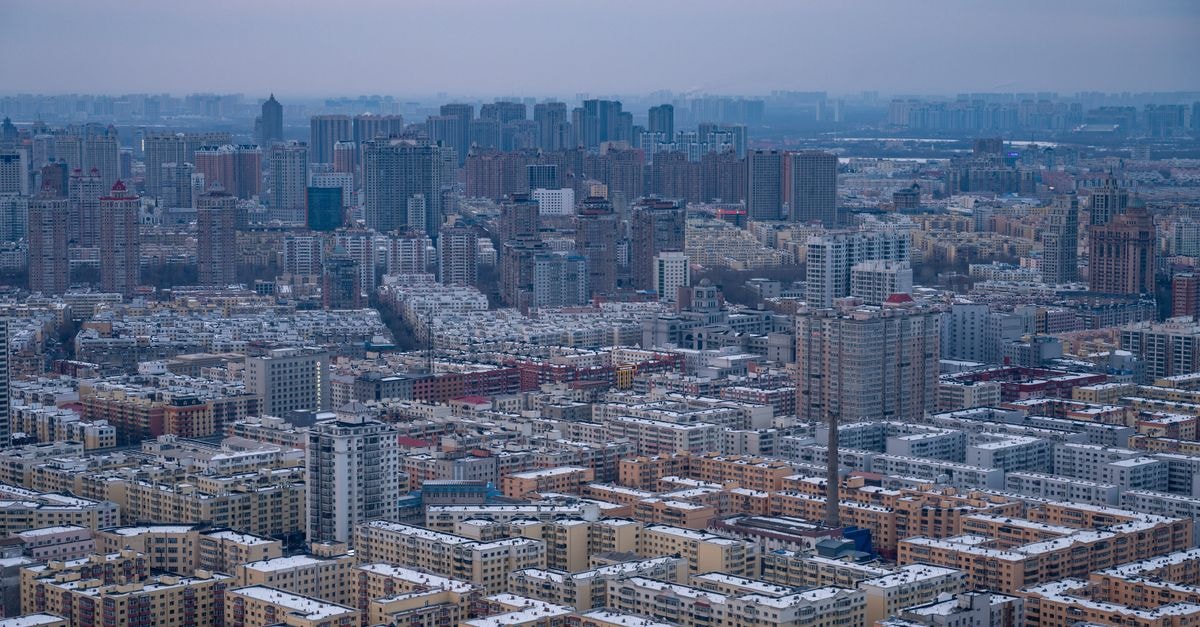
Shuangyashan sits in the northeast of Heilongjiang, in a part of China often associated with open land, forest, and a quieter pace than the country's headline cities. The appeal here is straightforward: a small-to-mid-sized city in a landscape shaped by grain country and protected green space, where visitors tend to move at a calmer rhythm than in the big Heilongjiang hubs. If you are putting together a Heilongjiang itinerary that skips the usual tourism circuit, this is the kind of place where slow travel fits naturally.
The two practical foundations for any visit are how you arrive and how you move once you are here. Both are covered in the sections below, and they are worth reading before you start sketching out attractions.
Getting around Shuangyashan
The city's transport setup is functional rather than elaborate, and that is worth understanding before you arrive. The available evidence indicates that Shuangyashan does not feature many specialized transportation modes common in larger tourist destinations, so most days will be planned around a few familiar ways of getting from place to place rather than a long list of niche services. If you prefer a destination where everyday movement is handled by a small set of standard options, this profile may suit your travel style.
Rail is the most clearly documented link between Shuangyashan and the rest of Heilongjiang. Shuangyashan Railway Station connects to Jiamusi and Harbin, which is useful if you are weaving this city into a longer northeast route that includes either of those two well-known stops. If you like the idea of arriving or leaving by train, this documented connection may suit a rail-based itinerary that includes either of those two cities.
For air travel, the nearest airport is Jiamusi Dongjiao Airport (JMU), which sits around 50 km from Shuangyashan city center. That distance is worth thinking about in advance: flying in means a ground transfer after landing, so consider how you plan to cover the 50 km stretch between the airport and the city itself before booking flights. Travelers who would rather avoid an extra ground transfer after a flight may want to look at the train connection from Harbin or Jiamusi as an alternative, while visitors comfortable combining a flight with a short onward leg are unlikely to be put off.
Within the city, the practical approach is to settle on a small set of transport habits rather than chase variety. The available evidence describes general public transport and taxi-style options rather than a longer list of specialized choices, so planning around the basics is the most realistic way to map out a day.
Attractions and planning
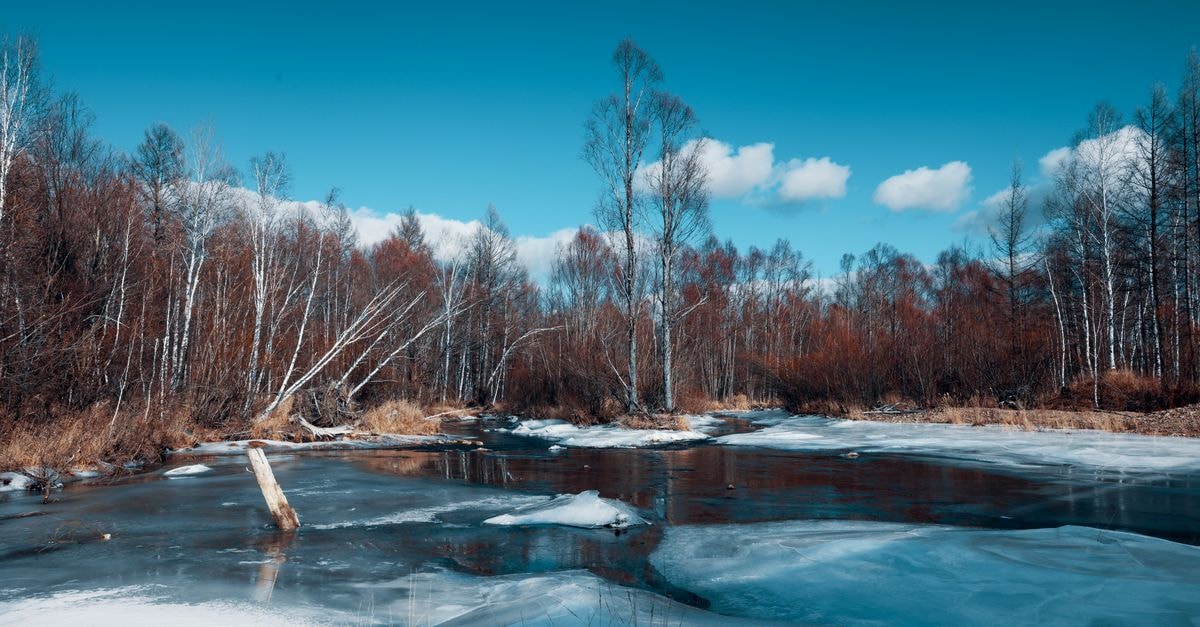
Many nature reserves and forest parks have been established around Shuangyashan, and the documented attractions sit firmly in this outdoor frame. A small amount of pre-planning goes a long way. Think about how you will reach whichever reserve or park you want to visit, how long you want to stay outside, and what a realistic return-to-city time looks like. If you prefer to keep your days flexible and avoid rigid scheduling, choose one outdoor area per day rather than trying to chain several together, and leave room for the slower pace that this kind of landscape invites.
A practical note: the available information does not detail specific ticket counters, opening windows, or reservation systems for individual reserves and forest parks. If any of those details would affect how you plan a given day, that is the kind of practical question worth confirming locally or through an official channel before you set out. The absence of those details here simply reflects what is documented, not a claim about how any particular park operates.
Choosing what fits the trip
The clearest tradeoffs in Shuangyashan come down to pace and arrival style. The documented nature reserves and forest parks point to an outdoor-focused visit, and travelers who like building their day around green space may find this profile fits well. If you like the idea of pairing Shuangyashan with either Harbin or Jiamusi on the same rail line, that combination is well supported by the available information and may suit a wider Heilongjiang route.
A final note before you go
Travel conditions change, and this guide is built around the documented basics of arriving, moving, and sightseeing in Shuangyashan. Before you travel, check official channels for up-to-date information on train services, airport transfers, and any specific nature reserve or forest park you plan to visit, so that your plans reflect the latest local conditions rather than a snapshot from any single source.
Share this article
TOOLS FOR THIS PLAN
Make the Shuangyashan plan measurable
Choose a tool only when it answers the next question in your trip. Your values stay in the browser, and each tool offers a route back to this planning context.