A first impression of Indonesia's second city

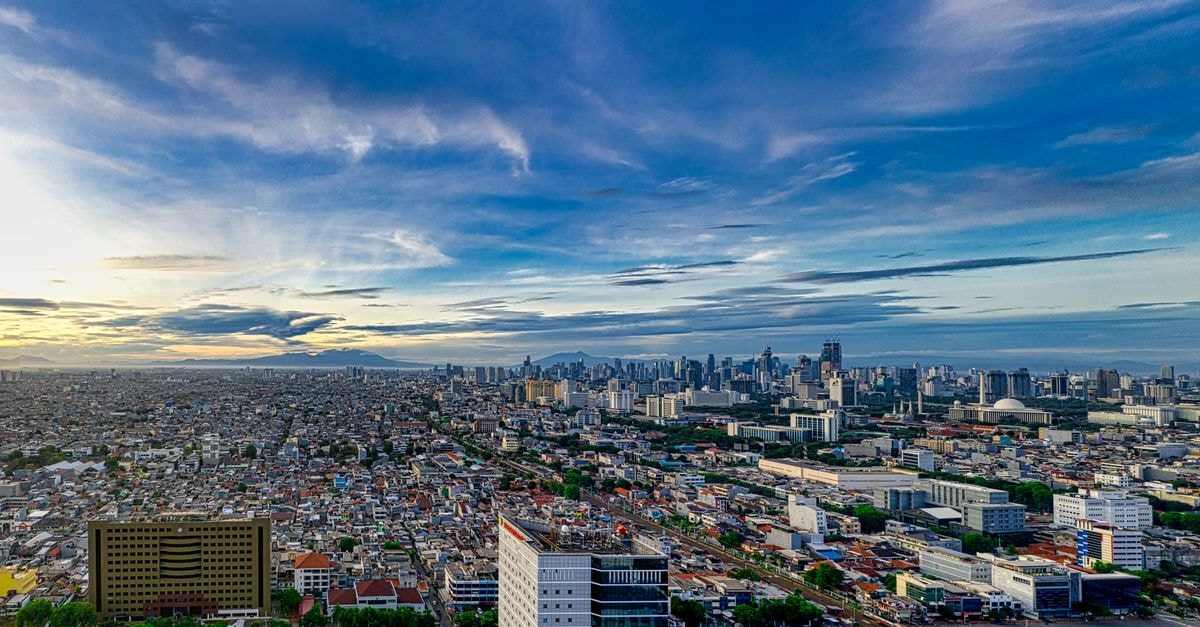
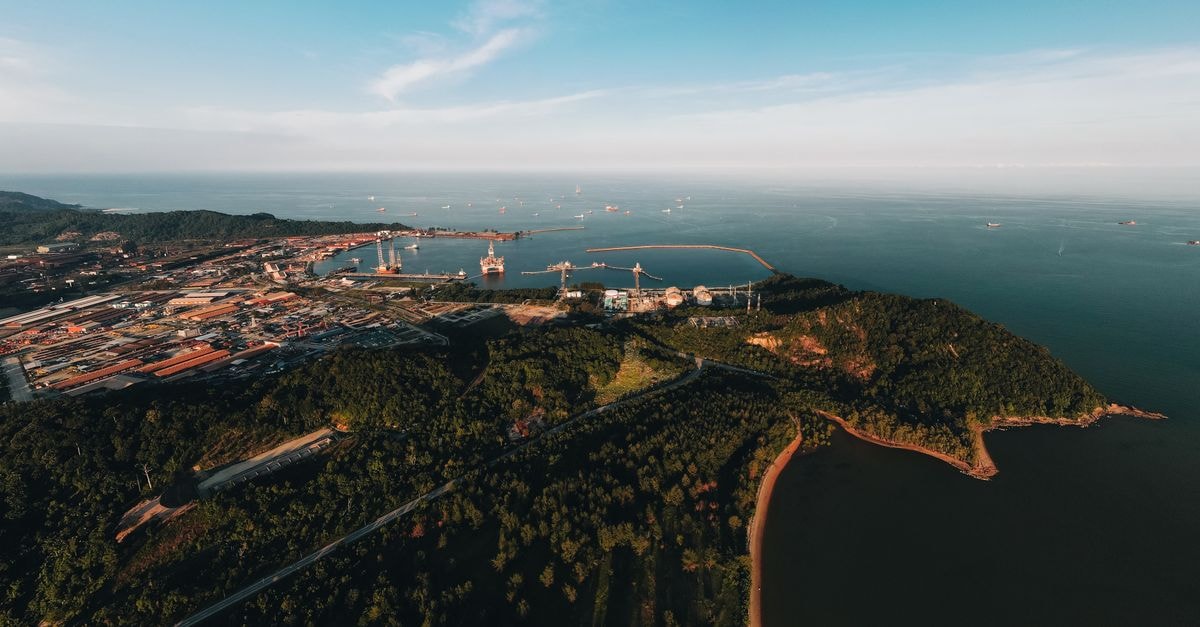
Surabaya carries a certain weight the moment you start to read about it. It sits on the northern shore of Java and is Indonesia's second-largest city, a sprawling urban center that hums with commerce and everyday life. The nickname that locals and writers return to again and again is *Kota Pahlawan*, the City of Heroes, a reference to the role Surabaya played in the long road to Indonesian independence. You don't need to know every chapter of that history to feel it. A walk through the older parts of the city, where colonial-era facades sit beside modern mosques, markets, and shopping streets, gives even a passing visitor a sense that this is a place shaped by memory.
What's lovely about Surabaya as a destination is that it doesn't ask to be conquered in a hurry. It rewards travelers who slow their pace, who let a neighborhood reveal itself over a cup of coffee or a long lunch, and who are open to a city that is still firmly itself rather than a polished postcard. This guide leans into that energy. It is written for visitors who want a grounded sense of place, a few honest pointers on how to move around, and an introduction to the wider Indonesian food culture you will almost certainly brush up against during your stay.
Weather and seasonal context
Surabaya's position on Java's northern coast gives it a tropical feel year-round, with warm temperatures, high humidity, and the kind of weather that nudges you toward shaded courtyards, iced drinks, and slow afternoons. Rather than chasing a perfect window, think of Surabaya as a city to be experienced in layers. Mornings tend to feel gentler and are well suited to walking and outdoor exploration, while the middle of the day can feel heavy and steamy, a perfect excuse to duck into a museum, a cafe, or an air-conditioned shop. Evenings typically open up again, when street life picks back up and the city exhales into its evening rhythm.
Getting around
Surabaya is a big city, and it moves accordingly. Streets are wide, traffic can be substantial, and distances between neighborhoods are often longer than they look on a map. Because the city is a fast-growing urban tourism destination, you will find a mix of older historical streets and newer commercial districts, which makes planning your movement between them part of the experience.
For visitors who are planning a longer stay, or who arrive thinking they might want to work remotely for a while, Surabaya has been written about as a destination suited to a slower, more settled rhythm, with neighborhoods and shared workspaces that travelers compare against other Indonesian cities. That framing matters because it suggests the city is navigable once you choose a base. Picking one or two central neighborhoods and then exploring outward from there, rather than trying to crisscross the city every day, tends to make the place feel much friendlier on foot.
Walking is genuinely enjoyable in the older historical stretches, where the pace is calmer and the streets are full of small details worth noticing. Treat those parts of the city as you would a long lunch: unhurried, attentive, and open to interruption.
Food and local context
Surabaya sits inside one of the world's most distinctive food cultures, and even a short visit will put you in contact with it. Indonesia as a country is overwhelmingly Muslim, and halal dietary practices are widely observed. For visitors, that everyday reality tends to shape what you find most easily: halal-friendly options are common, and asking about ingredients or preparation is rarely met with anything other than a friendly explanation.
Beyond that national context, the broader story of Indonesian food is best understood as a street-level one. Markets, warung, family-run restaurants, and roadside stalls are where the country's culinary identity really lives. That pattern is very much a national one, and visitors to Surabaya will encounter it as a matter of course during their stay. The pleasure of eating here tends to come from curiosity rather than planning, from wandering into a small place that smells right, from pointing at something you can't quite name, and from letting the rhythm of the day decide where you eat next.
A few habits help. Eat when the locals eat, which often means earlier dinners than travelers from elsewhere might expect. Don't be shy about repeating a dish you loved. And remember that the question every guide to Indonesian food eventually arrives at, *what is Indonesia known for*, has a different answer in every city and on every plate. The country is an archipelago of flavors, and Surabaya is a generous place to start exploring that variety.
Letting Surabaya set the pace
The best way to enjoy Surabaya is to stop trying to optimize it. It is a city of heroes, yes, but it is also a city of ordinary afternoons, where the best moments are often the unplanned ones: a quiet corner cafe, an unexpected conversation in a market, a long walk that turns into a longer one. Give yourself permission to leave gaps in the day. Let the heat of midday be a pause rather than an obstacle. Choose a neighborhood, settle in for a couple of days, and let the city introduce itself rather than the other way around.
Surabaya is not the Indonesia you see on postcards, and that is precisely the point. It is working, breathing, and very much in the present, and visitors who meet it on its own terms tend to leave with the strongest memories.
Prices, opening hours, schedules, reservation rules, and local conditions can change; verify them through official channels before departure.
Share this article
TOOLS FOR THIS PLAN
Make the Surabaya plan measurable
Choose a tool only when it answers the next question in your trip. Your values stay in the browser, and each tool offers a route back to this planning context.