A doorway into a newer Papuan province
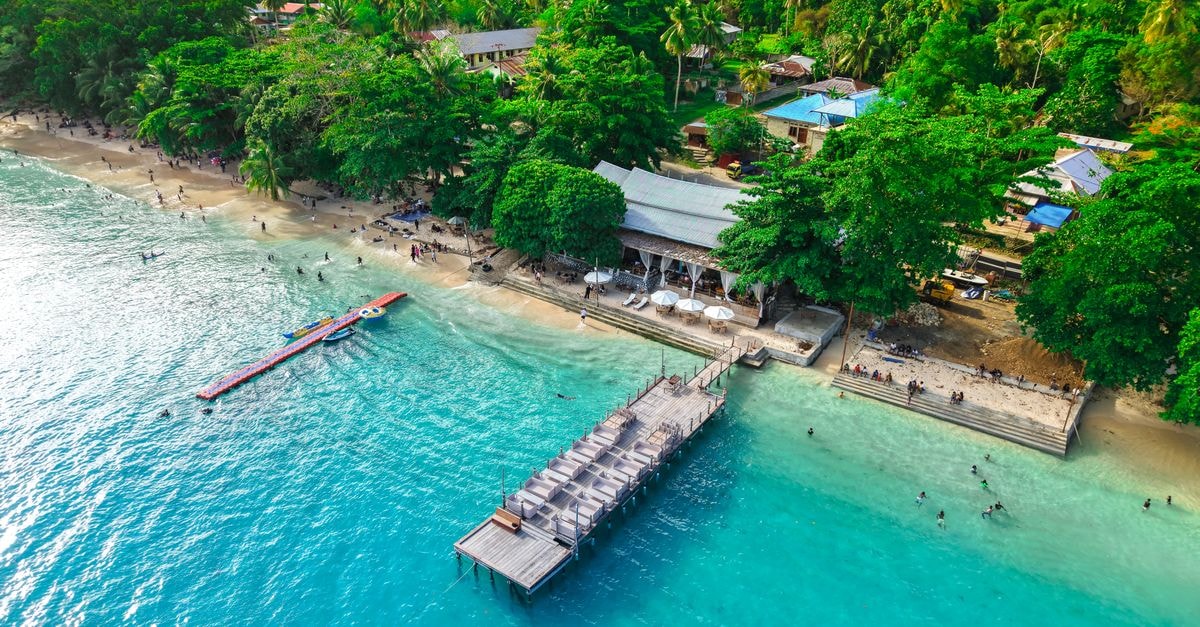
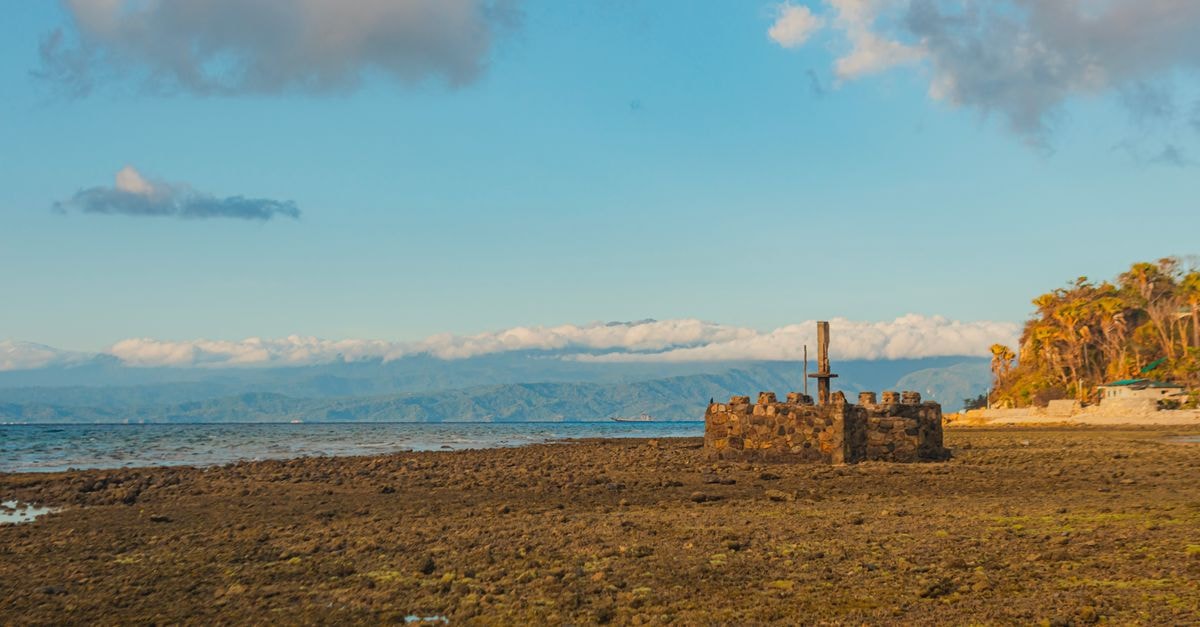
Nabire sits on the north coast of Papua Island and serves as the capital of Central Papua, one of the newer provinces carved from the island's interior and highland regions. That capital status quietly shapes what visitors encounter: a coastal town that doubles as an administrative and transit point, where the wider story of Central Papua, with its capital in Nabire, is one of the newer provinces on Papua Island, slowly unfolding beyond the usual Indonesian travel circuits.
This is not a destination built around polished attractions or mapped itineraries. It rewards travelers who are comfortable with a sense of remoteness, who appreciate that getting here is part of the experience, and who are curious about Indonesia's youngest provincial frontiers. The energy here tends to feel local and unhurried rather than touristic.
Weather and seasonal context
Nabire sits within a tropical coastal climate, and conditions through the year can feel warm and humid, with the kind of shifting skies typical of northern Papua. Because the available evidence for Nabire does not include precise month-by-month readings, this guide keeps the weather discussion at the level of how the environment is described, not how a specific date will perform.
The interior areas that shape Central Papua's identity are accessed by trekking or local flights, which means weather affects both how you move and how long any given crossing takes. For visitors, the practical implication is gentle rather than dramatic: plan buffer time, treat any inland excursion as weather-dependent, and let local advice, rather than a fixed calendar plan, set the pace on a given day.
Further afield, Lake Paniai and surrounding regions are remote but rich in culture and landscape, a reminder that the wider province stretches from coastal Nabire into highland lakes and cultures that ask for slower travel. The bay itself draws attention too: the Nabire travel guide context of Cenderawasih Bay, where whale sharks are occasionally spotted in season, points to a destination where nature, not infrastructure, is the headline. Arriving with patience, and the willingness to sit with an unplanned afternoon, suits this part of the island.
For travelers who dislike tightly scheduled days, this can feel like a relief rather than a limitation. Consider treating weather as something you consult each day, and let plans flex around what local operators and pilots are willing to commit to. Travelers who prefer fully pre-arranged daily schedules may want to reconsider how rigidly they pre-book inland transfers.
Coffee, highlands and the wider Indonesian table
Food in Nabire naturally folds into the wider story of Indonesian cuisine, which is rich in variety and taste, shaped by enormous geographic and cultural diversity across the archipelagos. Visitors will encounter familiar national flavors and ingredients, while the Papuan context adds its own character, particularly through what grows in the surrounding highlands.
One product travelers are likely to come across is the coffee grown in the nearby mountainous regions like Moanemani, known for its rich, earthy aroma and low acidity. That single detail anchors a broader point: the highlands just inland from Nabire produce distinct local goods, and engaging with them, whether at a local market, a casual café, or through conversation with residents, is one of the more grounded ways to feel the place rather than just pass through it.
At the same time, Indonesian culinary culture carries a wider resonance beyond the physical ingredients. Promoting Indonesian culinary tourism should not be merely exposing the ample varieties of the traditional food that Indonesia has, but more importantly, telling the market about the socio-cultural values behind the food itself. For visitors, that is a useful frame: taste things with curiosity about who made them, where the ingredients come from, and what they mean locally, rather than treating meals as a checklist of regional dishes.
If you enjoy food-led travel where you learn as much from sitting with a cup of local coffee and a conversation as from a curated tasting menu, this stretch of Papua suits that pace. Travelers who rely on a wide range of clearly international dining options in any given town may want to set expectations accordingly and bring a flexible sense of appetite.
What shape this trip can take
Because the evidence around Nabire is intentionally lean, the strongest tradeoffs to weigh are about pace and expectation rather than about which specific restaurants, tours, or daily plans to commit to. Three considerations tend to matter most.
First, mobility is uneven. Coastal Nabire is accessible by air, but interior areas are reached by trekking or local flights, which means flexibility is more useful than a packed schedule. Second, the highlights tend to be experiential rather than structured: Cenderawasih Bay and whale sharks on one side, Lake Paniai and its culture-rich landscape on the other, framed by a highland coffee culture around Moanemani. Third, the food story is best read as part of wider Indonesian cuisine and its socio-cultural values, rather than as a stand-alone city specialty, so curious eaters will get more from Nabire than diners looking for a polished culinary checklist.
A note before you go
A few practical points are worth checking before departure: the current status of flights into Nabire, the availability and timing of any local transfers to the interior, and any regional travel advisories that may affect access to highland areas like Moanemani or Lake Paniai. Conditions in remote parts of Central Papua change, and official channels, airline schedules, and local guidance should be the final word on access and safety on any given day.
Keep in mind that factual travel conditions can shift between research and arrival, so treat this guide as a starting frame rather than a fixed plan, and verify the specifics that matter to your trip before you travel.
Share this article
TOOLS FOR THIS PLAN
Make the Nabire plan measurable
Choose a tool only when it answers the next question in your trip. Your values stay in the browser, and each tool offers a route back to this planning context.