A highland city that rewards a slower pace

Huambo sits in the heart of central Angola and carries a quiet kind of weight. The city is the capital of Huambo Province, and it ranks among the largest provincial cities in the country, comparable in scale to Lubango and the Lobito/Benguela pairing on the coast. That provincial stature gives it a sense of substance, but the rhythm on the ground tends to feel calm rather than busy, which is part of its appeal.
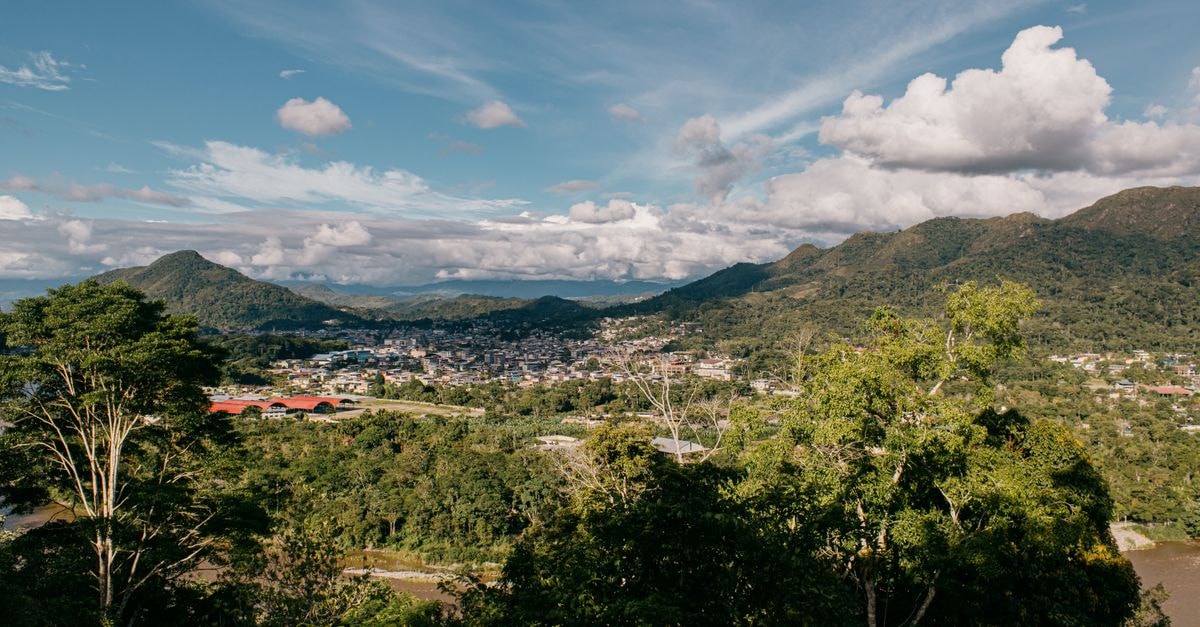
Travelers used to associating Angola only with steamy coastal air often find Huambo a refreshing surprise. The city sits on Angola's Central Plateau at roughly 1,700 meters in altitude, and that elevation shapes almost everything about how a visit feels. The air tends to be cooler and gentler than visitors expect, the mornings can feel brisk, and the pace of the day tends to unfold a little more slowly than in lowland cities. If you tend to overheat easily, this is the kind of city where a light layer in the evening earns its place in your bag.
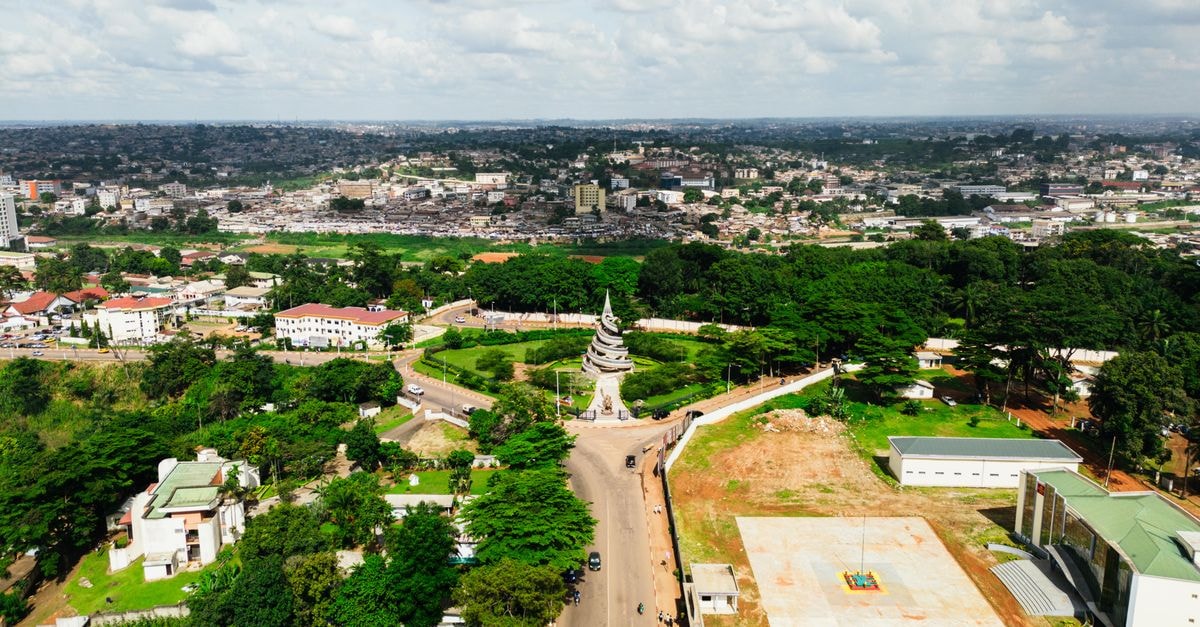
There is also a historical layer that gives the streets their character. The province of Huambo was founded in 1910, originally styled as the "Distrito do Huambo" until 1928, when the territory was renamed "New Lisbon" during the colonial era. That older name occasionally still surfaces in conversation, local signage, and older maps, so a small dose of context helps the city's atmosphere make sense on the ground. Walking through central Huambo today, you move past a streetscape dotted with impressive historic buildings such as the Igreja da Nossa Senhora do Monte and various colonial-era structures, which lend the city a somewhat nostalgic, layered feel rather than a glossy modern one.
A temperate highland climate
Huambo's climate is one of its most distinctive features. Because the city sits on the Central Plateau at around 1,700 meters, it enjoys a temperate climate that surprises many travelers who picture Angola as a uniformly hot country. Days can feel comfortably warm while mornings and evenings often carry a cool edge. The altitude also means the sun can feel sharper than the air temperature suggests, so a steady routine of water, shade, and a light layer tends to serve visitors well.
Because conditions can shift noticeably through the day, pacing matters more than packing for a single weather scenario. A loose pattern of energetic exploring during the cooler middle stretch of the day, with relaxed café or museum time at the warmer hours, can feel natural. Travelers who prefer to be outdoors at dawn or dusk usually find the light especially generous at this elevation.
It is worth remembering that highland weather is not a single fixed experience. Rain can arrive in passing showers, and temperatures move up and down between sun and cloud. A small umbrella and a layer that can be added or removed will cover most situations. Because the available climate picture is about Huambo's general temperate character rather than a specific forecast, checking a live weather source close to your travel dates is a sensible last step before you finalize clothing choices.
Getting around and orienting yourself
Huambo is a sizable provincial city, so giving yourself a little time to orient is worthwhile. The compact historic core, where many of the older buildings and the Igreja da Nossa Senhora do Monte are clustered, tends to be the most rewarding area to explore on foot, especially in the cooler parts of the day when the highland light is at its most flattering.
For travelers who want to see the wider province in a structured way, a one-day route exists that is designed to cover the main tourist attractions of Huambo Province. Known as the Fundamental Huambo Itinerary, it condenses a cross-section of the region's landmarks into a single day and is useful as a frame if you only have a short window in the area. It is best treated as a starting point rather than a checklist, since the city's real charm often emerges in the unplanned pauses between stops.
Within the city itself, movement tends to combine walking in the central areas with some form of road transport for longer stretches. Because Huambo is comparable in size to other major Angolan provincial cities like Lubango and Lobito/Benguela, distances can stretch further than they appear on a quick glance at a map, and planning transitions between districts in advance saves time and energy.
A city with layered history and quiet character
What makes Huambo memorable is not a single landmark but the way its different layers sit alongside each other. The Igreja da Nossa Senhora do Monte anchors a skyline that also carries various colonial-era structures, and the streets between them hold the everyday texture of a working Angolan provincial capital. That combination of religious, civic, and residential architecture gives the city a somewhat nostalgic feel without turning it into a museum piece.
The "New Lisbon" period of the city's past adds another dimension. Knowing that the territory was renamed from the original "Distrito do Huambo" to "New Lisbon" during the colonial era gives modern place names, older buildings, and the city's grid an extra layer of meaning. Travelers who enjoy reading a city through its history tend to find Huambo unusually generous for a place of its size.
For visitors, the practical takeaway is simple: slow down, allow time to wander between landmarks, and let the highland light and older architecture set the tone. Huambo is the kind of city that gives back what you put into it, and a little curiosity about its 1910 origins and its plateau setting goes a long way.
A few practical notes before you go
Because Huambo's appeal is as much about pacing as it is about specific sights, a short stay done thoughtfully tends to feel more rewarding than a rushed one. Give yourself time to settle into the altitude, especially on the first day, and build in unhurried stretches for simply sitting with a coffee and watching the streets. The temperate highland climate rewards that kind of rhythm.
If you plan to use the Fundamental Huambo Itinerary as a base for a provincial day out, treat it as a starting framework rather than a fixed schedule. Local conditions, transport timing, and personal energy levels all deserve a say in how the day actually unfolds. For the city itself, a relaxed walking day through the historic core, perhaps anchored by the Igreja da Nossa Senhora do Monte and the surrounding colonial-era buildings, is often the most enjoyable introduction.
As with any destination, practical details such as transport availability, road conditions, and local services can change. Official channels and up-to-date local guidance should be checked before departure so that your plans reflect current conditions on the ground.
A note on accuracy
The factual picture of Huambo here is built from a small set of approved source notes covering the city's history, highland setting, and orientation. Readers should treat this guide as a durable introduction rather than a live snapshot, and verify any time-sensitive detail through official or up-to-date local sources before traveling. Travel conditions, services, and on-the-ground realities can change, and a quick check before departure is always wise.
Share this article
TOOLS FOR THIS PLAN
Make the Huambo plan measurable
Choose a tool only when it answers the next question in your trip. Your values stay in the browser, and each tool offers a route back to this planning context.