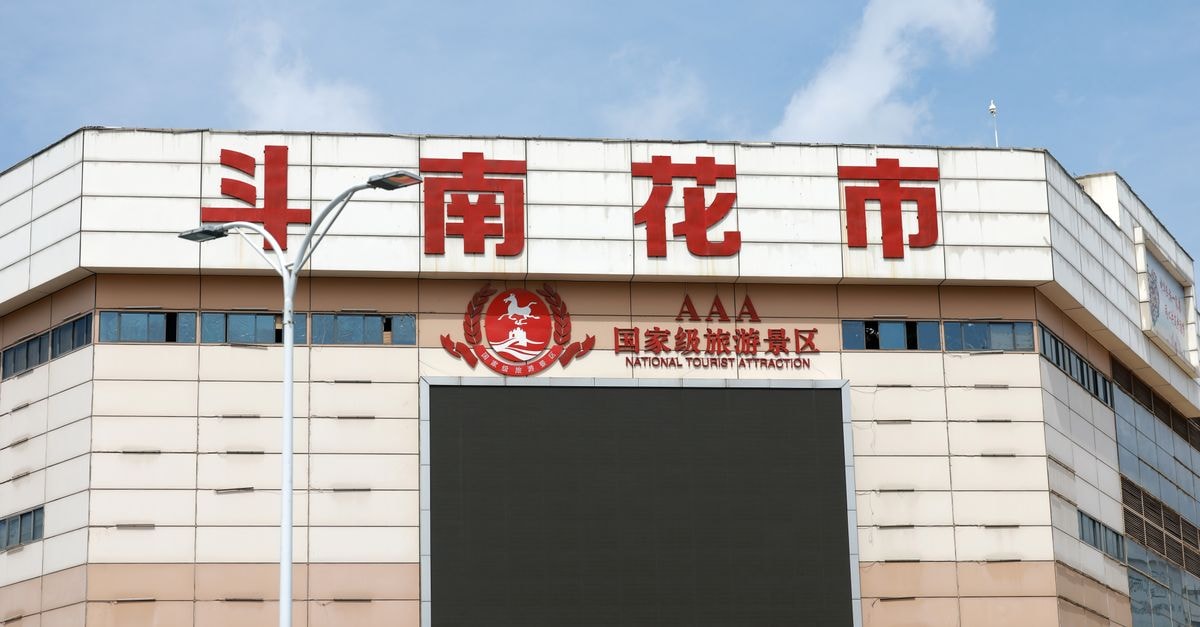
A river-meets-liquor city in southeastern Sichuan

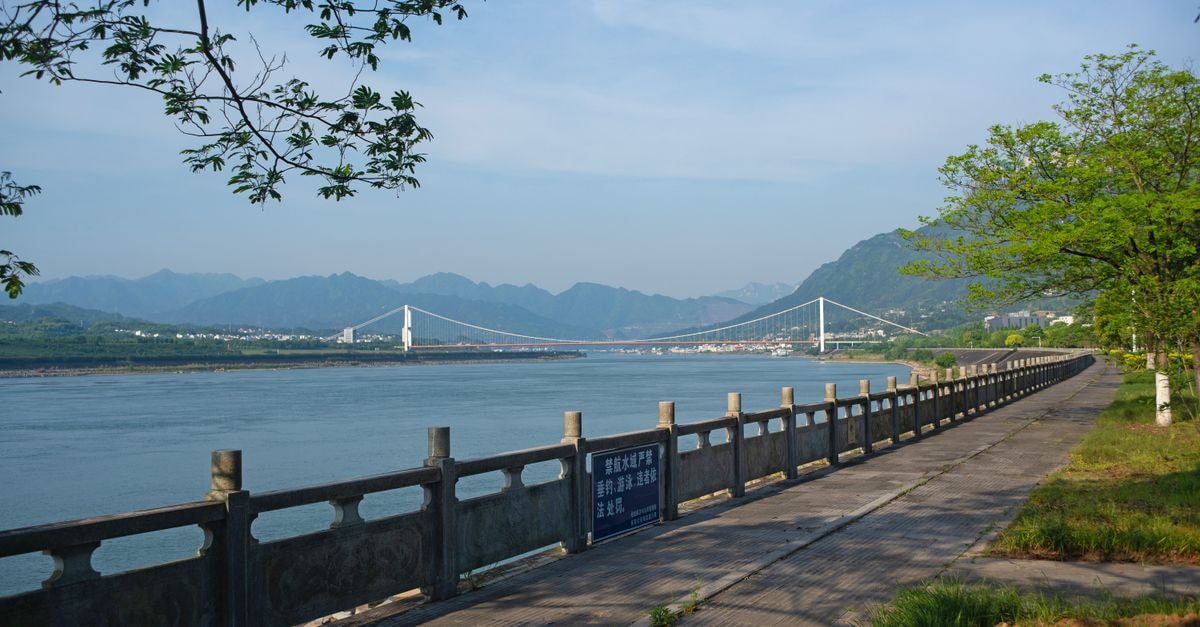
Luzhou sits in the southeastern corner of Sichuan Province, where the Yangtze River meets the Tuo River. That single geographic sentence quietly explains a lot about the city. Rivers bring trade, barges, riverfront evenings and a slower pace than the Sichuan megacities further west. The same confluence also helped Luzhou become one of China's famous liquor cities, home to century-old producers like Luzhou Laojiao and Langjiu. You feel both layers at once: a working river port wrapped around an old baijiu culture, the kind of place where visitors can move between a distillery courtyard and a riverside walk without ever leaving the city center.
For travelers, the appeal is texture rather than spectacle. There is a particular pleasure in watching cargo barges thread the water at dusk, then walking back into lanes where the smell of fermentation drifts out of old workshops. Luzhou rewards people who like to read a place slowly, who would rather learn one distillery's story well than tick off a long checklist.
What a day in Luzhou actually costs
The most practical question for any independent traveler is budget, and Luzhou is genuinely friendly here. Travel writers who track the city describe a budget-to-midrange daily spend of roughly US$30–60 per person, with budget travelers managing on around US$25–35 and midrange comfort clustering near US$50–60. That figure typically covers daily meals, local transport and entry-level activities, while hotels and intercity transport sit separately.
It helps to think in three layers. The first is street food and small eateries, where Sichuan flavors stretch a meal surprisingly far. The second is local transport between the riverfront, the older distillery districts and the main commercial streets. The third is the occasional paid experience, such as a guided tour of a working baijiu cellar, where a small extra spend unlocks the kind of context you cannot get from a photo. For travelers used to China's larger cities, Luzhou often feels like a relief: the same cuisine and culture, with a noticeably lighter price tag.
Because exchange rates move, the dollar figure above should be read as a reference, not a fixed quote. Before you travel, check the current CNY rate against your home currency so you can convert these ranges into something accurate for your trip.
Weather and seasonal context
Luzhou's geography shapes its climate in ways visitors feel rather than measure. Sitting low along two major rivers in southeastern Sichuan, the city tends to feel humid for much of the year, and summers can feel heavy and warm. There is no real "off" mood here, just a shift in how you pace yourself: mornings along the river, slower afternoons, and evenings back out when the air cools.
A few practical habits make Luzhou easier in any season. Light, breathable clothing is your friend. A compact umbrella or light rain layer earns its space in your bag, because river cities throw surprise showers at you. Comfortable walking shoes matter more than you might expect, because the most rewarding parts of Luzhou involve lanes, steps and riverside paths rather than sealed hotel corridors. Travelers who treat the heat or humidity as something to work around, rather than fight, tend to enjoy the city most.
The climate context also explains why the river itself is such a presence. Mornings can be misty, afternoons hazy, evenings often the clearest window. Build your day around the river rather than against it.
Food and local context
Luzhou sits inside one of China's most food-obsessed regions, and visitors quickly notice that eating here is not a side activity but a main event. Chinese cuisine is among the world's most varied, and Sichuan cooking carries that tradition into everyday meals with bold flavors, long social tables, and small dishes arriving in waves. The same source notes that Chinese people place strong cultural value on eating as a shared experience, and that China has a long history of ritual and etiquette around dining, so mealtime behavior carries real meaning here.
Within Luzhou itself, the most distinctive flavor on the table is the city's relationship with baijiu. The liquor produced here, including the famous Luzhou Laojiao and Langjiu, is technically a national product, but it is woven into local meals, celebrations and the rhythm of a workday. Travelers curious about baijiu can taste it in small measures at distillery experiences and pair it with the local food scene, rather than treating it as something to conquer in a single evening. Sipping slowly is part of the culture.
A relaxed approach works best. Eat what is in season, ask what is local, and let servers steer you toward dishes you cannot pronounce. Luzhou's food rewards curiosity more than caution.
How to approach a baijiu visit
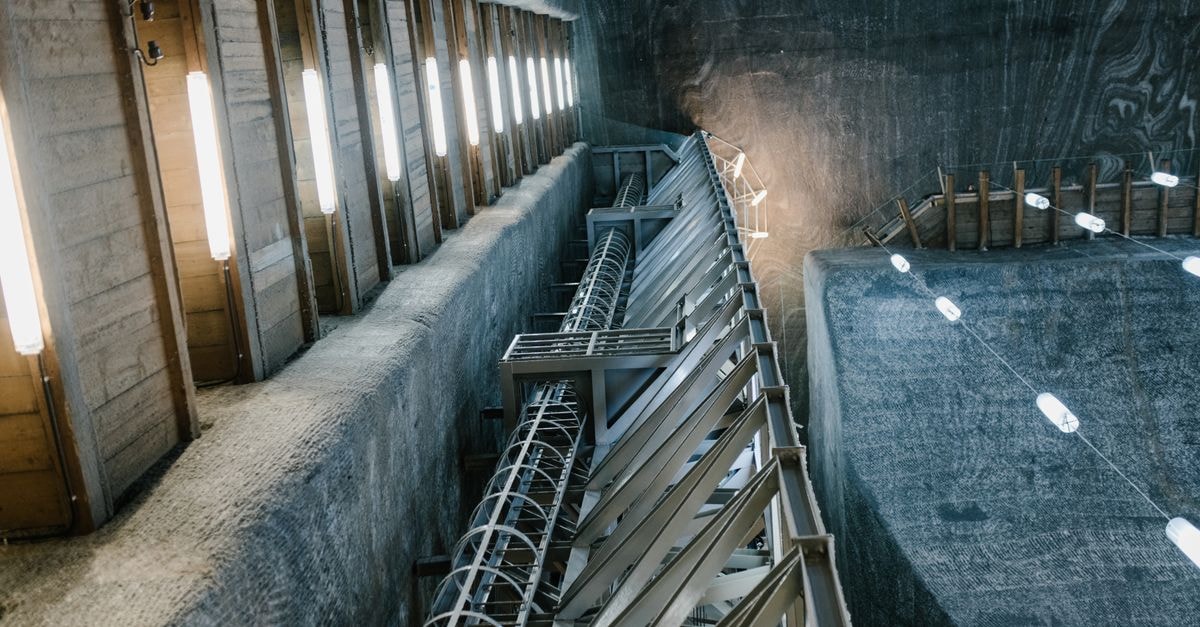
For many travelers, the highlight of a Luzhou trip is stepping inside one of the old distilleries tied to Luzhou Laojiao or Langjiu. These are working heritage sites, not museums, and the experience is part industrial, part historical, part ceremonial. You walk through fermentation pools that smell like sweet grain, see rows of aged jars in cellar-like rooms, and learn how a single batch can take years to mature.
A few things make these visits more rewarding. Go earlier in the day when production lines are active. Ask whether tastings are included or arranged separately, and pace yourself: strong baijiu is meant to be sipped, not downed. Photography rules vary, so follow staff guidance rather than assuming you can shoot anywhere.
Even if you are not a serious spirits drinker, the distillery visit is worth doing. It reframes the bottles you see in shops across China, and connects you to the specific geography that made Luzhou famous in the first place. The combination of river trade, grain agriculture and generations of local expertise produced something genuinely distinctive, and the distilleries are where that story is most legible.
Planning the rhythm of your stay
Luzhou is not a city that punishes slow travelers. Most of what makes it interesting can be experienced in unhurried layers: a morning by the river, a long lunch, an afternoon inside a distillery, an evening wandering lanes and watching barges pass at dusk. Pacing matters more than packing the day full.
A useful mental model is to split Luzhou into three textures. The riverfront gives you scale, light and the sense of being at a real working waterway. The distillery districts give you heritage and the city's most distinctive cultural product. The everyday food streets give you the Sichuan that locals actually eat, not the version designed for tour groups. Move between them slowly and the city opens up.
It is also worth saying what this guide deliberately does not promise. Specific restaurant names, exact opening hours, current closures, reservation requirements and day trips beyond the city all change, and the safer approach is to confirm them locally once you arrive. Treat the outlines here as a framework, then let Luzhou fill in the details.
Travel conditions shift with the seasons, transport schedules and local policies, so always cross-check the latest information through official tourism channels and your accommodation before you set out. With that small effort, Luzhou offers one of the most rewarding, and best value, windows into southeastern Sichuan.
Verification note
Weather patterns described here reflect Luzhou's river-basin geography and general climatic feel, not a live forecast. The daily budget range reflects the cited source's scope of meals, local transport and basic activities, excluding hotels and intercity transport. Currency conversions are illustrative; verify the current CNY exchange rate before budgeting. Always confirm opening hours, prices, transport options and any visitor requirements through official sources before travel, as conditions can change.
Share this article
TOOLS FOR THIS PLAN
Make the Luzhou plan measurable
Choose a tool only when it answers the next question in your trip. Your values stay in the browser, and each tool offers a route back to this planning context.