A quiet railway junction with its own pace

Iksan sits in the western heart of the Korean peninsula, in Jeollabuk-do (also transliterated as North Jeolla Province). The city does not announce itself the way Seoul or Busan does, and that is part of its appeal. Travelers who arrive here tend to be the kind who like to follow the rail map rather than the influencer map: people willing to let a junction city reveal itself through small details rather than a packed checklist.
What makes Iksan feel distinct is its role as a major railway hub. Trains converge here from several directions, and the rhythm of platforms, station cafés, and the steady hum of passing services gives the city a certain kinetic undertone. For a traveler who enjoys slow observation, that rhythm can be a gentle invitation to settle in for a day or two rather than rush through.
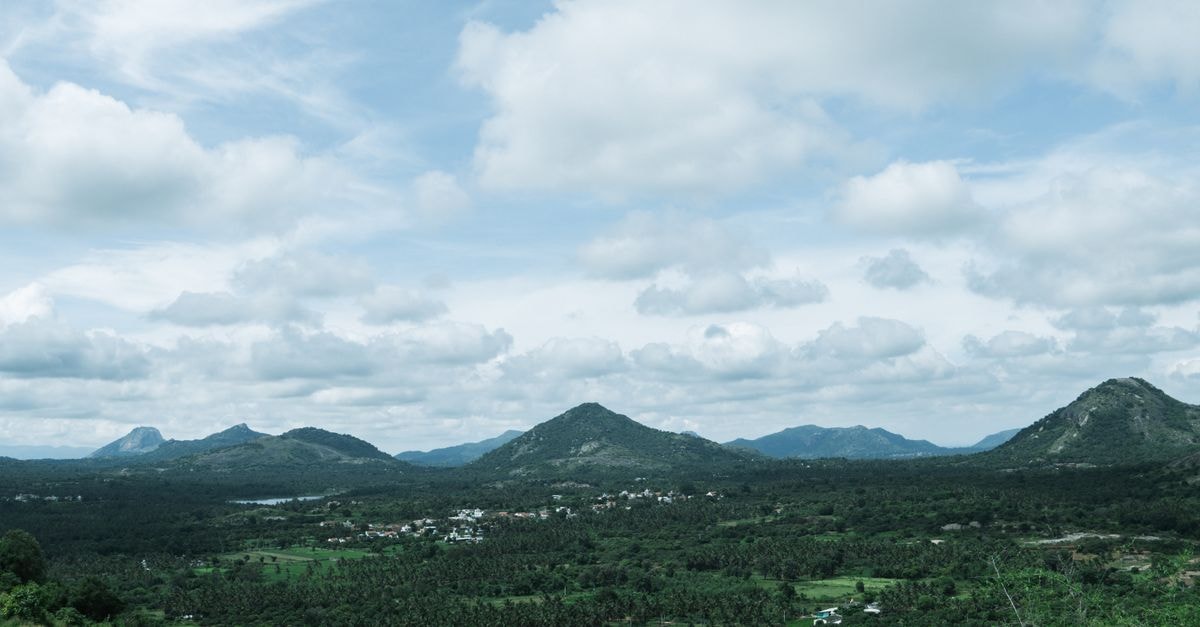
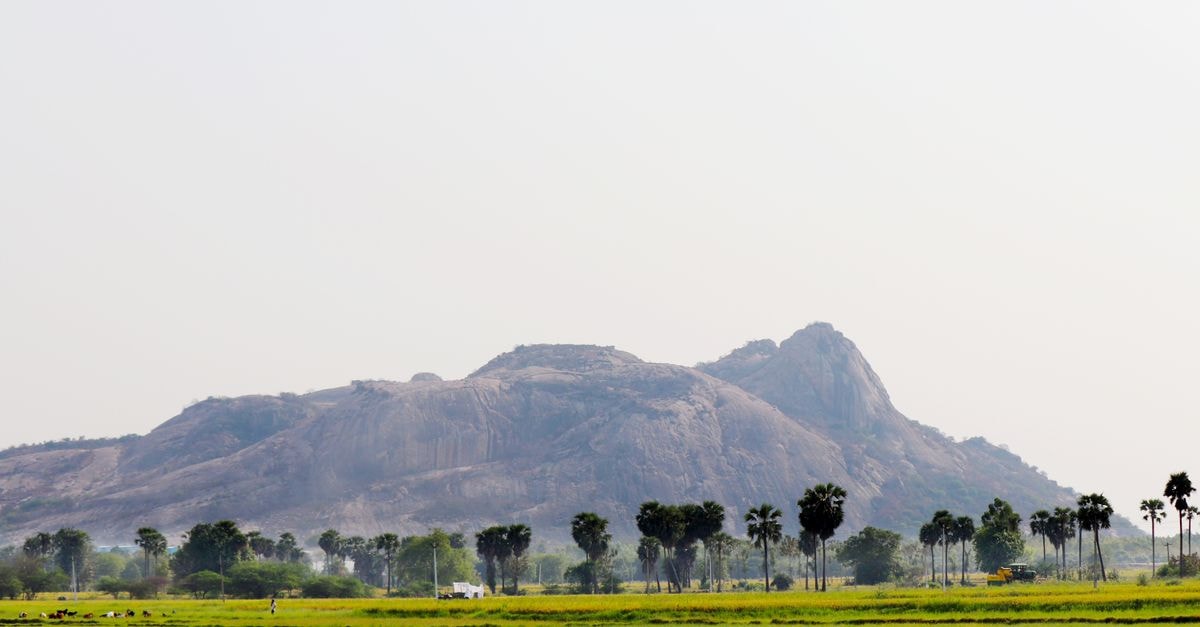
The wider region around Iksan has long been associated with rice fields, stone pagodas, and the kind of broad, open skies that make weather feel very present. Because Iksan sits inland on the western side of the peninsula, the climate has its own personality, and that shapes how a day on the ground can unfold.
Weather and seasonal context
Iksan's climate and seasonal conditions are documented in Wikivoyage as part of understanding the city. Because weather in Iksan can shift noticeably through the year, treat the long-term pattern as a hint rather than a promise. The actual feel of any given day depends on the specific conditions, and a short check of the local forecast before stepping out is a more reliable guide than any written summary.
For a visitor, that means packing with flexibility in mind. Layers work better than a single heavy coat, and a small umbrella or foldable rain layer is a sensible companion through wetter stretches of the year. If you prefer gentler walking days, aim for outdoor time in the morning or late afternoon, when inland heat tends to feel less intense.
Getting around and arriving by rail
The first practical fact to internalize about Iksan is that it is built around its railway station. Described as a major railway junction in Jeollabuk-do, the station is the connective tissue between the city and the rest of the country, and most travelers will arrive here by train. That single detail shapes how a visit feels: getting in is usually straightforward, and getting out to other destinations is rarely a puzzle.
For travelers who like the rhythm of slow rail travel, Iksan can suit a stopover approach. You arrive, orient yourself near the station, and decide how long to linger before continuing on the network. If you prefer a quieter base than a capital city, a junction town with frequent connections can actually make a practical home for a day or two.
Accommodation in the city tends to cluster within a couple of kilometers of the station area, which simplifies walking out for meals or catching an early train. One concrete data point worth noting is that WesternLife Hotel is listed at around $82 per night and sits about 2 km from a central point in Iksan. If you prefer to be within easy walking distance of the station, that kind of proximity is worth weighing against any preference for a quieter neighborhood further out.
Within the city itself, the railway-adjacent center makes local navigation relatively intuitive. Most of what a short-stay visitor needs tends to be reachable on foot from the station area, with taxis and local buses filling in the rest. If you prefer minimizing transfers after a long train ride, basing yourself close to Iksan Station can remove a layer of logistics from the first and last day of the trip.
A note for travelers who like slow rail days
Iksan's identity as a junction can shape the trip in ways that match certain travel preferences. If you enjoy the texture of regional rail, with station stops, platform views, and a sense of crossing landscapes, the city rewards a less rushed schedule. Travelers who dislike rushing between sights, or who prefer to let one train and one cup of coffee bookend a day of walking, may find the rhythm suits them.
Verification note
Travel conditions, including hotel pricing, station access, and on-the-ground transport details, can change over time. Before your trip, check the latest information through official rail and tourism channels for Iksan, and confirm current conditions for any accommodation or service you plan to rely on. Local weather can also shift day to day, so a short forecast check on the morning of travel is a small habit that pays off.
Prices, opening hours, schedules, reservation rules, and local conditions can change; verify them through official channels before departure.
Share this article
TOOLS FOR THIS PLAN
Make the Iksan plan measurable
Choose a tool only when it answers the next question in your trip. Your values stay in the browser, and each tool offers a route back to this planning context.