A Central China Hub Worth Slowing Down For

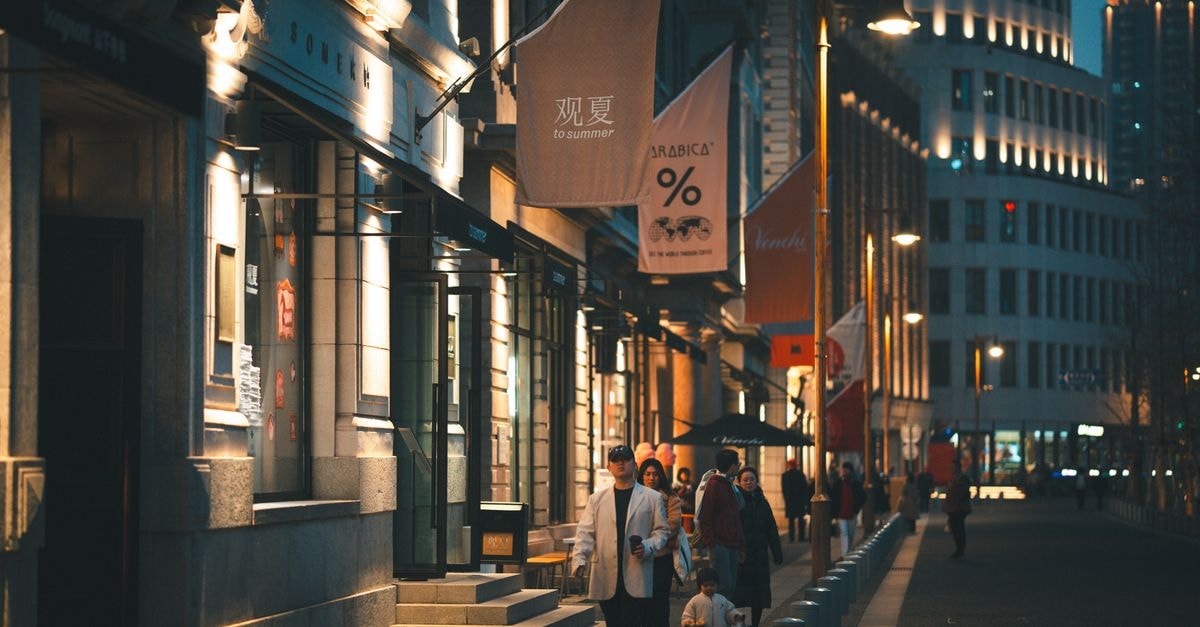
Zhengzhou sits in the heart of central China, and that single detail shapes almost every impression a visitor takes home. Because the city is an important railway hub, arrivals and departures often flow smoothly, which makes it a natural pause point on a longer Chinese journey rather than a stop that needs to be rushed. Beyond the practical convenience, Zhengzhou carries the texture of a place that is quietly on the rise: an up-and-coming, vibrant city full of life, where modern streets sit close to older memories of the Silk Road era and the long sweep of dynastic change. There is a sense here that the city is still being written into the travel map, which gives independent visitors a little more room to find their own rhythm.
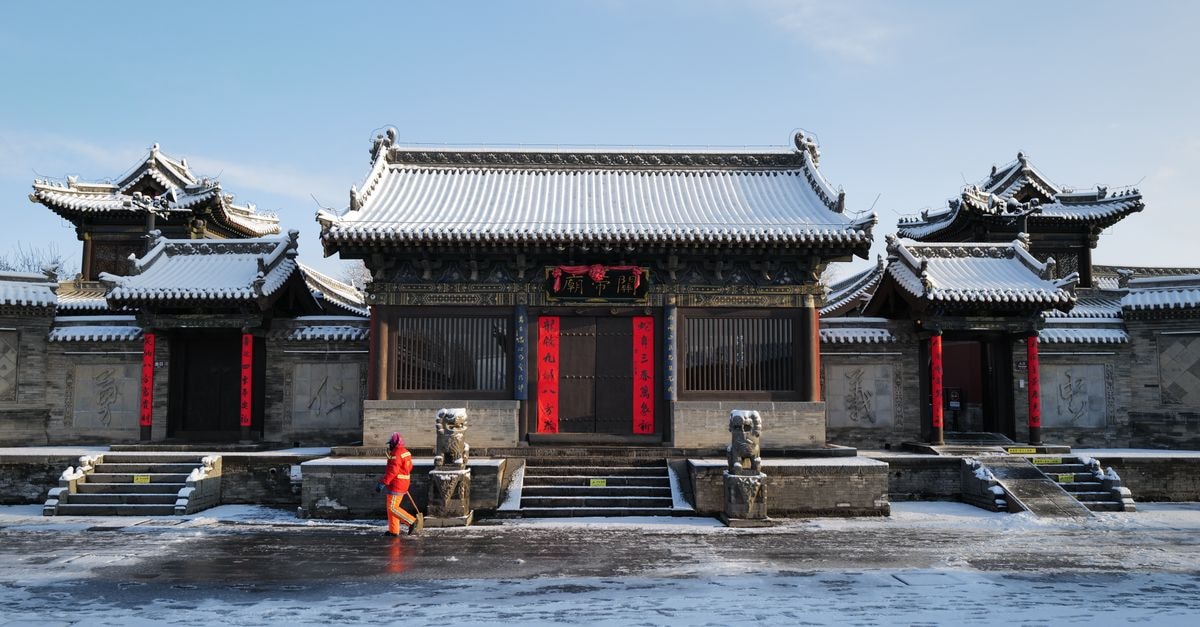
For travelers who like their cities layered rather than polished, Zhengzhou offers exactly that mix: a working transport heart, a deep historical name that switched during the Tang Dynasty, and the gravitational pull of nearby cultural landmarks that have shaped how the world imagines Chinese martial arts. The famous Shaolin Temple near this city is widely recognized as the cradle of the Chinese martial arts tradition that inspired countless Kung Fu films, and that association alone gives the city a kind of cinematic glow before you even set foot on the ground.
The point of this guide is not to script an itinerary down to the hour, but to help a curious traveler arrive with the right frame of mind: knowing what kind of place Zhengzhou is, what its weather personality feels like through the year, and how the wider Chinese approach to food and dining might show up around the dinner table.
Weather and Seasonal Context
Weather is one of those subjects where honest guidance is more useful than precise numbers. Zhengzhou's location in central China gives it a continental climate personality, which generally means hot, humid summers, cold and dry winters, and relatively short, mild shoulder seasons in between. For a visitor, the practical consequence is straightforward: the city can feel intense in the warmest months, and the cooler windows can feel brisk and refreshing.
Because precise daily conditions are not confirmed here, the safer approach is to think in seasonal shape rather than fixed temperatures. Travelers tend to find the most comfortable pace in the spring and autumn transitions, when days are long enough for sightseeing but the air is less demanding. In the strongest summer heat, the rhythm of the day often shifts: morning and evening become the active hours, while the middle of the day invites slower movement, indoor pauses, and longer lunches.
A few gentle habits serve almost any visitor well, regardless of when they come. Light layers that can be added or removed are useful, because temperatures can swing between day and night. Comfortable walking shoes matter more than a strict dress code, since the city's role as a railway hub means a fair amount of moving between platforms, plazas, and neighborhoods. And because Zhengzhou is a working, full-of-life city rather than a purely curated sightseeing stop, allowing a little extra time between plans almost always improves the day.
Food and Local Context
Food is one of the most expressive parts of any Chinese journey, and Zhengzhou sits inside a country where eating is treated as something closer to a daily ritual than a simple refuel. Visitors tend to notice this quickly: meals are social, generous, and unhurried, and the table itself often says as much about a place as its monuments do.
Across China, food culture runs unusually deep. Chinese people love to eat, and the country boasts one of the world's greatest and most varied cuisines. That variety is part of what makes traveling through cities like Zhengzhou interesting: even within a single region, dishes can shift from street snacks to family-style dinners to more formal banquet settings, each with its own tempo.
Dining etiquette is part of that texture, and it reflects how China is a country with a long history of ritual and etiquette, where eating is a highly important feature of culture. For visitors, this is less about memorizing rules and more about reading the room. Shared dishes placed in the center, tea poured for companions, and a relaxed pace at the table all signal respect more clearly than any strict checklist. It also helps to remember that mealtimes are often the day's social anchor, which is why restaurants and tea houses can feel surprisingly lively even outside peak hours.
Because Zhengzhou sits in central China, the wider country context around food and etiquette is the kind of thing a visitor is likely to encounter while eating here, from the way dishes are ordered and shared to the warmth of the room itself. That wider cultural backdrop, rather than any single signature dish, is what gives meals in the city their particular feeling.
Practical Notes for Independent Visitors
A few durable, evidence-light points are worth keeping in mind for anyone planning a visit. First, the city's railway hub status means transport links are usually plentiful, so it can be used confidently as either a base or a transit point. Second, the historical depth is real but quietly worn: Zhengzhou's name actually shifted during the Tang Dynasty, which is a reminder that what looks like a modern skyline still sits on top of a very long story. Third, the proximity to the Shaolin Temple gives the area a cultural magnetism that reaches well beyond its administrative borders.
It also helps to travel with flexibility. As with any major Chinese city, conditions on the ground can shift, and the most rewarding visits tend to come from travelers who leave space for the unexpected rather than locking every hour into place.
A Final Note Before You Go
This guide is written as an evergreen companion, meaning it is meant to remain useful regardless of when you actually arrive. Because of that, it deliberately avoids pinning itself to a specific month or set of weather numbers, and instead focuses on the kind of place Zhengzhou is, the kind of weather personality it tends to carry, and the wider Chinese food culture that travelers are likely to meet at the table.
Factual travel conditions can change, so official channels and current local information should always be checked before departure. Treat this guide as a starting frame, not a final map.
Share this article
TOOLS FOR THIS PLAN
Make the Zhengzhou plan measurable
Choose a tool only when it answers the next question in your trip. Your values stay in the browser, and each tool offers a route back to this planning context.