Welcome to Tegal

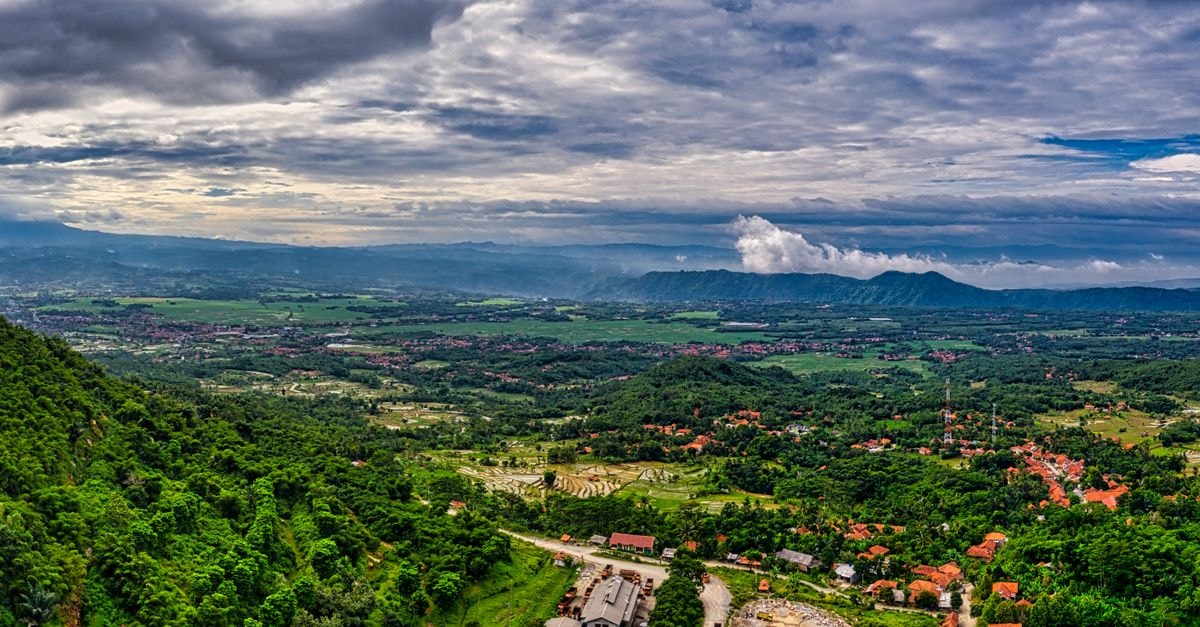
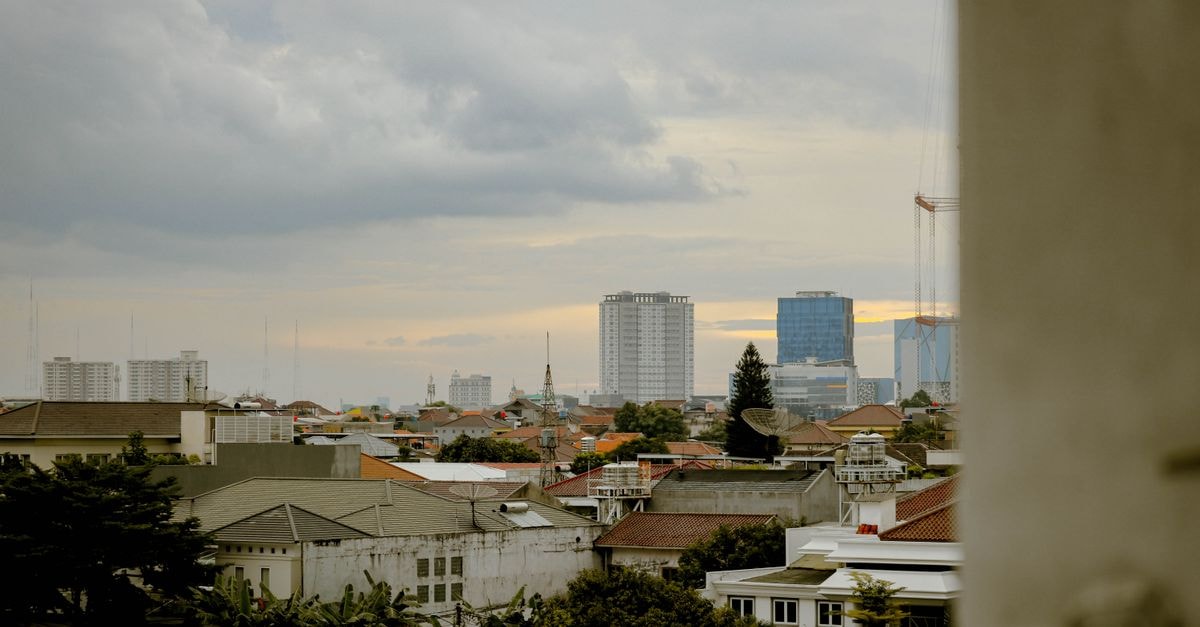
Tegal sits along the north coast of Central Java and carries the easy rhythm of a working maritime town. The city is small enough to feel approachable on foot in certain corners, yet busy enough that its streets and stations move with the steady pulse of regional Java. Travelers who enjoy places with an authentic working-port character rather than a polished resort feel may find Tegal a refreshing stop.
The city is also a practical rail node on Java's northern coastal line, which makes it useful as a base for travelers threading their way between larger cities like Semarang and Cirebon. Even a short visit tends to leave an impression: the hum of the station, the green pockets woven into the urban fabric, and the proximity of the sea all shape the texture of daily life here.
The coastal setting and seasonal feel
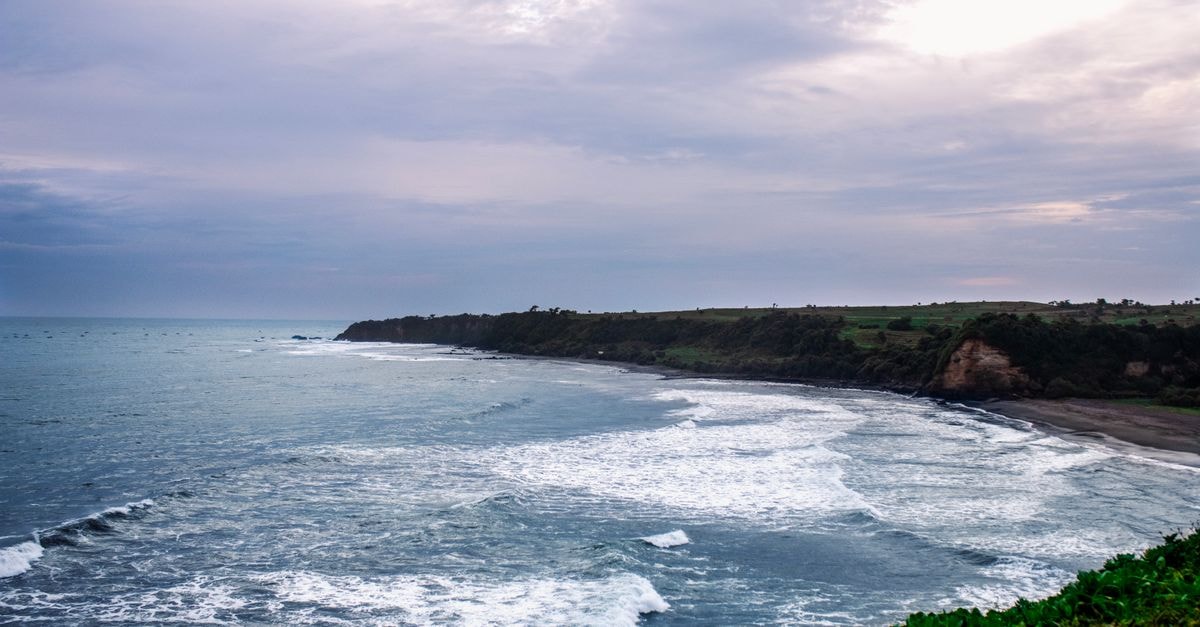
Tegal's identity is closely tied to its coastal setting. The coastline is part of why the city exists at all, and even from inland neighborhoods the maritime influence can be sensed in the breeze, the light, and the rhythm of commerce. Excursions to nearby coastal towns add variety for nature lovers, and the coast adds a layer of variety to a city visit that might otherwise feel purely urban.
Java's north coast tends to feel warm and humid for much of the year, and Tegal follows that general pattern. Because there is no month-specific weather data in this guide's approved facts, treat the climate as the kind of tropical coastal warmth where lightweight clothing, hydration, and a slower midday pace are sensible habits rather than strict rules. The heat can feel heavier when combined with walking between sun-exposed streets, so pacing the day around cooler mornings and later afternoons is a comfortable approach.
The city is also known for green spaces that, while not large in scale, are woven into the lives of residents. These pockets of shade and open ground are worth noticing as part of the city's texture, and they often serve as the kind of quiet corners a thoughtful traveler enjoys stumbling across. For visitors who appreciate a city that balances concrete bustle with green breathing room, this aspect of Tegal can be quietly appealing.
Getting around
Tegal's transport story is anchored by its long-standing railway station. Stasiun Tegal, the Tegal Railway Station, is an active station on Java's northern coastal line and is housed in an older building that still functions as a bustling transport hub. For many travelers, this station is the natural entry and exit point, and it sets the tone for a city where the rhythms of trains and street life overlap.
Arriving by rail gives visitors an immediate sense of how the city connects to the rest of Java. Trains along the north coast link Tegal with other regional centers, and the station itself is a useful landmark for orienting yourself. Because it is described as a busy hub, travelers should expect activity around it and plan for short waits or a moment to stand back and watch the flow of passengers and vendors.
Within the city, movement is shaped by local transport modes that serve daily life. Travelers who prefer to slow down and observe will find that combining short rides with walking sections often reveals more of Tegal's character than rushing between distant points. The station also serves as a useful reference point when asking locals for directions, since it is a well-known landmark.
Food and local context
Tegal is part of Indonesia, and Indonesia's broader food culture is one of the country's great pleasures. Across the country, food is recognized as one of the best ways to understand a place, with markets, street stalls, and family-run restaurants telling a richer story than any guidebook. Travelers exploring Tegal will encounter this same energy, where eating is woven into daily routines rather than treated as a separate activity.
A few wider Indonesian context points are worth keeping in mind while eating your way through the city. Indonesia is a predominantly Muslim country and observes halal dietary practices, so visitors who pay attention to dietary needs will find that halal considerations are part of the everyday food landscape rather than something to seek out specially. This nationwide context shapes what visitors may encounter on menus and in restaurants while in Tegal, and being aware of it helps travelers feel more grounded in the local setting.
Indonesian cuisine itself is famously varied, and visitors often find that some of the most rewarding meals come from simple street-side stalls or modest family-run warungs. The country's food culture rewards curiosity: trying small portions of several things, asking locals what they would recommend, and being open to unfamiliar dishes tends to yield the most memorable experiences. Travelers who prefer structured dining or set menus may want to loosen their approach a little, since the joy here often lies in the informal, evolving nature of a meal.
Because food in Tegal is best experienced as part of the wider Indonesian culinary story, visitors who enjoy exploring by taste will likely feel rewarded. Those who prefer very specific international cuisines or strict schedules may want to research a few options in advance and treat the rest of their meals as open-ended discoveries.
Choosing what fits your trip
Tegal suits travelers who appreciate working maritime cities, regional rail journeys, and the kind of grounded, everyday Indonesian food culture found in smaller Javanese cities. If you enjoy places where the coast, the station, and the streets all shape the rhythm of a day, you will likely enjoy your time here. Travelers who prefer large-scale resort settings, dense sightseeing checklists, or extensive international dining options may find Tegal quieter than they expect, and that quieter scale is part of its character rather than a drawback.
Prices, opening hours, schedules, reservation rules, and local conditions can change; verify them through official channels before departure.
Share this article
TOOLS FOR THIS PLAN
Make the Tegal plan measurable
Choose a tool only when it answers the next question in your trip. Your values stay in the browser, and each tool offers a route back to this planning context.