A first look at Ile-Ife

Ile-Ife carries the quiet gravitas of a city that has watched centuries pass from its position in south-western Nigeria. Officially written as Ilé-Ifẹ̀, it sits within Osun State and is recognized as an ancient Yoruba city, the kind of place where the layers of history feel woven into the everyday streetscape rather than fenced off behind glass. Administratively, the city is divided into two local government areas, Ife Central and Ife East, which gives visitors a useful mental map when orienting themselves before a walk or a drive.
The city holds around 133 k people across roughly 373 square kilometers of terrain that rises to about 426 meters in elevation. That scale and elevation give Ile-Ife a particular feel: dense enough to feel like a proper cultural capital, yet open enough that the surrounding landscape remains part of the experience. For travelers drawn to heritage cities that reward curiosity rather than checklists, Ile-Ife is the kind of stop that rewards slow looking.
Below is a grounded, evidence-based guide covering what the weather tends to feel like throughout the year, how to navigate the city, and where its most recognized attractions sit.
Weather and seasonal context
Ile-Ife sits in a tropical belt, so warmth is essentially constant and the real story of the year is told through rainfall and humidity rather than dramatic temperature swings. Travel-score systems that measure how pleasant the weather feels for outdoor and hot-weather activities place the most comfortable window from late November to late January, when conditions are typically drier and more forgiving for time spent outside.
Outside that window, the city can experience periods of heavy rainfall paired with high humidity. Travelers should expect muggy afternoons and the kind of weather that rewards a slower pace, with breaks for shade and cool drinks built into the day. The good news, particularly for visitors who worry about extreme weather disruption, is that Ile-Ife does not experience monsoons or hurricanes. There are no cyclone seasons or storm systems to plan around, which removes one common source of trip anxiety.
For any visit, light breathable clothing, a compact umbrella or rain shell, and a willingness to plan around midday humidity will generally serve well. The climate rewards flexible itineraries that keep the heaviest sightseeing for the cooler parts of the day.
Getting around
Like many mid-sized heritage cities, Ile-Ife offers a traditional mix of transport options rather than the polished, multi-layered networks found in larger tourist hubs. Visitors familiar with Nigeria's bigger cities will find the framework intuitive; travelers used to metro systems or app-based ride-hailing in every corner of the world should expect something more analog.
The city does not yet offer the full range of specialty transportation services found in larger tourist destinations, so it helps to arrive with realistic expectations. Traditional taxis, motorbike taxis, and shared vehicles remain the practical backbone of getting from one neighborhood to another, particularly between Ife Central and Ife East and out toward the surrounding attractions. Infrastructure development is an ongoing conversation across Nigeria, and Ile-Ife sits within that broader pattern of gradual improvement rather than sudden transformation.
A few practical habits make movement easier. Confirm fares before starting a ride, carry small notes for taxi and motorbike fares, and ask locally about the safest route between two points, since road conditions and traffic patterns shift quickly. Travelers staying longer may find that arranging a trusted driver for half-day or full-day excursions simplifies a lot of logistics, especially when visits to outlying sites are planned.
Attractions and planning
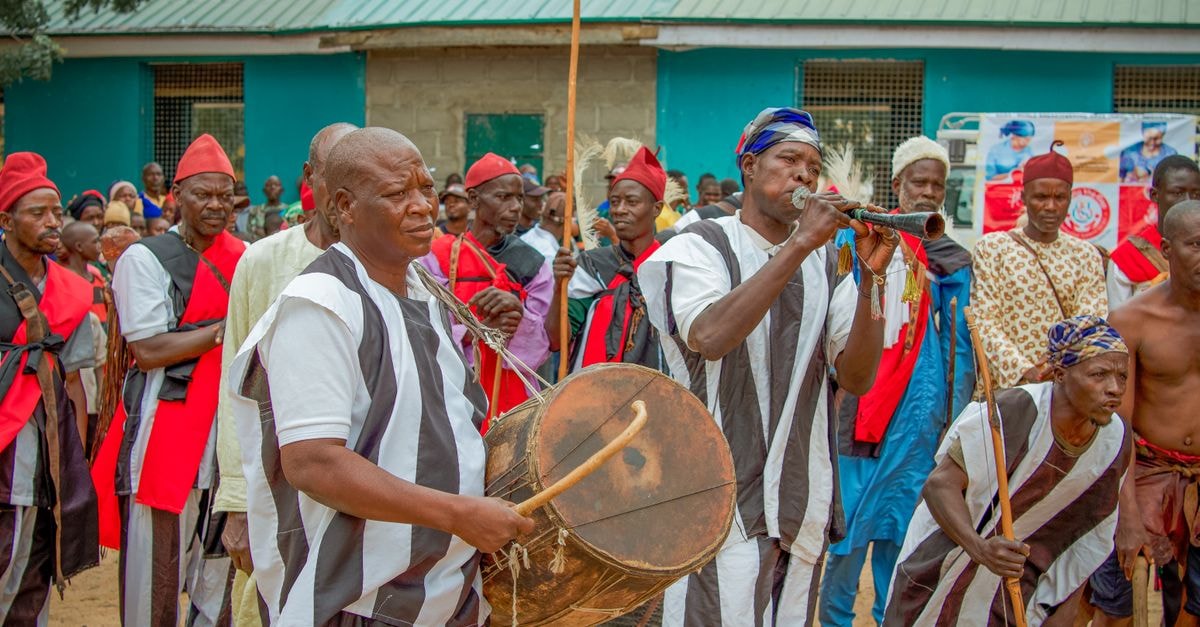
Ile-Ife's headline cultural draw is the sense of historical depth that radiates from the city as a whole. The Osun State official record describes it as an ancient Yoruba city in south-western Nigeria, a framing that captures both its age and its ongoing role as a cultural reference point. Visitors approach Ile-Ife less as a single monument and more as a layered landscape where shrines, museums, palaces, and craft traditions share the same horizon.
Among the most recognized formal attractions is the Natural History Museum of Nigeria, which sits within the city and offers a structured way to engage with the region's natural and cultural heritage. For travelers who like to anchor a heritage city visit in at least one museum, this is a useful starting point. Beyond that, the value of Ile-Ife lies in slowing down enough to read the city's details: the crafts sold by local artisans, the rhythm of palace-adjacent neighborhoods, and the cultural sites that punctuate the surrounding landscape.
Planning a visit benefits from a few considerations. The two-local-government administrative structure can help orient visitors and inform where certain attractions cluster. Because Ile-Ife experiences heavier rainfall in parts of the year, scheduling outdoor heritage walks for the cooler, drier parts of the day helps. Confirming opening hours and any local guidance for specific cultural sites directly with local contacts or official channels ahead of time is wise, since details can shift and current conditions are best verified close to travel.
A few final thoughts
Ile-Ife rewards travelers who arrive curious and leave unhurried. The weather is warm year-round with a clear wetter season and a more comfortable late-year window, the transport network is traditional rather than specialized, and the attractions lean into heritage rather than spectacle. Pack for humidity, plan around the rhythm of the day, and give the city room to reveal itself.
**Verification note:** Factual travel conditions can change over time. Currency values, transport availability, attraction access, and weather patterns should be confirmed through official local channels and current sources before departure.
Share this article
TOOLS FOR THIS PLAN
Make the Ile-Ife plan measurable
Choose a tool only when it answers the next question in your trip. Your values stay in the browser, and each tool offers a route back to this planning context.