A first impression of Iwo
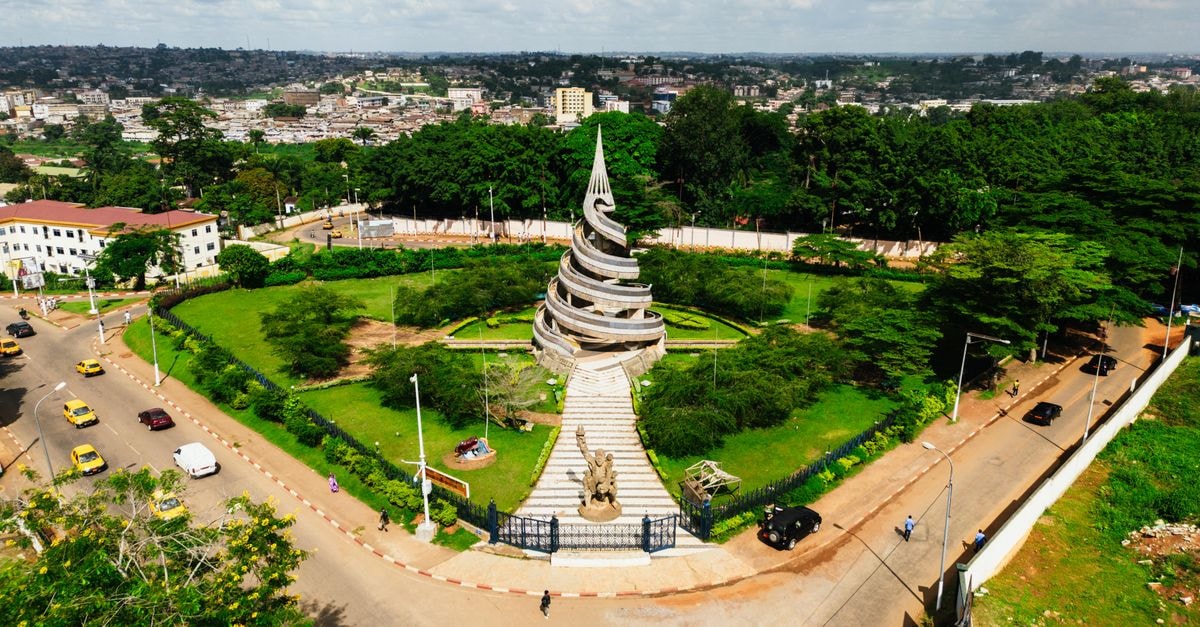
Iwo is a major city in Osun State and ranks among the largest urban centres in the state, which already tells you something about the pace you can expect. This is not a quiet heritage town in the postcard sense. It is a working city with busy streets, a layered religious landscape, and a strong tradition of cultural display. Visitors who enjoy places where daily life and ritual share the same sidewalks tend to settle into Iwo quickly.
Approach the city as a slow traveler, with room in your day for wandering, conversation, and the kind of side-of-the-road stops that rarely make it into a list. The attractions here are approachable rather than sprawling, and the rhythm of the town rewards unhurried attention.
Attractions and planning
The landmarks that define a first visit are spread across the religious, royal, and civic life of the city, which makes planning feel less like a checklist and more like a series of short neighbourhood walks.
The **Iwo Central Mosque** is one of the largest mosques in Nigeria, and it sits as a defining feature of the city's skyline and its soundscape. A visit here is as much about atmosphere as architecture, especially around prayer times when the surrounding streets fill with movement. The **Iwo Cathedral**, the Anglican cathedral, offers a different visual register and a quieter interior, and it is natural to pair the two as a single half-day of architectural contrast. The **Oluwo of Iwo's Palace** is the traditional palace and the seat of the city's traditional ruler, a useful stop for understanding how royal authority continues to shape local identity. **Bowen University Teaching Hospital** is a major medical campus and a recognised landmark on the city map.
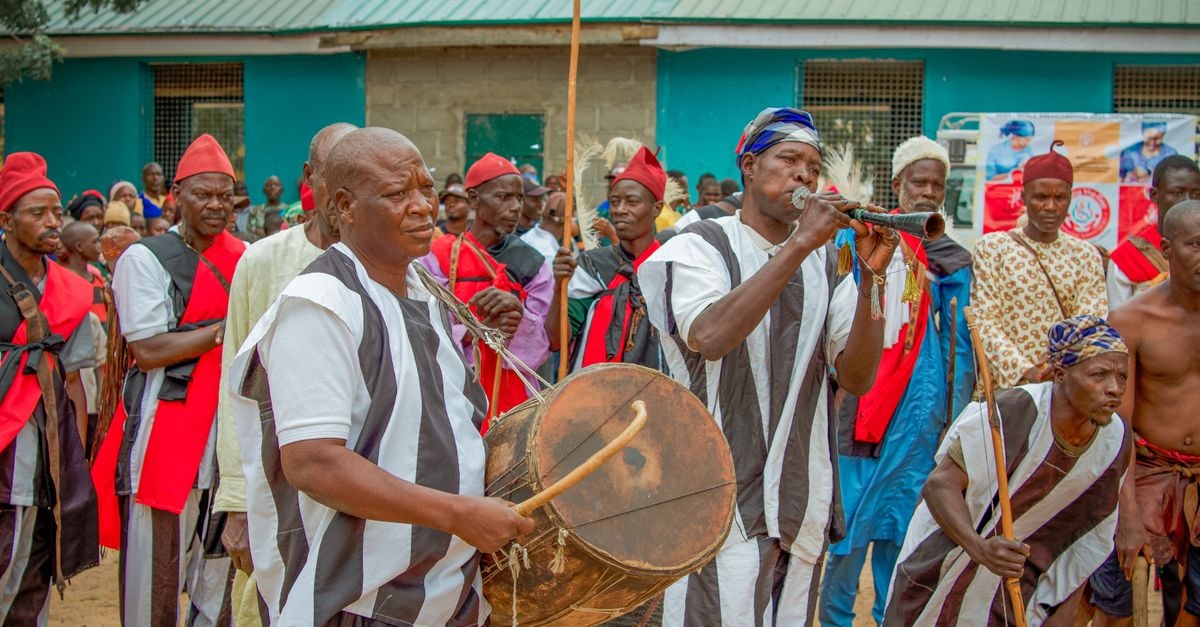
Beyond the buildings, three experiences tend to anchor most travelers' itineraries. The simple pleasure of visiting the Central Mosque and Cathedral as paired architectural landmarks lets you move between Islamic and Christian sacred space within a short drive. Attending the **Iwo Cultural Festival** puts you inside the parades and traditional displays that sit at the heart of the city's self-image, and it is one of the clearest windows into local identity you will find here. Shopping at **Iwo Market** is its own form of sightseeing, a place to read the city's everyday economy.
The broader list of places to explore in and around the city is typically framed around the **Iwo Palace**, the **Ojude Oba Festival**, and the **Olu Ode Falls**. The palace is the same traditional seat mentioned above and worth understanding in its festival context as well. The Ojude Oba Festival is a recurring cultural gathering that, like the Iwo Cultural Festival, gives visitors a reason to think about local display rather than imported schedules. The Olu Ode Falls is a natural counterpoint to the urban landmarks and offers a different texture for a half-day.
If you are the kind of visitor who prefers to anchor a city around one major cultural event rather than ticking off monuments, consider the possibility of timing your visit to coincide with one of the recognised festivals so the rest of your days can fall into a relaxed orbit around it. Travelers who prefer architectural and sacred-site comparison in a compact radius may find the mosque-and-cathedral pairing especially satisfying, since both are central landmarks and can be appreciated within a single unhurried morning.
Food and local context
Iwo sits comfortably within Nigerian food culture, so visitors who already enjoy local staples will find familiar ground, and those who are new to it can use the city as an easy introduction.
The food in Iwo is diverse, ranging from traditional dishes to modern cuisine, which means you can move between street-side plates and more conventional restaurant settings without difficulty. Rice and beans is one of the city's staple dishes, often served with a spicy tomato-based sauce, and it functions as a kind of everyday anchor that you will encounter across different kinds of eateries. It is a practical choice for travelers who want something filling, widely available, and recognisably local on the first day.
For travelers who prefer to eat close to where they spend the day, the natural pattern in Iwo is to graze rather than to formalise every meal. Markets and street food are part of the sightseeing, not a break from it. If you have dietary preferences or are new to the heat levels of Nigerian cooking, the spicy tomato-based sauce that often comes with rice and beans is worth approaching gradually.
A note before you go
A few practical details are worth confirming close to your travel dates, since factual conditions on the ground can change. Because events such as the Iwo Cultural Festival and the Ojude Oba Festival are recurring but held on specific dates each cycle, it is worth checking their timing and any public-access arrangements in advance through local contacts. Likewise, current visiting hours and local protocols for the Central Mosque, the cathedral, the Oluwo's Palace, and the area around Olu Ode Falls are best verified with local contacts before you set out, rather than assumed. Official tourism channels and on-the-ground advice from your accommodation are the most reliable sources for these details. Treat the food and market notes above as a starting point rather than a fixed menu, and pace yourself with water and rest, especially during the warmer parts of the day. Travel conditions in the country can shift quickly, so a brief check with official sources before departure is always worthwhile.
Share this article
TOOLS FOR THIS PLAN
Make the Iwo plan measurable
Choose a tool only when it answers the next question in your trip. Your values stay in the browser, and each tool offers a route back to this planning context.