Ilesa at a glance

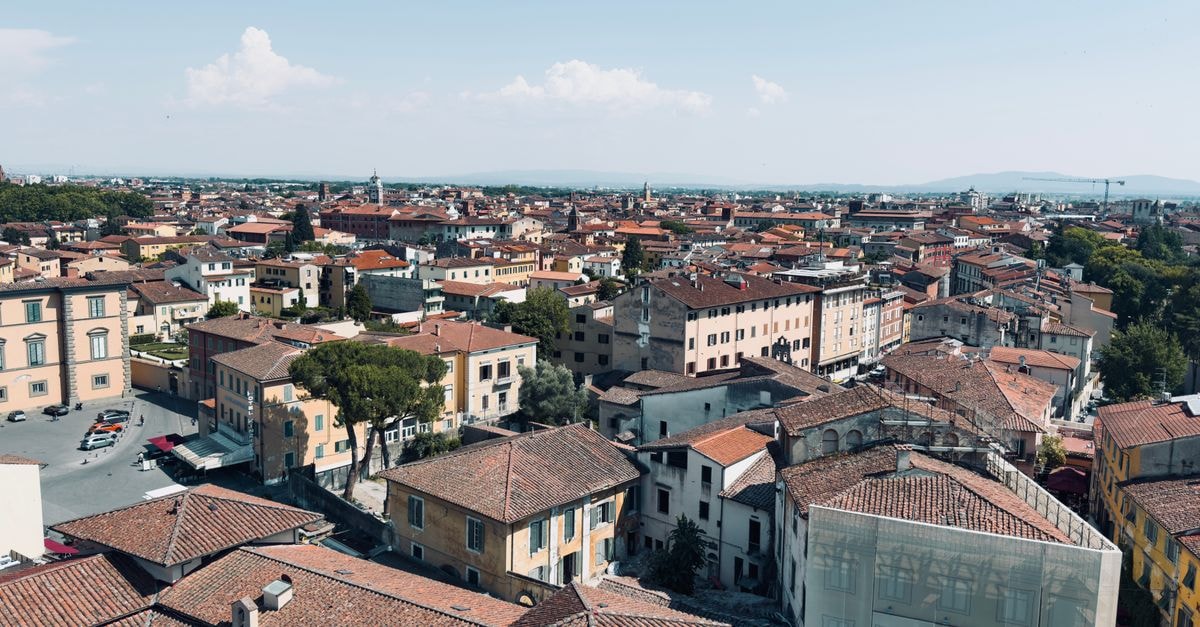
Ilesa is one of those places that travellers arrive at almost by accident, then realise they want to understand properly. It sits in Osun State as a major city that has long been treated as a gateway rather than a final destination, linking the south, north, and eastern stretches of Nigeria. That crossroads identity gives the town a constant hum of movement, with traders, students, and visitors passing through on the way to Ile-Ife, Akure, and Osogbo, which meet at road junctions around the city.
It is also the headquarters of Ijeshaland, giving it the largest township in that historic Yoruba region. The cultural pull is real, with references to traditions and heritage woven into the fabric of daily life, and local narratives often highlighting the area's long-standing association with gold as part of its broader economic story. For visitors, that combination of strategic location and rooted identity is the thread to pull on.
Getting around
A question that any first-time visitor to Ilesa ends up asking is whether the city is the destination or a springboard. The honest reading of the evidence is that it works as both, and the answer depends on how much time you allow. Because the city sits at an intersection of roads leading to Ile-Ife, Akure, and Osogbo, it is naturally used as a base for short onward trips. It is treated as a destination when visitors slow down to engage with its heritage sites, markets, and surrounding natural scenery.
On safety, the consistent guidance is to treat Ilesa with normal regional caution. Petty theft can occur, and occasional unrest has been noted in the wider area, so standard precautions apply: keep valuables close, use familiar routes at night, and check in with locals or your host about the mood of the day. There is nothing dramatic to plan around, just the steady awareness that any busy crossroads city in Nigeria benefits from a careful approach.
Practical transport choices inside the town itself lean on shared taxis, motorcycles for shorter hops, and walking in the denser commercial pockets. The road connections are the city's quiet advantage, and they are the reason many itineraries include Ilesa in a wider Osun loop rather than as a standalone stop.
Attractions and planning
The most honest way to plan Ilesa is to lead with its identity as a strategic gateway city in Osun State. Its position has shaped everything from its markets to its road culture, and that story is visible the moment you arrive. Visitors who enjoy tracing how a place's geography has shaped its economy tend to find a lot to work with here, from the flow of goods to the meeting of different Yoruba sub-regions.
Beyond that gateway framing, the city sits within a rainforest zone known for its agricultural potential. That translates into a working landscape of farms, plantations, and green approaches on the city edges, which is part of the visual texture of any stay. If your travel style leans toward markets and food sourcing, the agricultural backbone of the area is one of the more genuine draws.
For cultural depth, Ilesa's role as the capital of the Ijesha kingdom and the largest township in Ijeshaland gives visitors a clear anchor. The city's identity is tied to Yoruba traditions and heritage, and the visible markers, from palace grounds to festival rhythms, reward travellers who slow down rather than rush through. The reference to gold resources in local histories adds another layer, framing the city as both a cultural and economic reference point in the region, even when visitors only see the surface traces of that history.
Because the city is best read as both a place in its own right and a launchpad, a useful planning frame is to allow time for unhurried exploration on foot in the core, plus at least one half-day for the surrounding area. The roads make onward movement easy, but the city's own texture deserves its own hours.
When to visit
Local travel writing typically points to the dry months, from November through February, as the most comfortable window for moving around Ilesa and its surroundings, especially for market visits and outdoor stops. Outside that window, the rainforest climate can typically feel wetter and more humid, and travel days can be paced more slowly. Travellers who do not mind occasional rain and enjoy green landscapes can still find the city rewarding outside the dry season, with the trade-off being more flexible days and fewer crowds.
A final note before you go
Ilesa rewards travellers who treat it as a living crossroads rather than a checklist stop. Plan around its identity as a gateway, respect the standard regional safety guidance, and let the rainforest climate set the pace of your days. Check current conditions through local contacts and official channels before departure, as road access, market activity, and regional advisories can shift, and confirm any specific visits or bookings close to your travel date.
Share this article
TOOLS FOR THIS PLAN
Make the Ilesa plan measurable
Choose a tool only when it answers the next question in your trip. Your values stay in the browser, and each tool offers a route back to this planning context.