A first impression of Interlaken
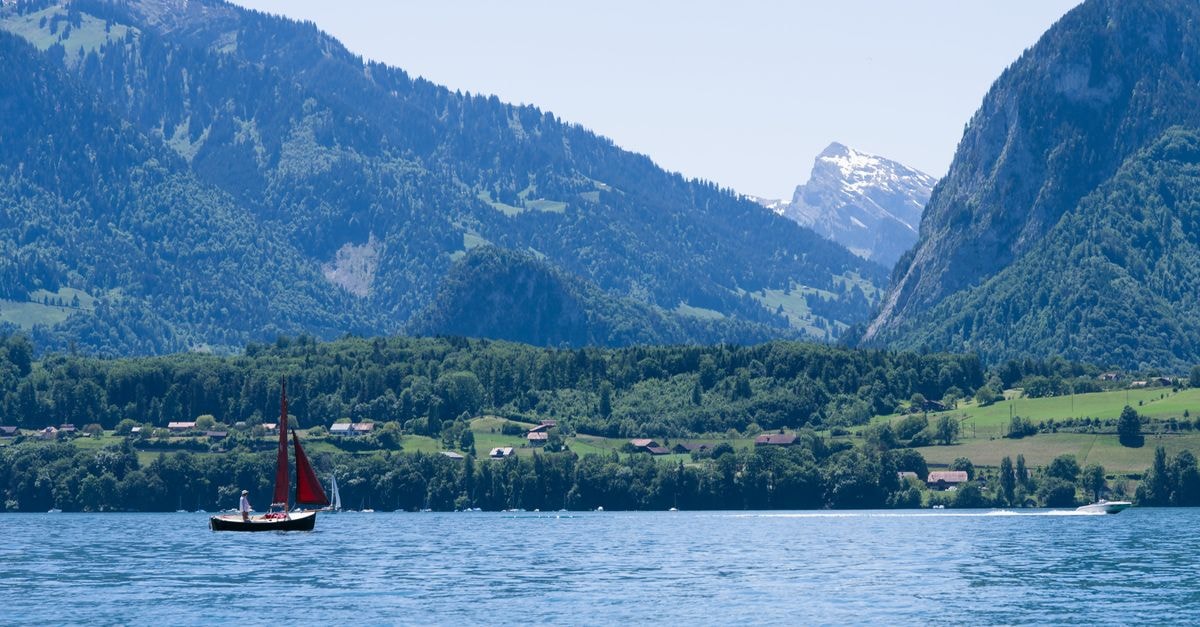
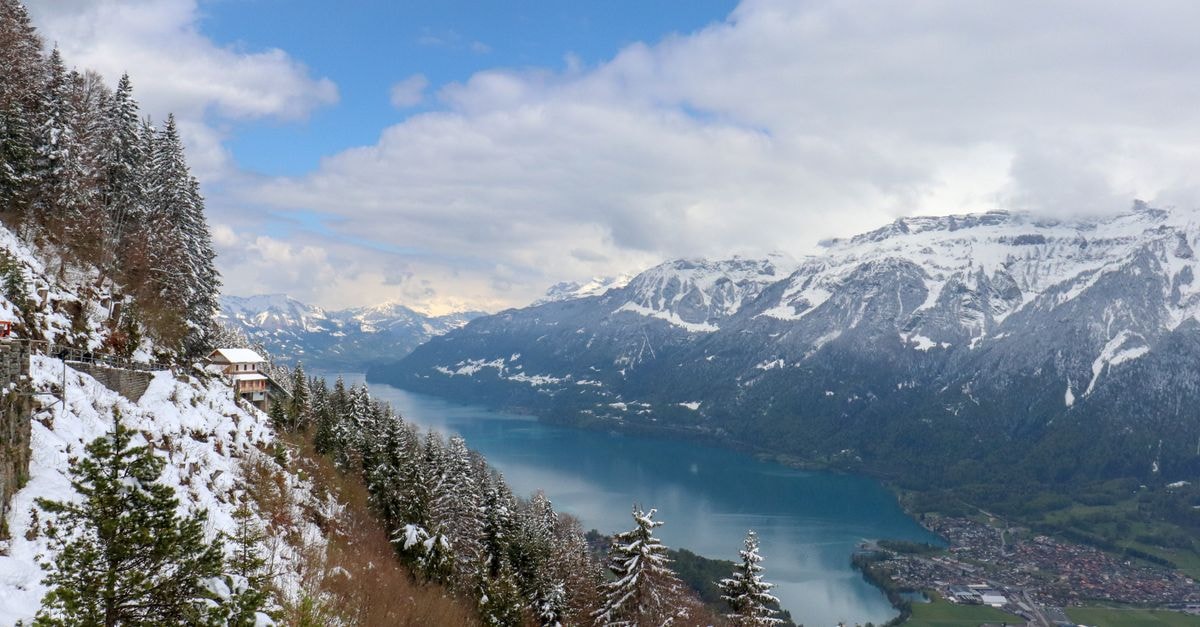
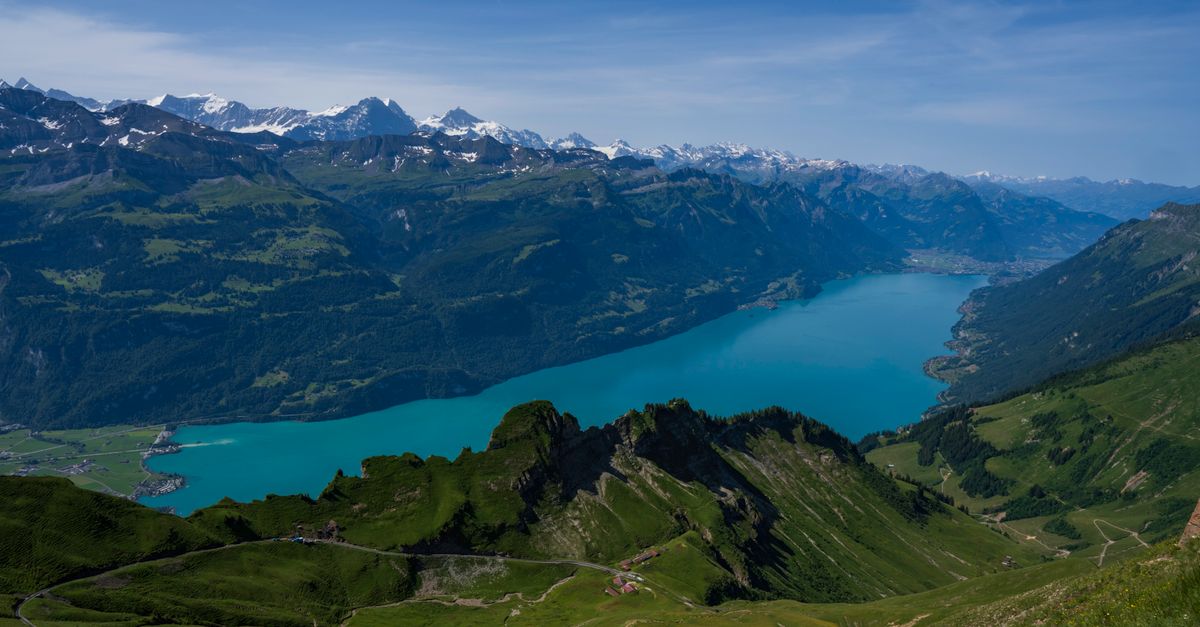
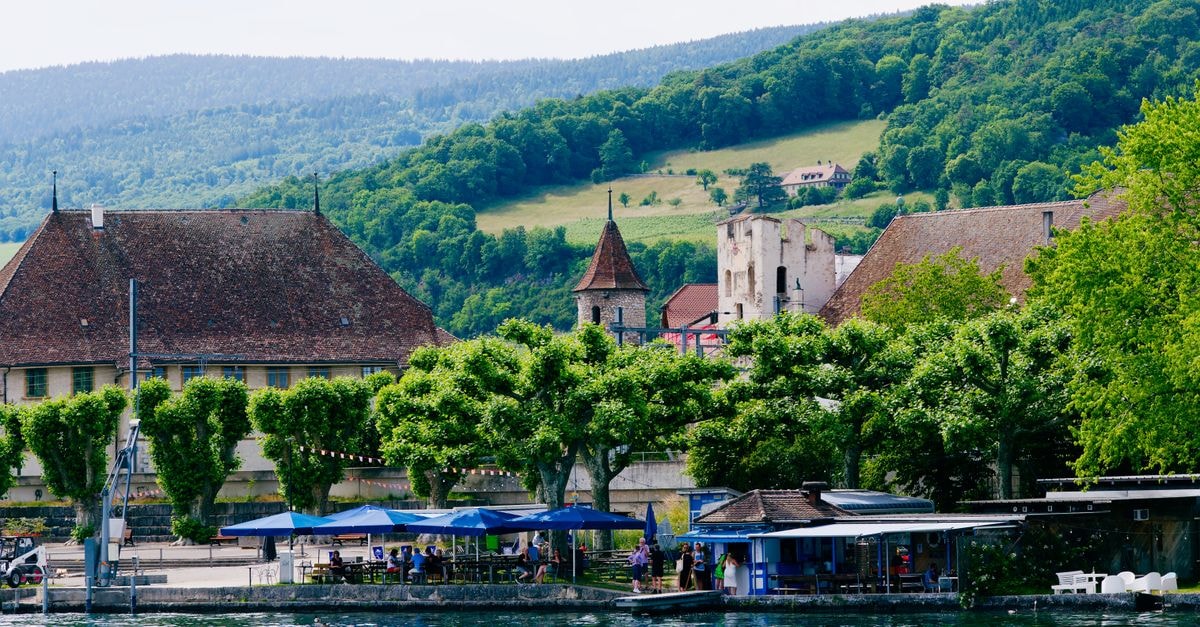
Interlaken has one of those settings that quietly rearranges your sense of scale. The town sits between two turquoise lakes, with the Eiger, Mönch and Jungfrau rising along the skyline above it. Even before you learn a single place name, that combination of water, valley floor and high peaks gives the place its rhythm: a small, walkable base where the mountains never feel far away.
This guide leans into two things the evidence actually supports. The first is the seasonal and atmospheric frame of being in the valley between lakes and peaks. The second is the wider Swiss culinary context a visitor is likely to encounter, from everyday menus to high-altitude Bergrestaurants. If you are planning a visit and want a grounded sense of what to expect at the table and how the landscape shapes the mood of the town, the sections below should help you arrive feeling oriented.
Weather and seasonal context
Interlaken sits in a deep valley, and that geography does most of the talking when it comes to weather. Because the town lies between two lakes and looks up toward the Eiger, Mönch and Jungfrau, conditions can feel layered: pleasant in the valley, changeable as your eye travels up toward the snowline. Mornings can start cool and still, afternoons can shift quickly, and evenings often cool down faster than you expect once the sun leaves the valley floor.
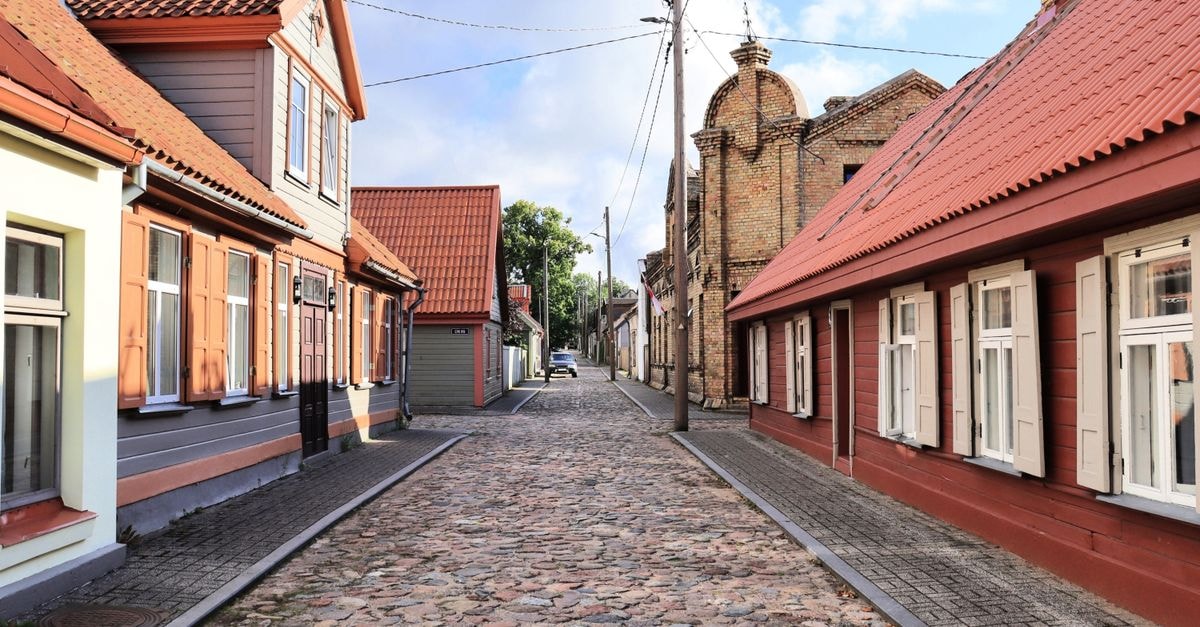
That kind of layering tends to reward a flexible approach to the day. Layers you can add or peel off, a compact rain layer in your daypack, and shoes that handle both lakeside paths and cobbled streets will generally serve you well. The classic Interlaken experience is really about reading the light on the peaks and the color of the lakes, so giving yourself unhurried moments to do that — rather than rushing from one scheduled stop to the next — tends to make the weather feel like part of the trip rather than an obstacle.
Because conditions can change with elevation and time of day, anyone planning time at higher altitudes should expect a noticeably different feel from the valley. The thinner air and cooler temperatures closer to the peaks are part of the appeal, not a downside, but pacing the day so that high-altitude time is balanced with easier valley-level wandering helps the whole visit feel more relaxed.
Food and local context
Food in Switzerland reflects the country’s crossroads position. Swiss cuisine has been shaped by culinary influences from Germany, France and northern Italy, layered on top of varied farming traditions and the country’s different climatic conditions. That means a single trip can move from alpine comfort food to lighter, more Mediterranean-influenced plates without ever crossing a border, and Interlaken visitors tend to encounter that range in everyday menus. Cheese-based dishes, hearty potato preparations, cured meats, breads and pastries are common touchpoints, often paired with the regional approach to dairy that defines so much of Swiss home cooking.
It also helps to know that Switzerland’s culinary landscape splits into four distinct language regions, each with its own accents and traditions. In a town like Interlaken, which draws visitors from across the country and well beyond it, that regional patchwork shows up most clearly in the variety of what is on offer rather than in a single dominant local specialty. Rather than hunting for one canonical dish, it is often more rewarding to treat meals as a way to read the country’s geography: a heavier, alpine-leaning plate one day, a lighter, more vegetable-forward menu the next.
One category worth knowing by name is the Bergrestaurant. Bergrestaurants are mountain restaurants, often at higher elevations, where the setting itself becomes part of the meal. They tend to combine familiar Swiss comfort dishes with views that justify a slower pace and a longer table sitting. If a relaxed, scenery-forward meal sounds appealing, building at least one Bergrestaurant stop into a visit can be a good way to anchor the food half of the trip. Travelers who prefer to stay closer to the valley floor, or who would rather not plan around elevation, can find plenty of satisfying meals at lower altitudes as well — the point is simply that high-altitude dining is a recognized part of the broader Swiss food culture that visitors to Interlaken may come across.
For independent travelers who like to combine a small amount of planning with plenty of room to wander, the food scene here tends to reward curiosity over checklists. A short walk between a lakeside café and a traditional inn can easily produce two very different impressions of Swiss cooking in the same afternoon.
Choosing what fits the trip
A short note on how to weigh the two threads of this guide against your own travel style. If your main interest is the landscape — the turquoise lakes, the long views toward the Eiger, Mönch and Jungfrau, the way the valley changes color through the day — lean into slow, flexible time in and around town, with weather layers and an unhurried pace. If your main interest is the food and cultural texture, use the Bergrestaurant idea as a focal point while leaving room for the everyday menus that reflect influences from Germany, France and northern Italy. Many travelers will want a bit of both, and that balance is usually the most rewarding way to experience Interlaken.
A final note before you go
Travel conditions, opening patterns, menu availability and prices can change. Treat the points above as a grounded starting frame rather than a live confirmation, and check official Swiss tourism and transport channels closer to your trip for the details that matter for your specific dates. Currency rates, when relevant, are only a reference and should be checked at the live rate before any exchange.
Prices, opening hours, schedules, reservation rules, and local conditions can change; verify them through official channels before departure.
Share this article
TOOLS FOR THIS PLAN
Make the Interlaken plan measurable
Choose a tool only when it answers the next question in your trip. Your values stay in the browser, and each tool offers a route back to this planning context.