A first look at Ishigaki

Ishigaki sits at the southern end of the Ryukyu arc, closer to Taiwan than to mainland Honshu, and it wears that geography lightly. Days here tend to feel salt-edged and unhurried, with a coastal light that softens the edges of everything from harbor cranes to the limestone hills in the interior. For travelers who like the texture of a place more than a checklist of attractions, Ishigaki offers an appealing counterweight to Japan's busier urban stops. You arrive by plane, step out into warm, humid air, and the day already feels like it has slowed by a few beats.
This guide focuses on the practical layer that tends to come up first: what the climate can feel like, how to move between the airport, the port, and the island's scenic points, where a sunset naturally takes care of itself, and where a single memorable meal can anchor an evening.
Weather and seasonal context
The climate of Ishigaki is shaped by its subtropical position, and that has real implications for how a visit can feel. Even at the calmer end of the calendar, daytime temperatures tend to sit in the high twenties Celsius, and humidity is part of the daily rhythm. Heat, sun, and sudden tropical showers are all part of the picture, so pacing the day around the strongest midday sun often makes the experience more comfortable than racing through it.
Because the island is a year-round destination, hotel pricing on Ishigaki tends to shift meaningfully with the season. The same property can feel like a very different purchase depending on when you book, so it pays to think of timing as a budget choice as much as a weather choice. Travelers who can flex their dates around peak demand windows often find more breathing room in their overall spend.
A few evergreen habits help in any month: light breathable layers, reef-safe sunscreen, a reusable bottle, and an acceptance that the weather here is part of the experience rather than something to outmaneuver. Build the day around shade and sea breezes, and the warmth becomes an asset rather than an obstacle.
Getting around
Ishigaki Airport is the main arrival point, and it sits conveniently close to the island's transport spine. From the airport, the Ishigaki Port Ferry Terminal is around 25 minutes by taxi-style transfer, with fares published in the region of 5,800 JPY for that route, and travel times that can vary depending on the specific route taken and traffic conditions at the time. If you are heading onward by ferry to neighboring islands, that ferry terminal is the natural hub.
For travelers who prefer to keep things simple, the Azuma bus offers a discounted round-trip ticket that links the airport with Ishigaki Port or the Bus Terminal. It is a useful option for budget-conscious visitors who want to land, drop bags, and start exploring without committing to a private transfer. Public and tour buses on Ishigaki Island connect the airport with scenic spots and essential sites around the island, including routes that reach well-known coastal points such as Kabira Bay. That makes bus travel a realistic choice for at least part of an itinerary, especially on days when you are not in a rush.
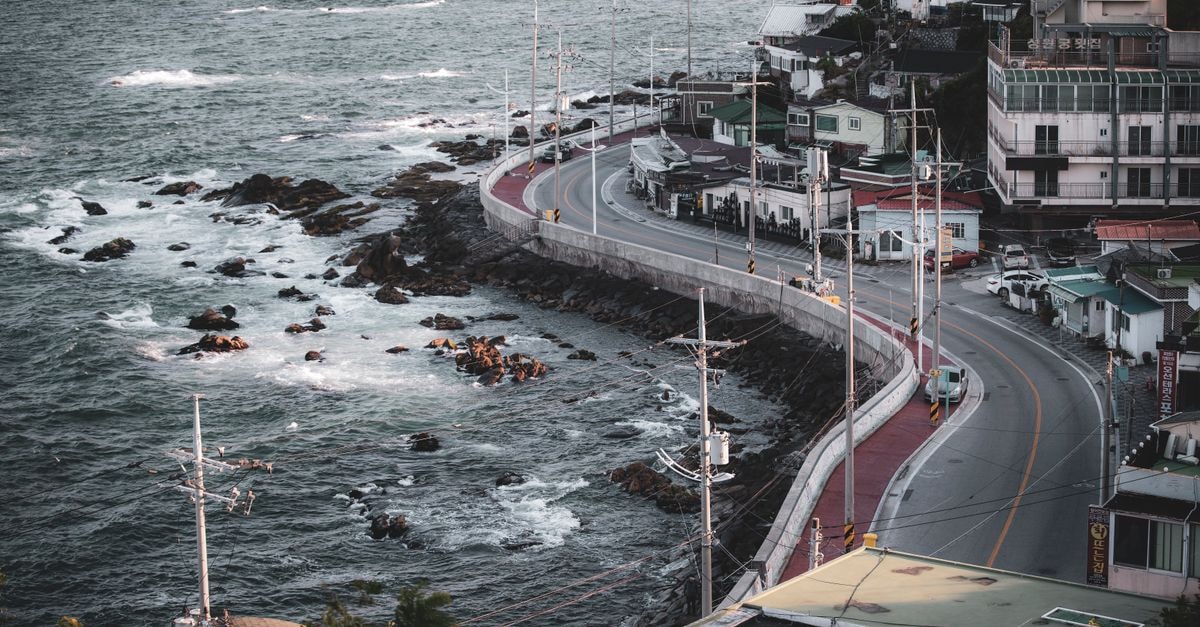
A practical pattern many visitors settle into is a mix of bus for daytime scenic moves and a taxi or reserved car for the looser parts of the day. Whatever you choose, the island is compact enough that you will rarely spend long in transit, and the routes themselves, with glimpses of cattle pastures, sugar cane, and limestone outcrops, are part of the sightseeing.
Attractions and planning
Ishigaki sits within the broader Iriomote-Ishigaki National Park, which frames much of what the island offers. That park status signals the kind of landscape you are here to enjoy: clear coastal waters, reef systems visible from the shore, and interior greenery that feels closer to a tropical island than to mainland Japan. You do not need to be a hiker or a diver to appreciate it; even short coastal walks reward you with that color of water that people travel long distances to see.
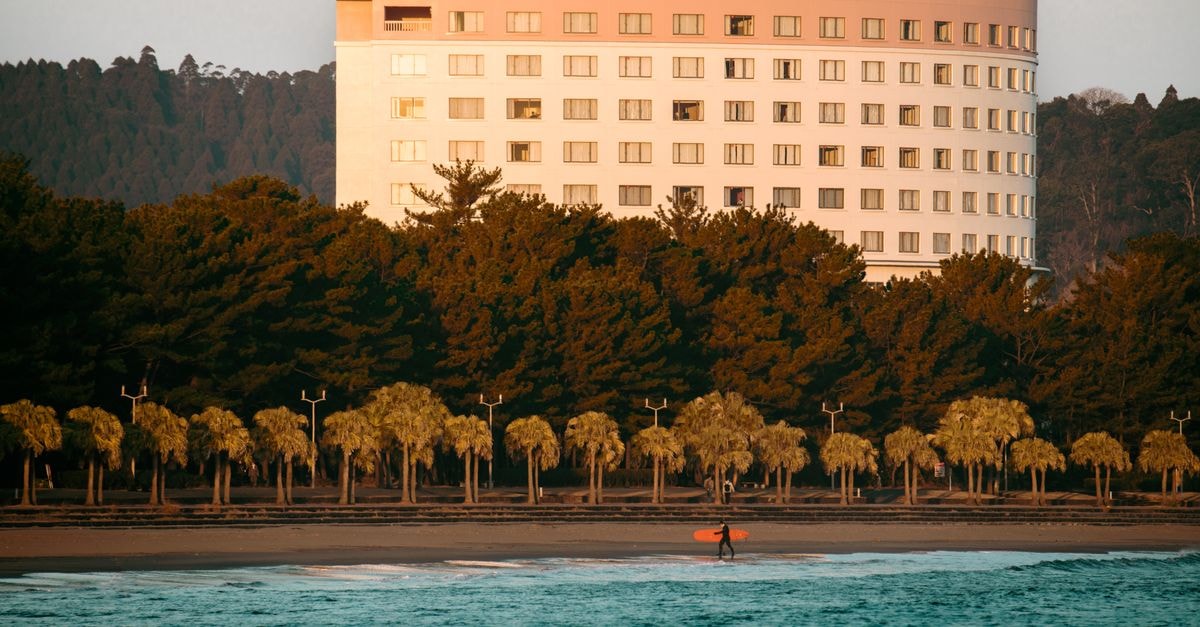
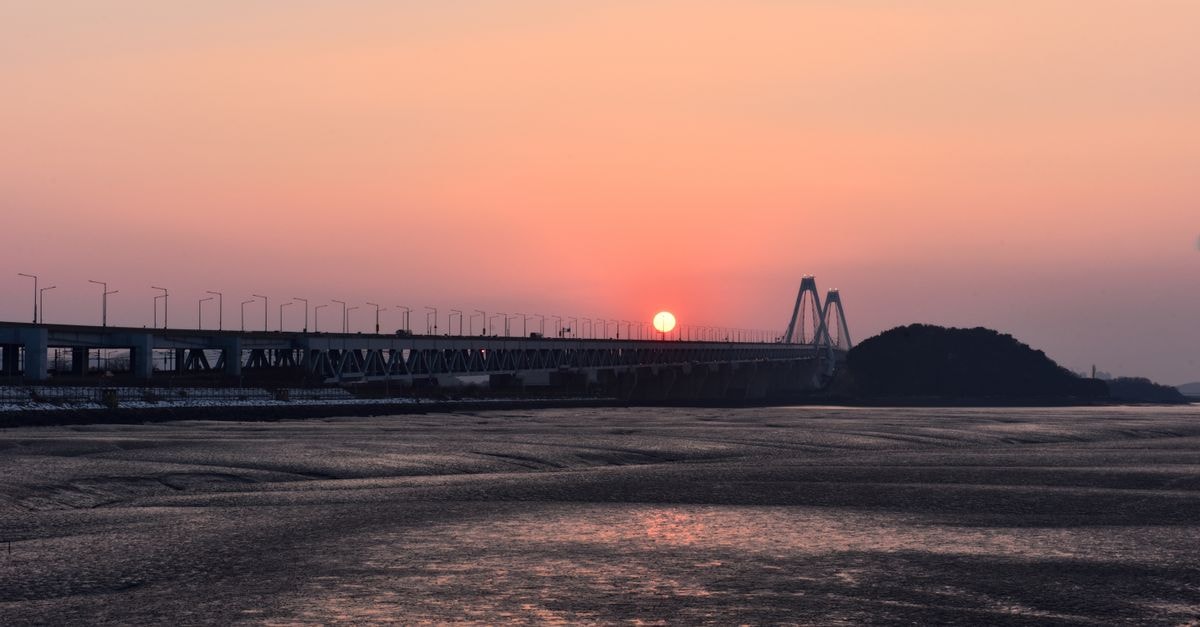
One of the easiest natural anchors for an Ishigaki trip is Ishigaki Sunset Beach in the far north of the island. Its name is not a marketing flourish: the beach is positioned so that the sunset reads cleanly over the water, which means an evening here tends to deliver the kind of view that doesn't need any help. It works equally well as a quiet moment alone with a towel and a drink, or as the gentle endpoint of a day spent exploring the northern coast. Because it sits in the far north, it pairs naturally with a slow loop up the western or northern side of the island.
Beyond the headline scenic stops, the pleasure of Ishigaki is in its unhurried geography. Distances are short, the roads are easy, and there is little pressure to pack the day. If you build in one or two anchored moments, like a sunset beach evening or a long coastal drive, the rest of the schedule can stay open without feeling wasted.
Food and local context
Ishigaki has a small but confident food scene, and the dish most visitors encounter first is Ishigaki beef, beef that is fattened on the island itself. That local provenance gives it a clear identity, and several restaurants on the island have built their reputation around how it is handled in the kitchen.
One name that comes up repeatedly is Kabiratei, where the signature offering is a smoked Ishigaki beef steak. The restaurant frames its cooking around premium cuts of Ishigaki and Misaki beef, prepared as creative dishes, and positions the experience as a meal worth treating as an occasion. For travelers who want one proper sit-down Ishigaki meal that feels specific to the island, this is a natural candidate to plan around. Treat it as you would any destination restaurant: book ahead where you can, allow time to enjoy the pacing of the menu, and resist the urge to rush on to the next sight.
Outside that headline experience, the island's coastal position means fresh island produce and seafood turn up across smaller spots and izakaya-style menus. A relaxed way to approach eating in Ishigaki is to alternate between one planned dinner and a few looser, walk-in meals, letting the day rather than a checklist decide what you are hungry for.
A short note on practicalities: prices across the island are generally in Japanese yen, and while cards are accepted in many established venues, smaller spots sometimes prefer cash. Keep some yen on hand for buses, taxis, and casual meals.
A practical note before you go
Ishigaki rewards travelers who treat it as a place to settle into rather than a list to clear. Build your days around two or three anchors, leave room for slow coastal hours, and let the island's subtropical pace do some of the work for you.
Travel conditions, transport timetables, and opening details can change, so it is always worth checking official sources and your accommodation's current advice before you depart. Treat this guide as a starting frame for your planning rather than a final answer.
Share this article
TOOLS FOR THIS PLAN
Make the Ishigaki plan measurable
Choose a tool only when it answers the next question in your trip. Your values stay in the browser, and each tool offers a route back to this planning context.