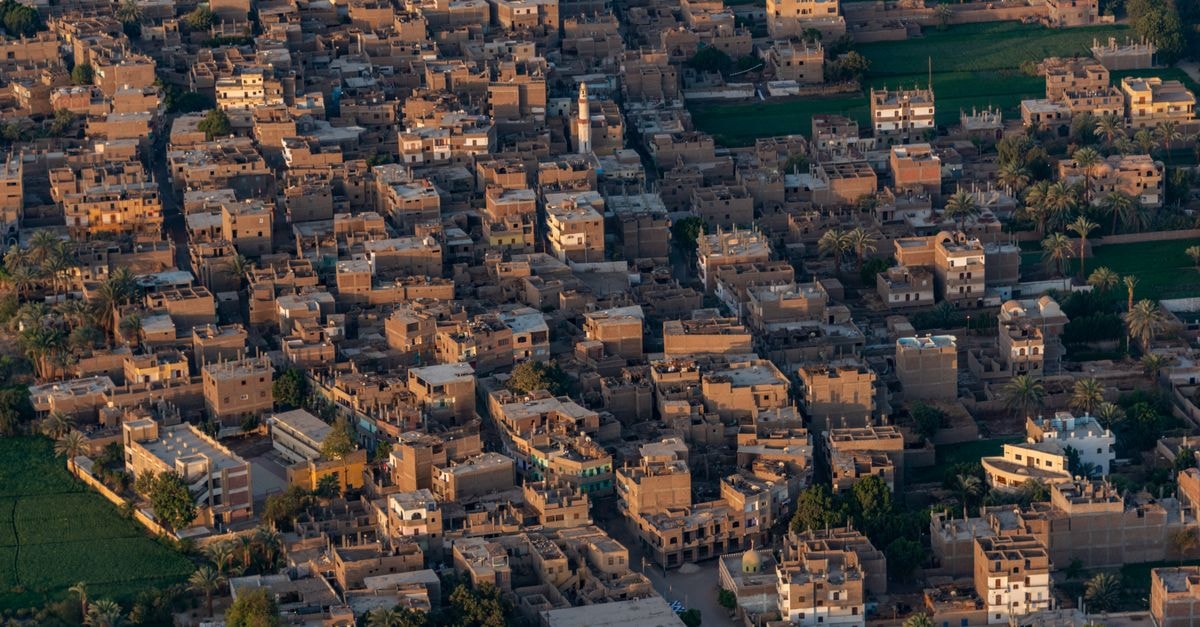
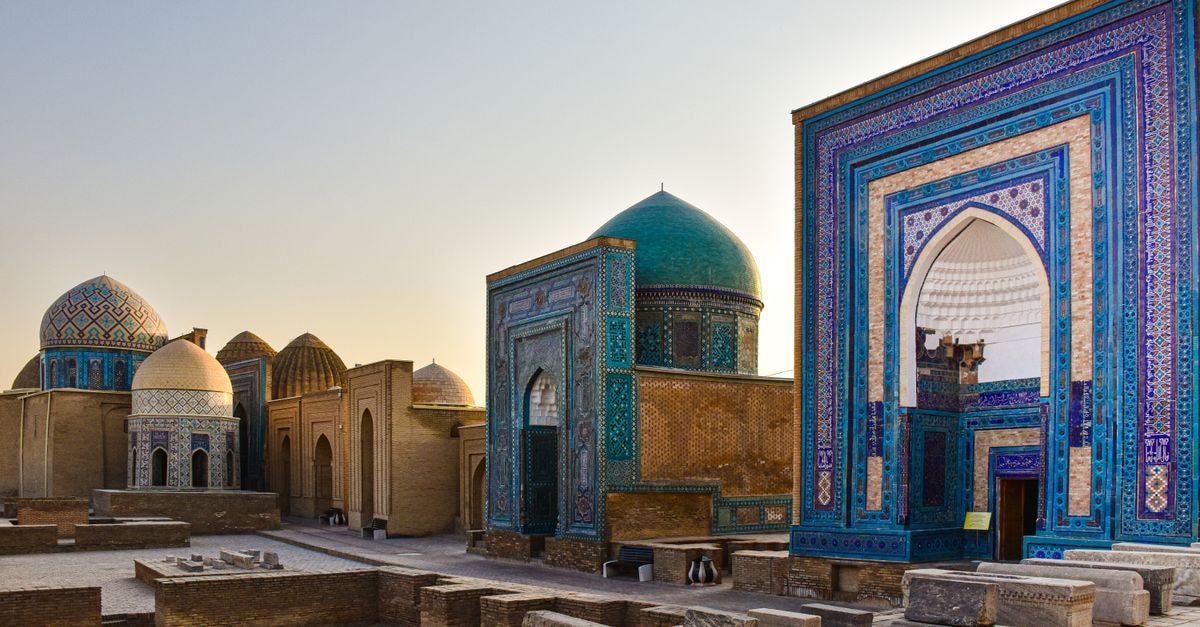
Setting the scene in Jalalabad
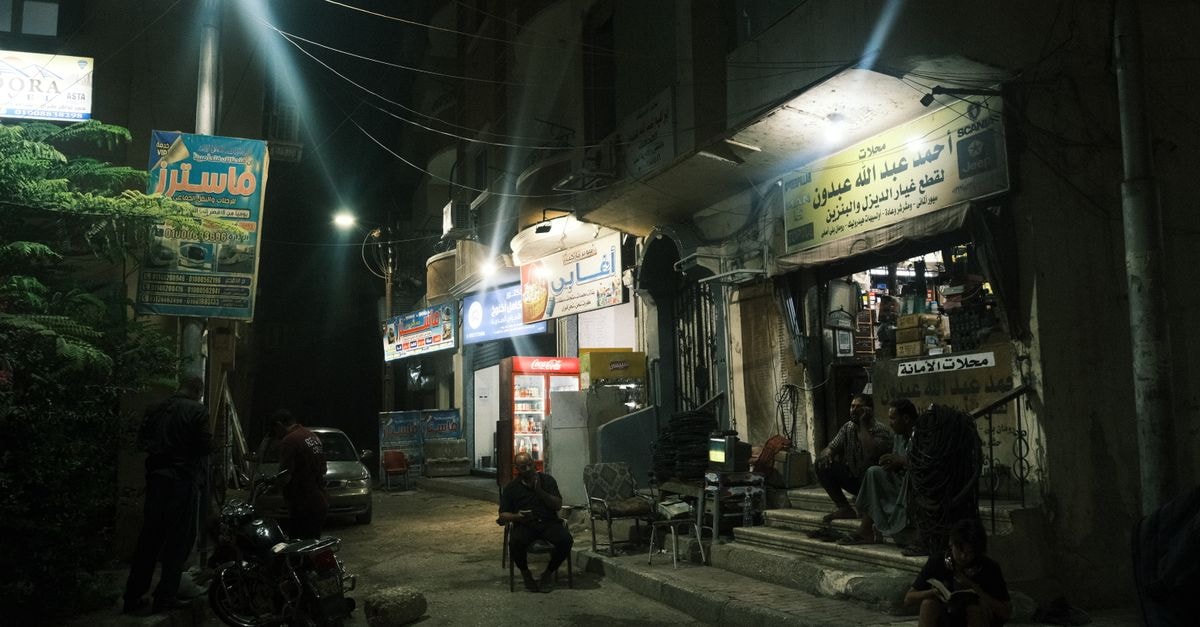
The mood blends Afghan hospitality with Mughal-era architecture and the kind of dramatic landscape that keeps pulling your eyes toward the horizon. For travellers who arrive curious about layering cultures and looking for a destination with genuine historical depth, Jalalabad offers that sense of arrival you cannot quite manufacture elsewhere.
Weather and seasonal context
One of the first things visitors tend to notice is the heat. Jalalabad is noticeably hotter than Kabul in every season, so dressing light is a sensible instinct the moment you cross the provincial border. Lightweight fabrics, a hat and steady hydration make ordinary sightseeing far more pleasant, especially if you plan on lingering in open-air markets.
The city is widely described as offering rewarding seasonal windows, with documented reports of harvest festivals such as the melon festival and clearer skies softening the surrounding hills into broad views. The bazaars hum during harvest periods, and the city's reputation as a Silk Road hub feels especially alive against the warm light.
For those sensitive to heat, consider shaping your day around the cooler hours. Early mornings and the period after late-afternoon prayers tend to be the most comfortable for wandering the old city's lanes, while the strongest midday sun is better spent resting or visiting indoor sites. Travellers who enjoy atmospheric markets may want to time their bazaar visit for the late afternoon, when the spice and textile stalls feel at their most animated.
Getting around
Jalalabad is well-connected by road to two of the region's most significant cities. It is linked by an approximately 90-mile highway with Kabul to the west and about the same distance with Peshawar in Pakistan to the east, a position that has shaped its identity for centuries. Coaches can be a practical option for travellers moving between these hubs, with tickets typically bought at the coach office or from the departure point in the city centre. Because schedules in this part of the country can be limited and irregular, booking in advance where possible is a useful habit, and it is always wise to check current airline or coach schedules before committing to a route.
Within Jalalabad itself, the geography is friendly on foot, particularly around the bazaar district where most of the daily texture of the city unfolds. The riverside setting also makes short walks between landmarks feel natural rather than forced, and travellers who like to absorb a city at walking pace may find this an easy place to do so. If you prefer to keep your days flexible, leaving room in your itinerary for slower strolls through the old lanes often rewards you more than racing between set sights.
Attractions and planning
Jalalabad's layered past shows up not only in its markets but also in its monuments. The Tomb of Amānullāh Khān is one of the city's most meaningful historical stops. Amānullāh Khān was the sovereign of the Kingdom of Afghanistan from 1919 to 1929, ruling first as Emir and, after 1926, as Malik (king). The site offers a moment of reflection on the modern Afghan story and pairs naturally with the broader Silk Road atmosphere of the surrounding city.
Planning around this monument is straightforward, but pairing it with a slow wander through the bazaars really brings the trip together. Travellers who enjoy history may want to anchor a morning around the tomb before easing into the lanes of the old city, where spice merchants and textile vendors create an atmosphere reminiscent of markets further east. The blend of Afghan hospitality, Mughal-era architecture and the quiet hum of commerce tends to leave a longer impression than any single monument on its own.
Because visitor services in this region can change quickly, it is wise to confirm opening arrangements locally before setting out for any specific site.
Choosing what fits your trip
For travellers who love layering cultures and historic trade routes, Jalalabad tends to reward those who treat the city as a living chapter rather than a checklist. If you are sensitive to heat, schedule outdoor time for the cooler hours and build rest into the day; if you are drawn to atmospheric markets, the bazaars come alive in late afternoon. History-focused visitors will find the Tomb of Amānullāh Khān a natural anchor, while road-trippers using Jalalabad as a stop between Kabul and Peshawar can use the city as a comfortable pause to soak up the Silk Road atmosphere without overcommitting. Consider pacing the visit around what you most enjoy, and let the city's layered character fill the gaps.
A note before you go
Factual travel conditions in this part of Afghanistan can change quickly. Coach and airline schedules in particular are limited and can be irregular, so it is worth checking current services and any local advisories before departure. Treat the climate notes above as a general guide rather than a guarantee, and confirm specific details through official channels as your travel dates approach.
If you have a particular site in mind, such as confirming opening hours for the Tomb of Amānullāh Khān before visiting, checking with local contacts or official sources on arrival is the most reliable approach.
Share this article
TOOLS FOR THIS PLAN
Make the Jalalabad plan measurable
Choose a tool only when it answers the next question in your trip. Your values stay in the browser, and each tool offers a route back to this planning context.