Where Isfara Sits in the Bigger Picture

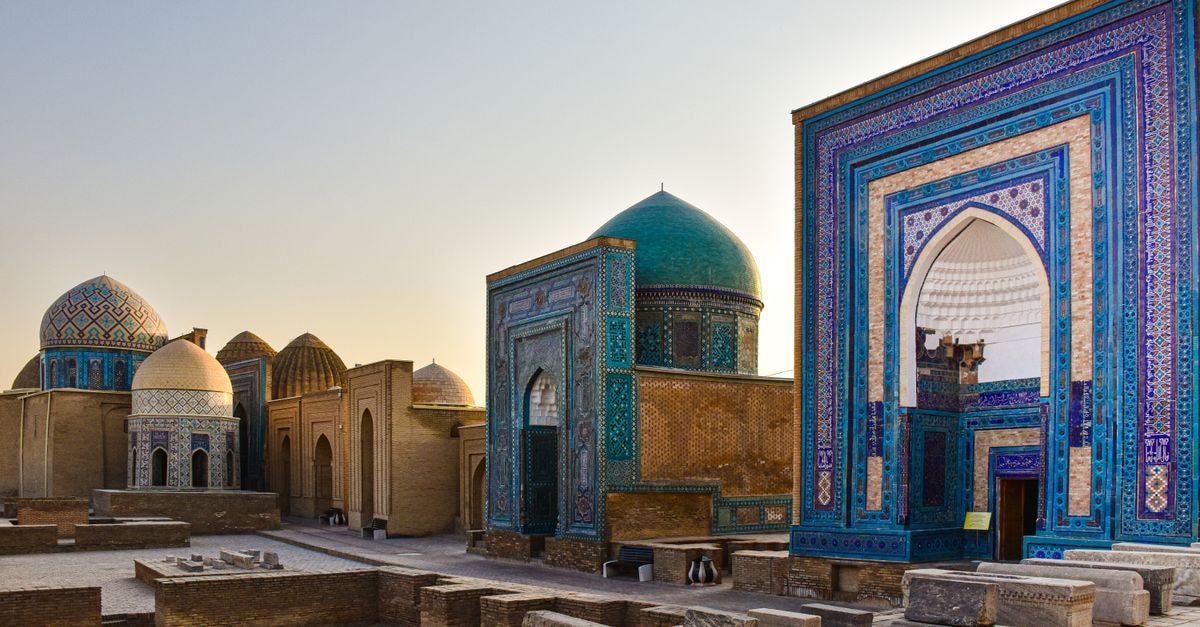
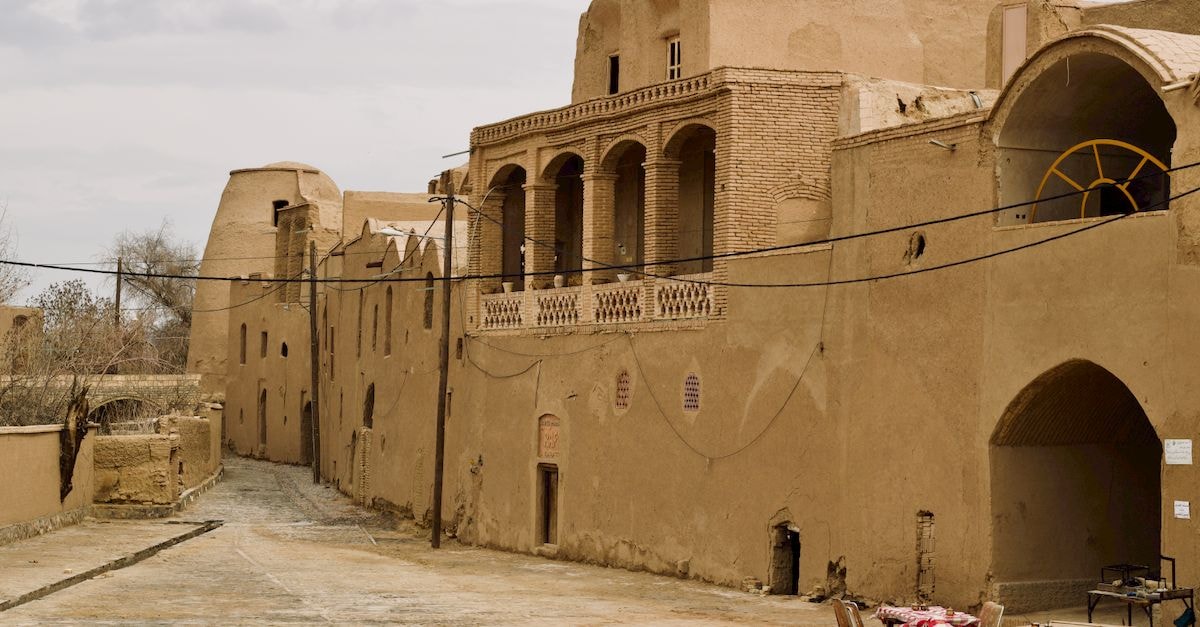
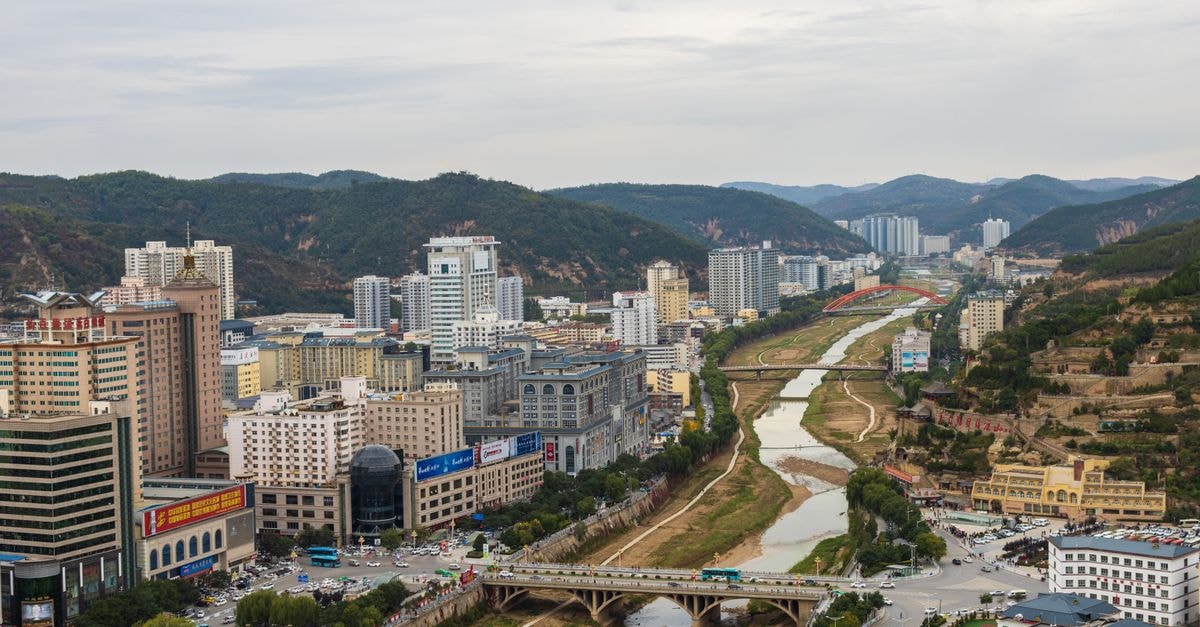
Tucked into the Sughd Region in northern Tajikistan, Isfara is a town that whispers rather than shouts. Approaching it for the first time, you sense that this is a place that has lived many lives: an important point on the Great Silk Road in the 10th century, and today a regional city of roughly 274,000 people that links communities across Sughd. That long arc — from caravan crossroads to modern regional hub — is part of what makes a visit feel quietly layered rather than rushed.
Because Isfara lies close to the border with Uzbekistan, it carries the feeling of a place where cultures meet along the river rather than at a single monument. That proximity also shapes the practical side of travel here, especially how you arrive.
Getting to and Around Isfara
There is no direct passenger rail service into Isfara, so the town is reached by road rather than by train. The border-town geography means that overland arrival is part of the texture of any visit, and planning that piece of the journey in advance is worth the few minutes it takes.
Within the region, long-distance shared transport is the practical backbone of getting around. Typical fares vary widely, so a useful planning frame is roughly 80–200 TJS per person for a long-distance shared ride. The standard place to arrange these trips is at the bus station, or through a hotel or taxi office that can help with bookings. Treat that fare range as a reference point rather than a fixed quote, since prices in this part of Tajikistan fluctuate with route, vehicle, and demand.
A few patterns help when using this kind of shared transport. Booking the day before, especially around weekends and holidays, can save a long wait at the station. Carrying small local currency for the fare makes the transaction smoother, and asking your guesthouse or hotel which departure bay or operator they trust tends to land you in a more comfortable vehicle. If you are arriving from across the border, factor in extra time at the crossing and avoid scheduling a tight onward connection on the same day.
If you prefer more independence on shorter hops around town, local taxis are the usual option. Agreeing on a price before the ride starts is the local norm and avoids the small misunderstandings that can otherwise sour a short journey. Keep in mind that shared long-distance transport and short city rides operate as separate systems, so the same fare range will not apply to both.
The River, the Parks, and the Pace of the Day
The Isfara River runs through the town, and the way the city arranges itself along its banks is one of the first things a visitor notices. Many restaurants have outdoor seating alongside the river, which shapes how an evening tends to unfold here — a long table, a slow meal, and the sound of moving water rather than traffic. For travelers who like choosing a spot where the setting does half the work, looking for a riverside table is a simple way to upgrade an ordinary dinner into a memorable one.
When you want to stretch your legs, the town offers two parks worth a walk: Ismoili Somoni and Isfarang. Both give you a green pause from the busier market streets and a sense of how locals use their public space. Mornings and the cooler hours of the late afternoon are typically the most comfortable time to take that walk, especially if you like to wander at your own pace or sit on a bench and watch the town pass by.
The overall feel of Isfara is that of a working regional city rather than a polished tourist stop. It suits travelers who enjoy places where the daily life of the town is the main attraction: a riverside lunch, a walk through a park, and conversations in cafés rather than a checklist of marquee sights.
Choosing What Fits Your Trip
Isfara rewards a particular kind of traveler, and knowing that in advance makes the trip smoother. If your priority is reaching the town with the least logistical friction, plan your arrival around road transport from the start, since there is no direct passenger rail into Isfara. If your priority is atmosphere over itinerary, anchor your days around the Isfara River — choose a guesthouse within walking distance of the waterfront, and let the riverside restaurants set the rhythm of your evenings.
For travelers who move slowly, the two parks offer a natural shape for an unhurried day, with a walk in Ismoili Somoni or Isfarang paired with a long meal alongside the river. If you are more interested in regional movement than in any single attraction, the 80–200 TJS shared-transport fare range gives a realistic sense of how much a long-distance leg will cost, and booking through a hotel or taxi office is often the path of least resistance. The town may feel quieter than larger Silk Road cities, which is exactly the point for visitors who prefer depth over scale.
A Few Things Worth Double-Checking Before You Go
Because Isfara sits close to the Uzbekistan border, crossing procedures and opening hours can change without much local fanfare. Before you travel, it is worth confirming current border requirements on both sides, and checking whether your nationality needs any specific documentation.
Fares, schedules, and operating patterns for shared transport can shift, so treat the 80–200 TJS range as a planning reference rather than a guaranteed price. Ask your guesthouse or a local contact about the current situation the day before any long-distance trip.
Rates and conditions in Tajikistan can change quickly. Verify fares, transport schedules, and any entry requirements through official channels before departure, and treat the guidance in this article as a starting point rather than a final word.
This guide is evergreen by design: it focuses on the steady, year-round character of Isfara rather than on a specific window of time. That means the practical advice here should remain useful across seasons, while the finer details — exact fares, schedules, and conditions on the ground — are best confirmed close to your travel dates.
As a final reminder, always check the latest official travel advisories and local information before you set out, and plan your arrival with a little extra buffer so that the journey into this quiet Silk Road town begins the way you want it to.
Share this article
TOOLS FOR THIS PLAN
Make the Isfara plan measurable
Choose a tool only when it answers the next question in your trip. Your values stay in the browser, and each tool offers a route back to this planning context.