A first look at Bukhara

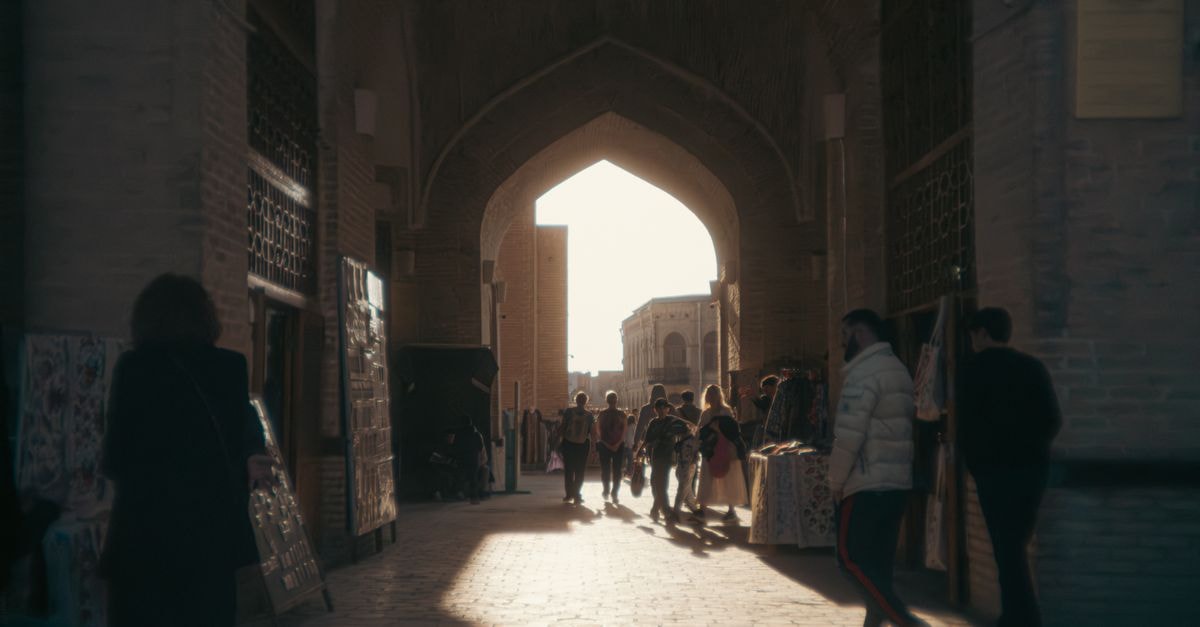
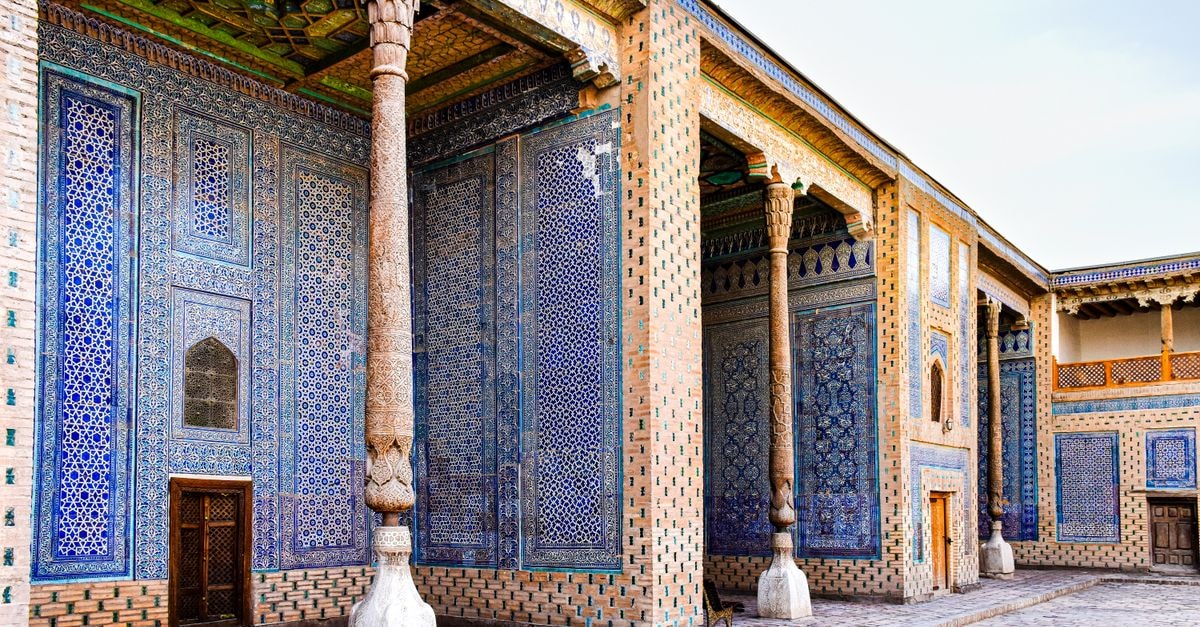
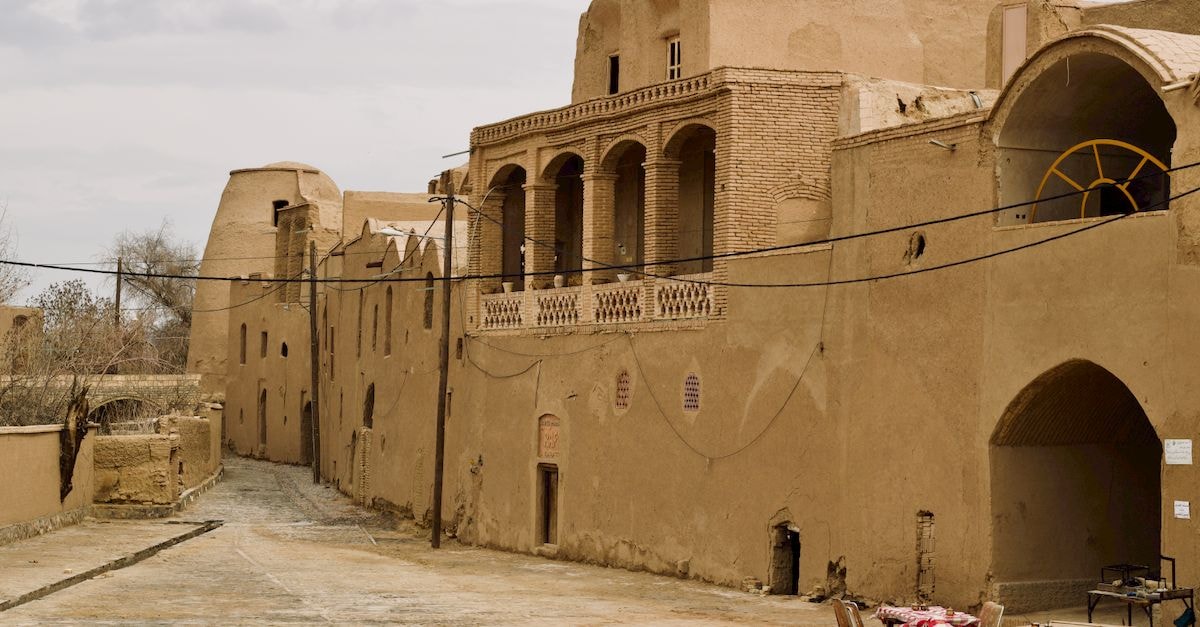
Bukhara has the rare gift of feeling like a living museum without ever feeling like a stage set. Its old city, where centuries of caravan trade once passed through, is the kind of place where you can spend a whole morning simply drifting between turquoise domes, sun-warmed brickwork, and quiet courtyards that hint at the Silk Road's long memory.
This guide keeps things practical: how to move through the historic core on foot, the few landmarks worth prioritising, and the broader Uzbek food culture visitors will likely encounter while they are here. It is written for travellers who like their city discoveries slow, layered, and rooted in place.
Getting around the old city
Walking is widely considered the best way to experience Bukhara's old city, and that single fact quietly shapes the whole trip. Because the most evocative corners cluster within a compact historic core, the choice to explore on foot tends to feel natural rather than obligatory, and it lets the texture of the lanes unfold at its own pace.
If you would like more context as you wander, licensed local guides offer walking tours that lean into the city's history, its intricate architecture, or themed angles such as Sufism or Bukhara's ancient Jewish heritage. Travellers who prefer a narrative layer over their sightseeing may find a themed guide a useful complement to solo exploring, while those who enjoy getting deliberately lost in a place can simply pick a dome on the horizon and walk toward it.
Because much of the experience here is pedestrian, comfortable shoes and a loose sense of direction matter more than any transport plan. For anyone with limited mobility, it is worth confirming in advance whether your specific route involves steps, uneven paving, or long stretches without rest points.
Attractions and how to plan them
Bukhara's landmarks tend to overlap with its shops, which makes planning feel less like a checklist and more like a continuous stroll. There is no shortage of places to browse, not only on the streets but also inside many of the historical sites you will be visiting, so a slow pace often rewards itself with unexpected finds.
The Trading Domes
The Trading Domes are a natural starting point. They sit at the heart of the city's old commercial life, and even visitors who do not consider themselves shoppers tend to enjoy them as architectural spaces. Because shopping and sightseeing share the same rooms here, you can fold browsing into your sightseeing without it ever feeling like a detour.
The Ark and Zindon Prison
Just north of the Ark, Zindon Prison holds one of Uzbekistan's more sobering historical stops. Its bug pit, in particular, lingers in memory. Allow some time afterwards to step into a quieter corner; the contrast can be part of the experience. The Ark itself now houses museums that help frame Bukhara's history and the opulence of its rulers, which gives useful context before or after the heavier visit to the prison.
Chashma-Ayub and the Water Museum
Directly across from one of the city's memorial complexes sits the Chashma-Ayub Mausoleum, which today houses the Museum of the History of Bukhara Water Supply. It is a small, specific museum, and that specificity is part of its charm. Visitors interested in the engineering and infrastructure behind a desert city's rise often find it surprisingly absorbing.
A loose plan might pair the Ark, Zindon, and Chashma-Ayub into a single cluster, then wander back toward the Trading Domes when energy dips. Travellers who prefer a deeper narrative may want to slot in a guided walking tour for context before tackling the heavier historical sites.
Food and local context
Food in Uzbekistan does not whisper its heritage; it tends to arrive with quiet confidence. The country's culinary traditions are rooted in dishes that were, in essence, refined over centuries of caravan travel, designed to feed many people with a small set of ingredients and a great deal of care. Travellers in Bukhara are likely to encounter this wider Uzbek food culture in various forms during their stay.
Festive meals, in particular, carry a strong sense of occasion. With songs, dances, and a full dastarkhan of dishes, national holidays are celebrated in a way that turns eating into a shared ritual rather than a private one. Even travellers who do not time their visit to a public holiday will notice echoes of this hospitality in everyday meals.
The broader way of life in Uzbekistan stretches back many centuries, with roots in the 6th–7th centuries BC, and that long horizon shapes the rhythm of how people sit down together, share bread, and welcome guests. Visitors who approach meals with patience and curiosity, rather than treating them as quick refuelling stops, often find that the food becomes one of the more memorable parts of the trip.
Because Bukhara sits within this wider culture rather than apart from it, the dining customs you encounter may differ from what you are used to at home. Seating arrangements, the order in which tea is poured, and the way dishes are shared can all carry meaning. A simple smile, a willingness to wait, and an openness to follow your host's lead go further than any rulebook.
Choosing what fits your trip
If your priority is atmosphere over itinerary, lean into the walking pace and let the Trading Domes and the Ark–Zindon–Chashma-Ayub cluster do the heavy lifting; you will cover the city's emotional range without rushing. If your priority is depth, a themed walking tour paired with the more specific museums will give you context that pure wandering cannot. Travellers sensitive to heavy historical content may want to schedule Zindon earlier in the day and balance it with the lighter Trading Domes afterwards.
Before you go
Conditions on the ground can change, so it is always worth confirming opening hours, ticket details, and any local rules through official channels before you set out. Factual travel details, from shop hours to museum access, are best double-checked close to your visit rather than relied on from memory.
If there is one thing you would like to know that this guide does not cover, the most useful single question to ask before travelling is whether any specific landmark you hope to visit requires advance booking or has restricted access on certain days.
Share this article
TOOLS FOR THIS PLAN
Make the Bukhara plan measurable
Choose a tool only when it answers the next question in your trip. Your values stay in the browser, and each tool offers a route back to this planning context.