An unhurried welcome to Jieyang

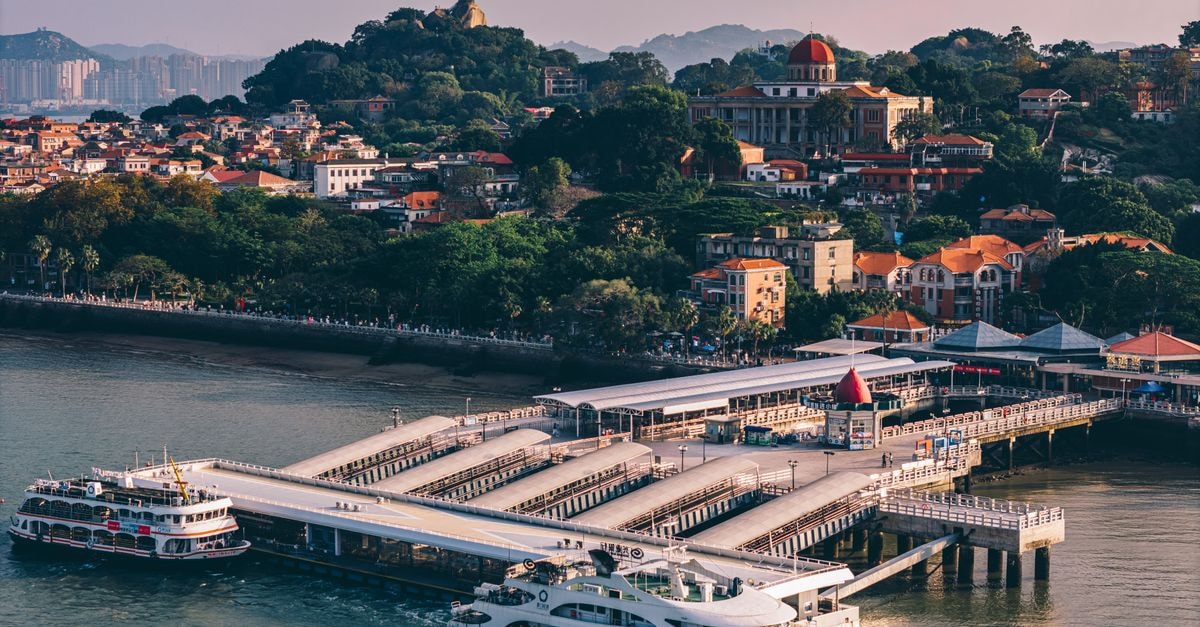
Tucked into eastern Guangdong, Jieyang has the kind of profile that rewards travelers who like to slow down rather than rush through a checklist. The city sits in a region known for its tea-growing hills, forested ridges and warm, humid air, and it offers a more low-key counterpoint to the denser urban centers that often dominate Guangdong itineraries. A first visit here can feel less like a sprint between landmarks and more like a walk through layered geography, with mountains rising on the horizon and a slower city rhythm closer in.
This guide keeps the focus tight on two practical questions that matter most when planning a first stay: what the climate generally feels like here, and how the local transport system shapes the way you actually move from place to place. Because Jieyang's appeal is tied to outdoor scenery, these two factors really do set the tone of a trip.
Weather and seasonal context
Jieyang has a humid subtropical climate, and the weather is a defining part of how a visit feels rather than a minor detail to check the morning of. Average daytime temperatures sit comfortably warm, with the mercury often hovering around 28°C (83°F), and it is not unusual for the daytime high to climb as far as 37°C (99°F) during warmer stretches. On the cooler end of the day, overnight temperatures can dip to around 20°C (68°F), which can make evenings feel noticeably more breathable after a warm afternoon.
This kind of climate tends to shape the rhythm of the day. Many visitors find that early mornings and the hours leading into evening are when walking, photography and outdoor stops feel most comfortable, while the middle of the day often calls for a slower pace, a shady break or a pause indoors. Layering light clothing is usually a safe approach, since the gap between daytime highs and nighttime lows can feel more pronounced than the absolute numbers suggest.
It is also worth keeping in mind that Jieyang sits in a region where heavy rainfall and strong winds are part of the broader weather picture, and travel delays are possible when conditions turn. Rain can arrive suddenly and linger, so a flexible attitude toward the day's plan tends to serve travelers well. If you prefer a calmer outdoor experience, you may want to build slack into the schedule so a sudden shower or a stretch of strong wind does not derail the rest of the day, and to keep indoor options in mind as a gentle fallback rather than a last-minute scramble.
Getting around
The way you move through Jieyang is shaped less by a single mode of transport and more by what you are trying to see. Public buses run through the city and into surrounding areas, and they are the most common way visitors connect with the region's scattered scenic spots. The buses do the job for many travelers, but they work best when you already have a rough idea of the routes you want to take, since stops and signage may not always feel intuitive at first glance.
One specific mountain leisure route that the city is associated with is a recommended sequence that threads together three very different landscapes: a waterfall sightseeing stop, a tea garden visit, and finally a hot spring relaxation. The shape of this route, moving from a dramatic natural feature to a cultivated agricultural setting to a quiet soak, is a useful mental model for how sightseeing in the hills around Jieyang can be paced. Building a day around a connected sequence like this, rather than trying to dart between unrelated points, can give the experience a more relaxed flow.
For travelers who prefer not to rely solely on public transit, taxis and ride-hailing services are commonly used for point-to-point trips, especially when the route is less straightforward or when comfort matters more than cost. Having a backup way to get back to your base in the evening is worth thinking about in advance, as buses tend to thin out later in the night.
A practical note on accessibility is worth flagging here. Most public buses in Jieyang do not feature ramps or lifts, which can pose difficulties for wheelchair users and for anyone traveling with a stroller, heavy luggage or limited mobility. If step-free boarding is important to your trip, it may be worth arranging a taxi or private car for the days when you plan to rely on buses, rather than assuming the standard service will work for everyone in your party.
Choosing what fits the way you like to travel
Two small tradeoffs tend to shape a Jieyang visit more than anything else, and both are worth thinking through before you arrive. The first is how you feel about warm, humid weather with the possibility of heavy rain. Travelers who enjoy lush scenery and do not mind reshaping a day around a sudden shower will probably find the climate rewarding, especially because the green hills around the city are a real part of its character. Travelers who prefer dry, cool conditions may want to mentally prepare for a slower pace and more indoor pauses than usual.
The second tradeoff is about how much independence you want on the road. The waterfall, tea garden and hot spring sequence works beautifully as a connected day if you are comfortable reading bus routes and adjusting on the fly, but it can feel more tiring if you are not used to that style of travel. Anyone who values a more guided rhythm might consider a taxi or private driver for the longer legs, while still using buses for shorter, central hops. Keeping the day flexible, rather than packing it tight, usually suits this kind of landscape best.
A note before you go
Travel conditions, bus routes and local services can shift over time, so it is always worth checking current information through official channels before you set out. Live weather updates, transport notices and any local advisories will give you the most accurate picture on the day of travel. Treat the guidance here as a foundation for planning, and let fresh local information fine-tune the details once you are on the ground.
Share this article
TOOLS FOR THIS PLAN
Make the Jieyang plan measurable
Choose a tool only when it answers the next question in your trip. Your values stay in the browser, and each tool offers a route back to this planning context.