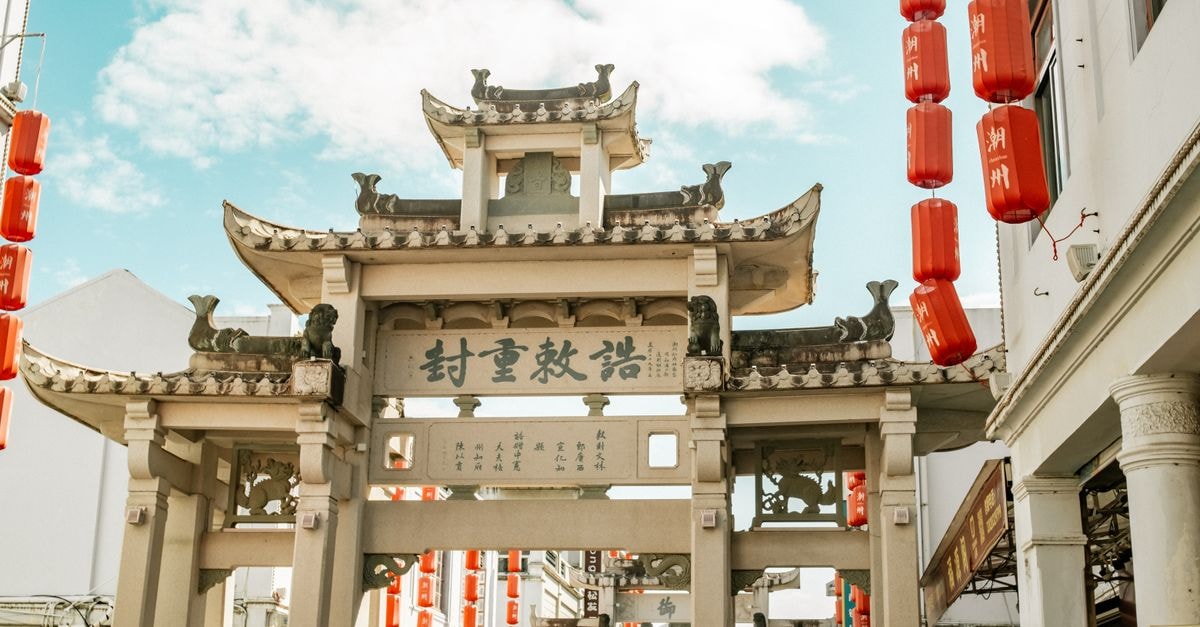
A Quiet Corner of Guangdong Worth Slowing Down For

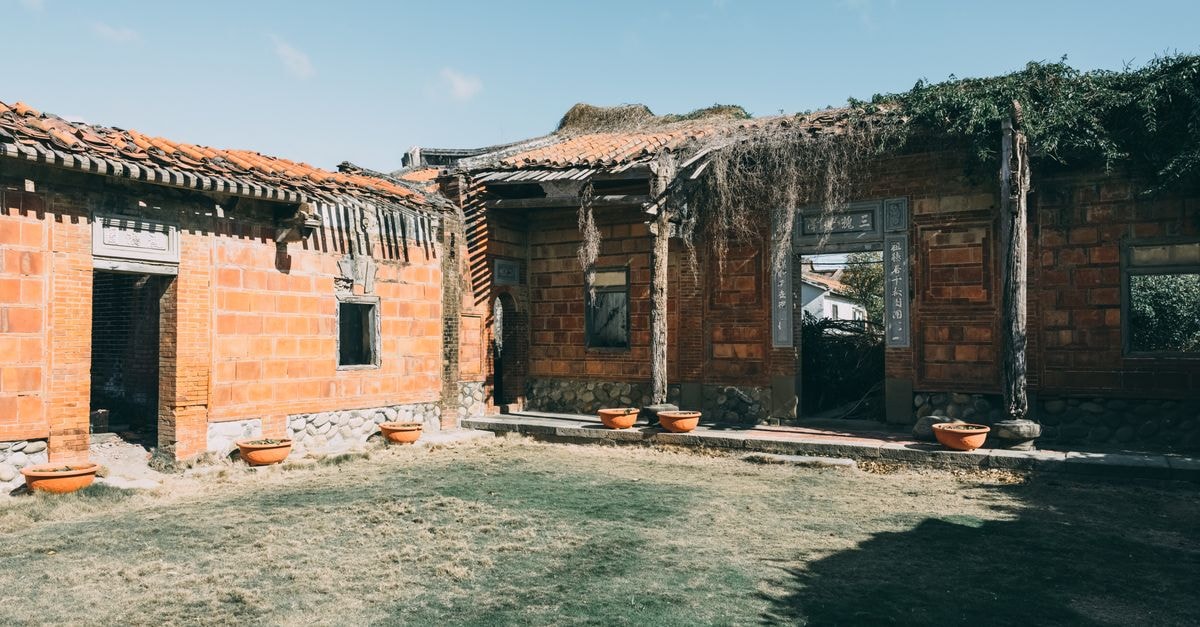
Tucked into the eastern edge of Guangdong Province, where the Han River fans out toward its delta, Chaozhou has long carried the quiet confidence of an old cultural capital. It is a city where everyday rituals — pouring tea, walking beneath carved archways, slipping into a snack shop for something fried and piping hot — feel less like tourist activities and more like a way of life. This guide pulls together what the evidence actually supports: a heritage-rich ancient city, a street defined by ceremonial archways and a beloved snack culture, a celebrated tea identity, and the wider Chinese dining culture that frames any meal you will eat here.
Use it as a soft framework for your visit, then let curiosity fill in the rest.
Weather and Seasonal Context
The approved evidence for weather is essentially planning-level rather than forecast-level. Travelers considering Chaozhou will find that the city is best approached as a slow, on-foot destination, where the pleasure is in lingering along one long historic street, leaning against a bridge railing, or settling in for a tea ceremony rather than racing between sights. That pacing matters because Chaozhou's character unfolds gradually: the carved details on a paifang archway, the rhythm of a Teochew opera performance, the unhurried conversation that happens over a pot of gongfu tea.
Because the source material frames Chaozhou in terms of experience rather than climate statistics, treat any seasonal expectation as gentle guidance rather than a forecast. Pack for humid conditions typical of southern Guangdong, plan indoor pauses in tea houses or performance venues when the day feels heavy, and prioritize morning or late-afternoon strolls along the open streets. If precise conditions matter for your trip, check a live forecast close to your travel date.
Getting Around and the Lay of the Land
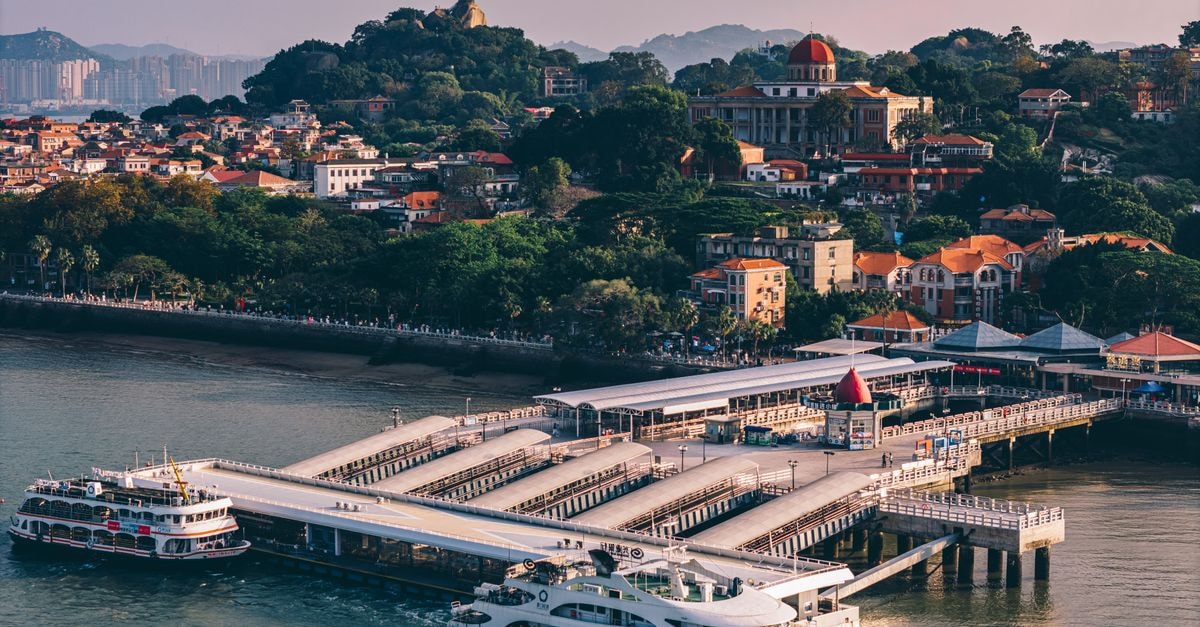
Chaozhou sits in the easternmost part of Guangdong Province, north of the Han River delta, with the river itself flowing through the city. That geography shapes how visitors move: the most rewarding experiences cluster in walkable historic districts where the river, bridges, and old streets are close together, so comfortable shoes and a relaxed pace will serve you better than any complex transport plan.
If you prefer to anchor your walking with a landmark, head toward the grand Guangji Bridge, one of the city's most recognizable structures and a useful way to orient yourself toward the river. Its scale and craftsmanship make it an easy reference point, whether you approach it as a photo stop, a brief crossing, or a place to pause and watch the water.
Attractions and Planning Your Days
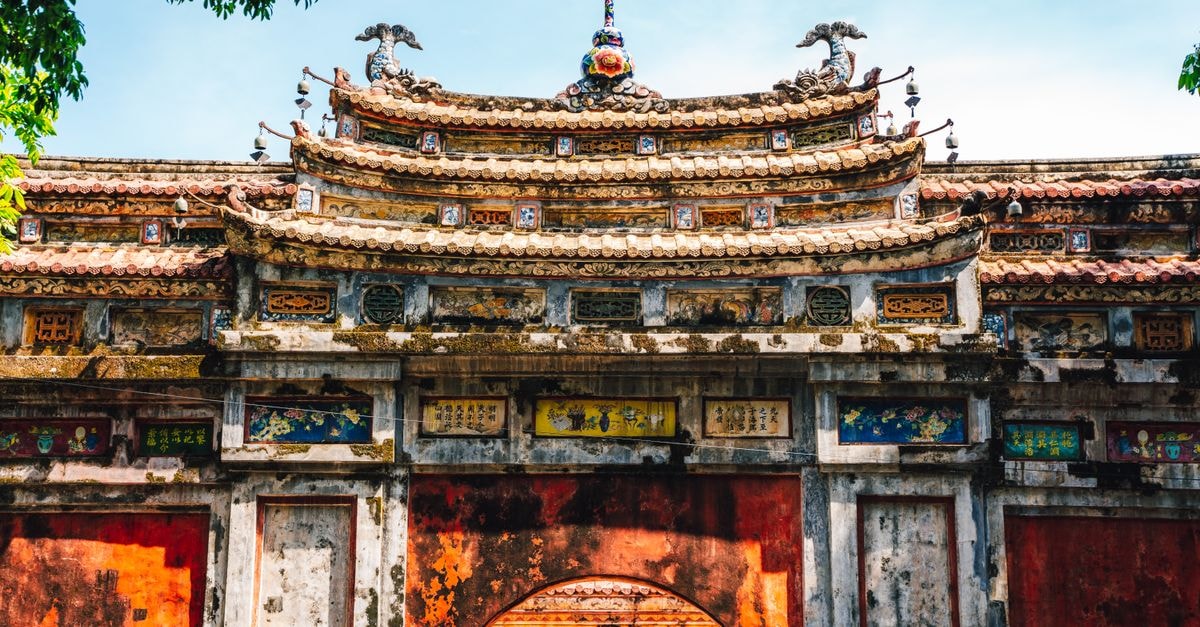
Chaozhou's identity as a destination is unusually well documented at the institutional level. Officially recognized by UNESCO as a "City of Gastronomy" and as the "Hometown of Gongfu Tea Culture," the city carries both designations as part of its broader cultural framing. Within its boundaries there are reportedly over 1,300 historical relics and 17 national-level intangible cultural heritage items, a density of heritage that helps explain why the city rewards visitors who treat it less as a checklist and more as a layered place to absorb.
A practical day in Chaozhou might begin with a slow walk along Paifang Street, pausing at the rebuilt archways and ducking into snack stalls as the mood strikes. From there, the Guangji Bridge offers a clear architectural counterpoint and a connection to the Han River that runs through the city. In the evening, keep an eye open for Teochew opera performances — a traditional performing art of the region — which can turn an ordinary hour into something memorable. Booking tickets, exact performance schedules, and venue details are best confirmed through local listings closer to your visit, since the approved evidence speaks to the cultural significance of these forms rather than their daily timetable.
Two simple principles help: do not try to compress too many relics into a single morning, and leave at least one block of unstructured time for a tea house. Gongfu tea is not a casual beverage here; it is a heritage practice that the city is officially recognized for, and sitting through a proper session can be as culturally rich as any monument.
Food and Local Context
Chaozhou sits firmly inside the wider Chinese culinary world, and it helps to arrive with that frame in mind. Chinese cuisine is widely celebrated for its regional variety and depth, and eating is treated as one of the great pleasures of daily life. Meals tend to be social occasions, and the act of sharing dishes — rather than each person ordering individually — is a common pattern visitors will encounter.
That nationwide context is useful here because Chaozhou's own food culture is famously local and fiercely specific. The snack list associated with Paifang Street alone — pig's trotter rings tied to fried taro cakes, crispy prawn fritters, glutinous rice in pork intestine, and oyster omelette — gives a sense of how varied and texture-driven the local street food can be. These are snacks meant to be eaten fresh, often standing at a counter or balanced on a small table, rather than as part of a formal sit-down meal.
Equally important is the etiquette that shapes the experience. China has a long history of ritual and etiquette around food, and dining customs have developed to a high degree over centuries. Travelers do not need to master every nuance, but a few habits go a long way: wait to be seated or shown to a table, allow elders or hosts to begin first, and treat shared dishes as communal rather than personal. These small courtesies will be recognized and appreciated.
Because food is one of the city's official designations, treat eating here as a cultural activity in its own right. Build time into your schedule for unhurried meals, expect that gongfu tea will be offered or available throughout the day, and remember that the same dish can taste different from one tiny shop to the next. Variety is part of the point.
Final Notes Before You Go
Chaozhou rewards travelers who arrive with patience and a willingness to be guided by the city itself rather than a packed schedule. The combination of UNESCO-recognized gastronomy, gongfu tea heritage, an unusually dense collection of historical relics, and the ceremonial feel of Paifang Street means the destination offers depth in a compact area.
Factual travel details can change, and conditions on the ground — including weather, performance schedules, opening hours, and ticket availability — should be confirmed through official or up-to-date local channels before you finalize plans. Treat this guide as a starting framework built from approved factual sources, and let the city's pace set the rhythm once you arrive.
Prices, opening hours, schedules, reservation rules, and local conditions can change; verify them through official channels before departure.
Share this article
TOOLS FOR THIS PLAN
Make the Chaozhou plan measurable
Choose a tool only when it answers the next question in your trip. Your values stay in the browser, and each tool offers a route back to this planning context.