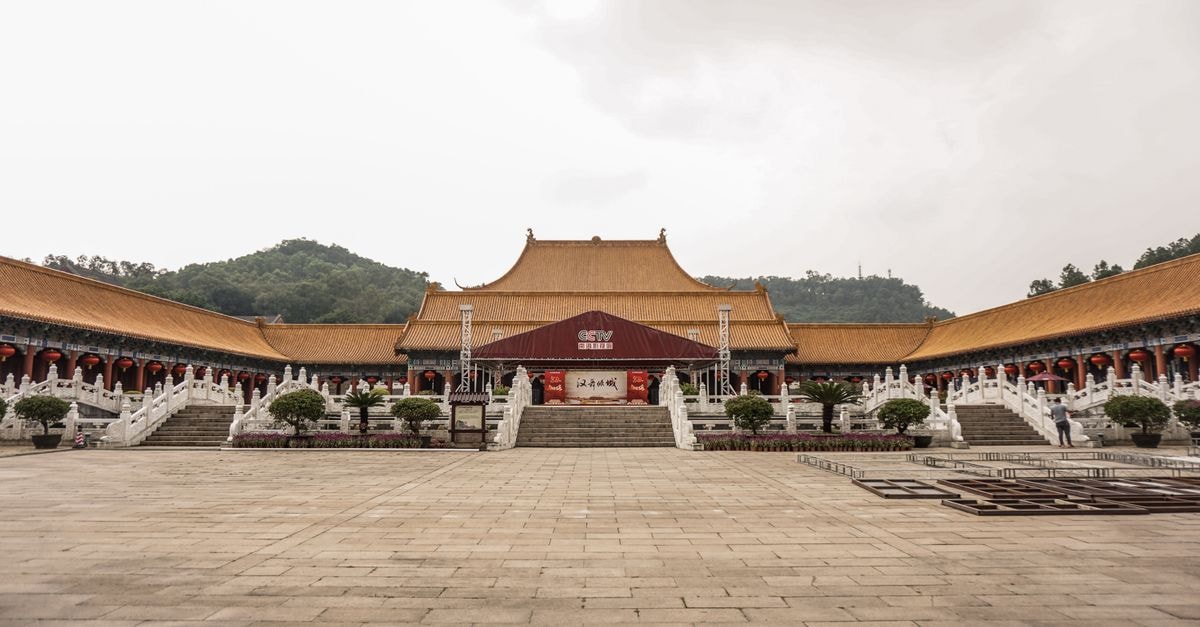
A first look at Xiaogan
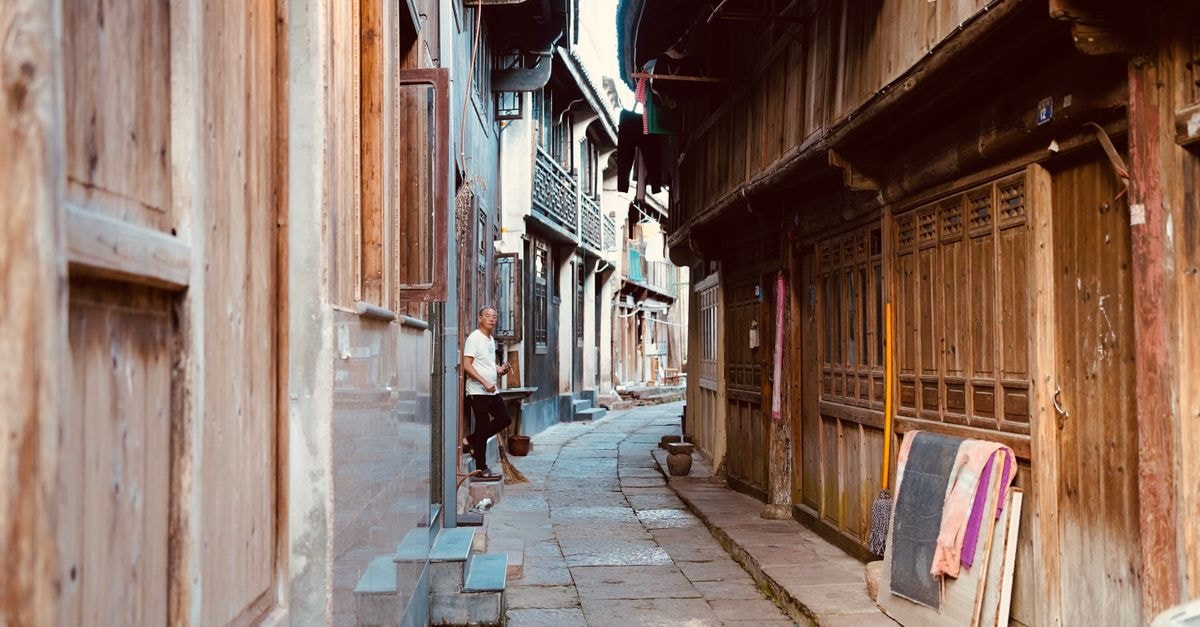
Xiaogan sits in central Hubei, roughly fifty kilometers from urban Wuhan, which makes it feel like a softer, lower-key counterpoint to the larger capital without ever leaving the province. It's the kind of place that rewards unhurried travelers: a city known less for headlines and more for a layered sense of place, with cultural weight wrapped around family tradition and a slower pace of life.
What sets Xiaogan apart in travel conversation is its identity as a homeland of filial-piety culture, paired with a reputation for hot spring landscapes. That pairing — heritage and natural warmth — is the spine of any thoughtful Xiaogan travel guide, and the thread this guide follows as well. If you are visiting Xiaogan with a curious mindset rather than a checklist, the city tends to open up in gentle, rewarding ways.
Weather and seasonal context
Xiaogan lies in central China and functions as a key tourism city within Hubei. That positioning alone shapes how the climate tends to feel: a continental middle ground where summers can run warm and humid, winters come crisp and dry, and the shoulder seasons often feel like the most comfortable windows to be out walking.
Because weather here can swing noticeably between midday sun and cooler evenings, layering tends to serve visitors better than committing to a single heavy outfit. Travelers who prefer a slower, less sweaty pace may want to plan their main outdoor time for the cooler parts of the day. If mornings are your thing, consider easing into the day with a relaxed breakfast before heading out, which can help you avoid the heaviest humidity if you arrive in the warmer months.
Filial-piety culture and hot-spring landscapes give Xiaogan its specific identity within Hubei, and both of those elements tend to shape how visitors experience the seasons. Spring and autumn are commonly associated with outdoor heritage walks and scenery, while the hot-spring identity gives winter a softer, indoor-warmth appeal that some travelers seek out specifically. Even so, conditions vary year to year, so treating any plan as flexible tends to make the trip smoother.
Attractions and planning
Xiaogan's tourism identity is built on a few clear anchors: filial-piety heritage sites, hot-spring settings, and natural scenery. Together they describe a city where cultural reflection and physical relaxation sit comfortably side by side, and where a single day can move from a quiet museum or memorial space into open landscape without a jarring shift in mood.
Xiaogan travel resources cover must-see scenic spots as well as everyday local hangouts, which is a useful reminder that Xiaogan is not only a heritage destination. It is also a working city, and some of the most memorable moments come from wandering local neighborhoods, watching a morning unfold in a neighborhood park, or stepping into a smaller venue that doesn't dominate a guidebook.
Among the headline attractions, the Xiaogan Fantawild Resort frequently appears in traveler-facing directories as a recognizable anchor point, reflecting Xiaogan's role as a family-and-leisure oriented destination within Hubei. Travelers often pair a visit there with a more reflective stop at a filial-piety landmark, since the cultural thread connecting both kinds of stops is what makes Xiaogan feel cohesive rather than scattered.
For planning, a few principles help. Think of your Xiaogan trip in two layers: one focused on a signature attraction or two, and another left deliberately loose for the smaller discoveries. If you enjoy slow afternoons rather than tightly packed days, consider giving yourself a single anchor activity per day and letting the rest breathe. If you prefer variety, grouping heritage sites geographically can save travel time, especially given Xiaogan's proximity to Wuhan.
The close distance to Wuhan also matters practically. Some travelers use Xiaogan as a quieter base from which to occasionally dip into the larger city, while others stay fully rooted in Xiaogan the entire time. If you prefer smaller-city evenings, sleeping in Xiaogan and day-tripping outward may suit you better than relocating every night. If you prefer more dining and transit variety, the opposite arrangement can work just as smoothly.
Food and local context
Xiaogan does not announce itself as a culinary destination in the way that some Chinese cities do, which is partly why the food experience here feels grounded rather than performative. Visitors tend to encounter a wide cross-section of Chinese eating culture, including long-held rituals and etiquette that travelers may notice without having to seek them out.
Across China, food is treated as a serious cultural feature rather than a casual everyday activity, and that mindset often shows up naturally in Xiaogan dining rooms. Meals are social occasions, dishes tend to arrive in shared rotations rather than individual plating, and conversation flows around the table as much as the food does. Travelers who appreciate that communal rhythm — eating slowly, sharing, lingering — often find Xiaogan's food culture easy to settle into.
Traditional Chinese dining customs carry a long-standing etiquette layer that visitors may notice in passing: where chopsticks rest, how tea is poured for companions, and the general practice of serving others before yourself. None of these behaviors are demanded of travelers, but being aware of them tends to make shared meals feel more comfortable, especially when dining with locals.
China as a whole is celebrated for the breadth and variety of its regional cuisines, and Hubei itself is part of that map. Within Xiaogan, travelers will most often encounter familiar central-China flavors and everyday staples rather than rarefied tasting menus, which suits travelers who prefer honest, hearty meals over curated experiences. If you enjoy asking servers what's fresh or what locals tend to order, menus here tend to reward that curiosity.
For travelers who prioritize certain eating conditions, a few choices tend to work well. Consider choosing a place where locals are actively dining, which often signals both freshness and reasonable pacing. If you prefer less hurried meals, late breakfasts and early dinners tend to be calmer than peak windows. If you enjoy cooking or food culture more broadly, simply paying quiet attention to how a Xiaogan meal is shared can teach you as much as any tasting.
Choosing what fits your trip
Because Xiaogan offers several distinct travel styles — heritage-focused, nature-oriented, family-leisure — the right shape for your visit depends on what kind of day you want to repeat. If reflection and quiet pacing matter most, a slow loop of filial-piety landmarks with unhurried meals may be your best fit. If you prefer scenic variety, hot-spring landscapes and natural viewpoints give the trip a softer, restorative feel. If you travel with family or enjoy theme-park-style stops, Fantawild gives the trip a clearly defined centerpiece.
Travelers with limited time might lean toward one major attraction per day, with Xiaogan's proximity to Wuhan preserved as an option rather than an obligation. Those with more flexibility can let small discoveries — a neighborhood park, a tea stop, a local market — take up more space in the plan. If you dislike backtracking, grouping attractions geographically before committing to an order can save real energy.
A few practical notes
Weather, opening hours, ticket availability, and local services can shift. Before departure, it is worth confirming current details through your accommodation, the official Xiaogan tourism channels, or your hotel concierge so that any guidance you read elsewhere — including this one — can be checked against the latest information.
Factual travel conditions can change, and official channels should be checked before departure.
Share this article
TOOLS FOR THIS PLAN
Make the Xiaogan plan measurable
Choose a tool only when it answers the next question in your trip. Your values stay in the browser, and each tool offers a route back to this planning context.