A river-shaped city worth slowing down for

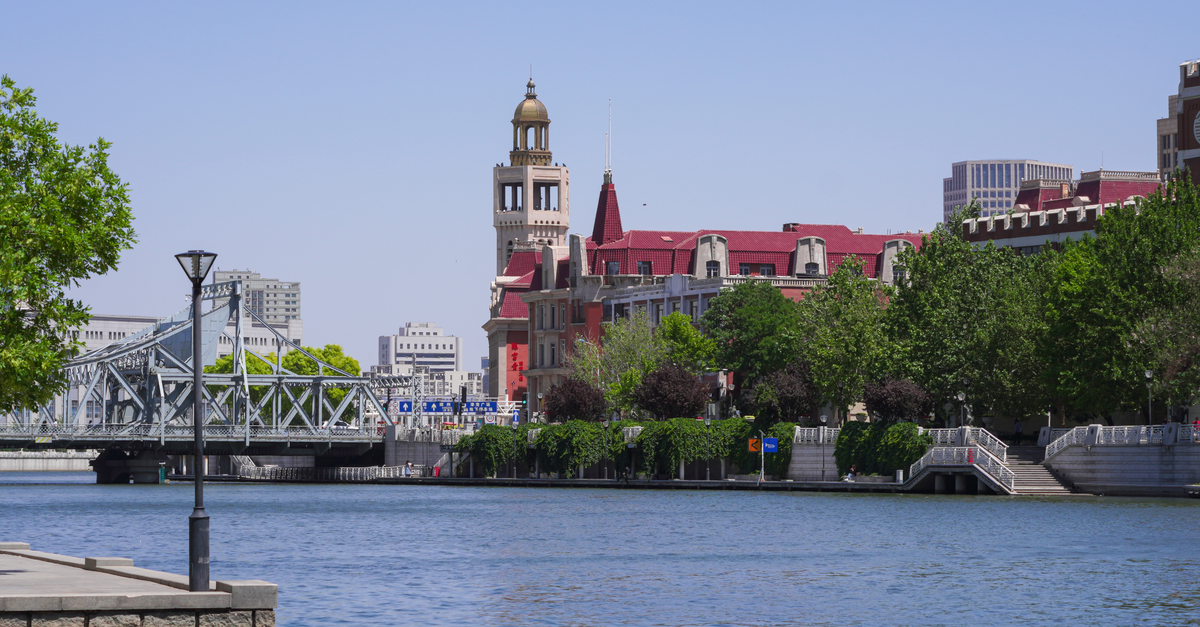
There is a particular kind of traveler who finds joy in a place defined more by water than by skyline. Jilin City, tucked into northeastern China and shaped by its river and lake, is that kind of place. An ecological park built along the Songhuajiang River and clear Songhua Lake are favored by local people to avoid summer heat, and that everyday ritual gives the city an unhurried, breathable feel.
This is a city guide written for travelers who want to settle into a destination rather than rush through it. It is intentionally evergreen, focused on what remains true about Jilin City across seasons: how to move around, where nature pulls people, and how the region's geography quietly shapes what ends up on the table.
Getting around
Jilin City is a place where the rhythm of movement feels local and low-key. Public transport, taxis, and car rental all form part of the city's everyday transport network, and travelers can expect a familiar mix of options rather than anything unusually complex.
Guided walking tours are described as less common for Jilin City, though local tour operators may have options for visitors who prefer a more structured introduction to the city. That balance tends to suit independent travelers who like to set their own pace but appreciate knowing that small-group alternatives exist if curiosity gets the better of them.
Attractions and planning
The biggest clue about what to do in Jilin City comes from its water. The city sits along the river, and an ecological park built along its banks is one of the places locals naturally gravitate toward. It is the kind of green, slow riverside space that rewards unhurried walks, quiet reading breaks, and the simple pleasure of watching a river move through a city.
A short distance from the urban core, the lake offers a different mood. The lake is described as a favored spot for local people who want to avoid summer heat, which gives it a relaxed, lived-in atmosphere rather than a purely touristic one. For visitors, this means a place that feels easy to slip into, with space to breathe and scenery that earns its reputation without needing a packed itinerary.
Within the river itself, Rime Island sits as a small island on Songhua River. The broader geography of the Songhua River and its islands gives the city much of its natural character, and the experience of the river can be appreciated beyond any single seasonal headline.
For planning purposes, the practical takeaway is simple: build time around the river and the lake, allow for slow afternoons rather than a checklist of stops, and treat any additional sightseeing as a complement to that central rhythm rather than a replacement for it.
Food and local context
For travelers, that translates into a food scene worth approaching with curiosity. The regional cuisine has grown out of the environment around it, and visitors often find that the best way to understand the city is to let meals reflect where they are rather than searching for familiar imports.
Wider Chinese dining customs can also surface while eating in Jilin City, since shared dishes, regional staples, and locally adapted cooking styles are part of everyday eating culture across the country. Travelers who slow their pace, ask questions, and lean into the local rhythm tend to get the most out of these encounters, both in Jilin City and in the broader Chinese dining context they may already be familiar with.
A few practical notes for the road
Because Jilin City is a destination where nature does much of the talking, packing tends to be straightforward: comfortable walking shoes for riverside paths, layers suited to shifting weather, and a willingness to let plans flex around how the day feels. The city's appeal is in its softness rather than its spectacle, and visitors who arrive with that expectation often leave the most satisfied.
It is also worth remembering that travel conditions can change. Transport schedules, opening arrangements, and local services evolve, and the most reliable way to confirm current details is through official channels before departure. Treat any guide as a starting point rather than a final word, and let the city itself do the rest of the storytelling.
Factual travel conditions can change over time, and readers should verify current transport schedules, opening details, and local services through official channels before departure.
Share this article
TOOLS FOR THIS PLAN
Make the Jilin City plan measurable
Choose a tool only when it answers the next question in your trip. Your values stay in the browser, and each tool offers a route back to this planning context.