A quiet counterpoint in central Zhejiang

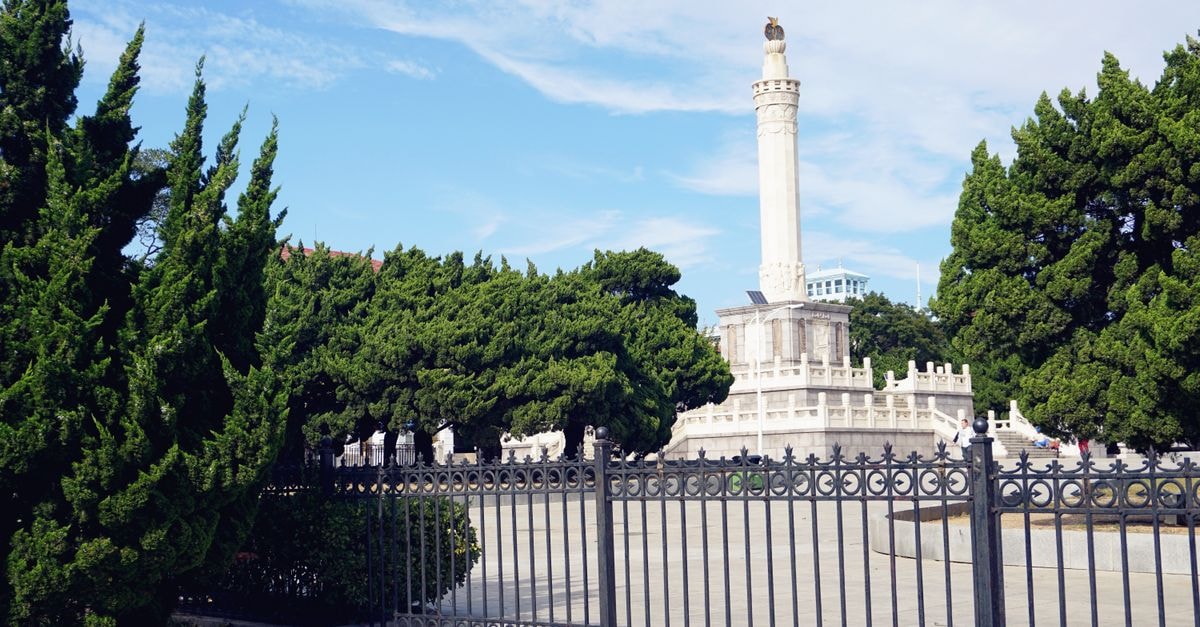
Most travellers heading into Zhejiang have already bookmarked Hangzhou or Wuzhen, but Jinhua offers a different rhythm. It sits in the heart of the province as a dynamically developing city district where the modern industrial pulse blends with the deep cultural traditions of East China. That combination gives the city a useful balance for visitors: you are not stepping into a museum piece, and you are not landing in a generic new-town grid either. There is enough contemporary energy to keep a trip feeling current, and enough cultural weight to reward anyone who slows down for a day or two.
For a first visit, the practical appeal is that Jinhua reads as a real, working Zhejiang city rather than a polished postcard. The places worth your attention range from nature-led scenic spots just outside the centre to a growing roster of recognised attractions, and the wider Chinese context around food and ritual adds a layer you can lean into without needing a packed schedule.
Weather and seasonal context
Jinhua's climate leans into the warm, humid character that much of central Zhejiang shares, so lightweight summer clothing, a layer for air-conditioned interiors, and an umbrella or light rain jacket are sensible staples in any bag. Because the city is a developing inland metropolis rather than a coastal resort, your day can easily shift between outdoor scenic time and indoor cultural stops, which makes it forgiving for travellers who prefer to pace themselves rather than rush between sights. Even within the same afternoon, the mood can move from a breezy lake-edge walk to a cooler museum or tea house without much friction.
Because conditions on the ground can shift from year to year, treat any seasonal framing as a soft suggestion and check a live forecast closer to your departure. The city's general travel pages describe it as a place where you can move between must-see scenic spots and more local hangouts, which is a useful reminder that Jinhua does not demand a rigid checklist.
Attractions and planning
Jinhua's attraction mix has shifted noticeably in recent years, and a few new names are worth keeping on your radar before you arrive.
The fields next to Furong Lake, recently turned into a new scenic spot by Jianfeng Mountain, are one of the freshest additions to the map. The appeal is straightforward: a recognised mountain area is extending its footprint toward a lakeside landscape, which gives travellers an easy way to pair a half-day in nature with a quieter waterside stroll rather than choosing between the two.
On the heritage side, Jinhua has also been quietly building its profile in red tourism, the patriotic travel category that traces revolutionary history and sites of memory across China. Five attractions in the city were featured in a list of 52 hit red tourism sites on the internet released by the Zhejiang Provincial Department of Culture and Tourism. For visitors, this is a useful prompt: if you already plan to spend time at one or two major scenic areas in Jinhua, it is worth checking whether any of those listed sites are on your route, since they tend to combine landscape with a layer of historical storytelling that adds depth to a short stay.
Two attractions have also stepped up in formal recognition. Panda Pig Two End Black International Ranch and the Huatian Meidi scenic area have both been awarded 4A-level tourist attraction status, a national quality tier that usually signals improved visitor facilities, signage and access. If you are the kind of traveller who likes to anchor at least one stop in a recognised, well-maintained site during a trip, either of these offers a reliable choice without needing extensive research on the ground.
Food and local context
Food in Jinhua sits inside a much wider Chinese eating culture, and it helps to arrive with a little of that context in mind. Eating is treated as one of the great social and cultural pleasures, and Chinese cuisine is widely regarded as one of the most varied in the world. That matters in Jinhua because even a simple meal tends to feel more like an event than a refuel.
Dining is also shaped by a long history of ritual and etiquette. China is a country with a long history of ritual and etiquette, and eating is a highly important feature of its culture, so dining etiquette has developed to a high degree. Visitors do not need to memorise rules, but a relaxed awareness of a few customs, such as waiting to be seated, accepting offered dishes graciously, and not sticking chopsticks upright in rice, will make shared meals feel more natural.
Beyond etiquette, the broader picture of Chinese travel frames food as part of a wider cultural tour. Travel in China goes beyond sightseeing, moving from intangible crafts to cuisine, from street life to ritual, into a heartfelt cultural resonance. That framing is a useful way to approach a Jinhua meal: treat a local restaurant or tea stop as a cultural moment in its own right rather than a break between sights.
Because the approved evidence does not include specific Jinhua restaurants, menus or signature dishes, the safer approach is to ask locally for what is in season, follow neighbourhood foot traffic, and let your hosts or hotel staff point you toward a place that matches the mood you want, whether that is a quick street-food bite or a longer sit-down meal.
How to plan around what is actually new
Jinhua rewards travellers who let the recent changes shape their route rather than relying on older lists. The Furong Lake fields by Jianfeng Mountain, the 4A-level status at Panda Pig Two End Black International Ranch and Huatian Meidi, and the red tourism recognition together suggest a city that is actively refreshing its visitor offering. If you keep those three threads in mind, you can build a short stay that feels current without needing to chase every trending spot.
A loose approach is to pair one nature-led stop with one heritage or culturally framed stop per day, then leave room for the food and social texture of the city to fill the gaps. That style of planning tends to suit Jinhua well, because the city reads as a place where the in-between moments, a long meal, a walk along a developing waterfront, a quiet hour in a museum, often end up being the most memorable part of the trip.
A practical note before you go
Factual travel conditions in any Chinese city can change quickly: opening hours, ticketing rules, site access and on-the-ground services are updated regularly. Treat the points in this guide as a starting framework rather than a final itinerary, and confirm details through official channels or your accommodation before you set out for any specific attraction or scenic area. If a site matters to you, a quick check on the day will save you from a wasted trip and let you focus on enjoying Jinhua once you are there.
Share this article
TOOLS FOR THIS PLAN
Make the Jinhua plan measurable
Choose a tool only when it answers the next question in your trip. Your values stay in the browser, and each tool offers a route back to this planning context.