A first look at Jixi

Set in southeastern Heilongjiang, Jixi offers a quieter pace than China’s headline cities, with an outdoor-leaning landscape that draws travelers seeking nature alongside everyday regional life. The city sits within a region known for vast wetlands, stretches of freshwater shoreline and wide, open skies. For visitors who like their trips built around scenery rather than skylines, this corner of northeastern China has an unhurried, exploratory feel that rewards a slower itinerary.
What follows is a practical, evidence-grounded look at the main themes a first-time visitor can expect to engage with: the natural attractions that define the area, and the food context that frames most meals. Use it as a starting point, and confirm specific bookings, hours and travel logistics with licensed local operators before you go.
Nature, wetlands and the lakeside landscape
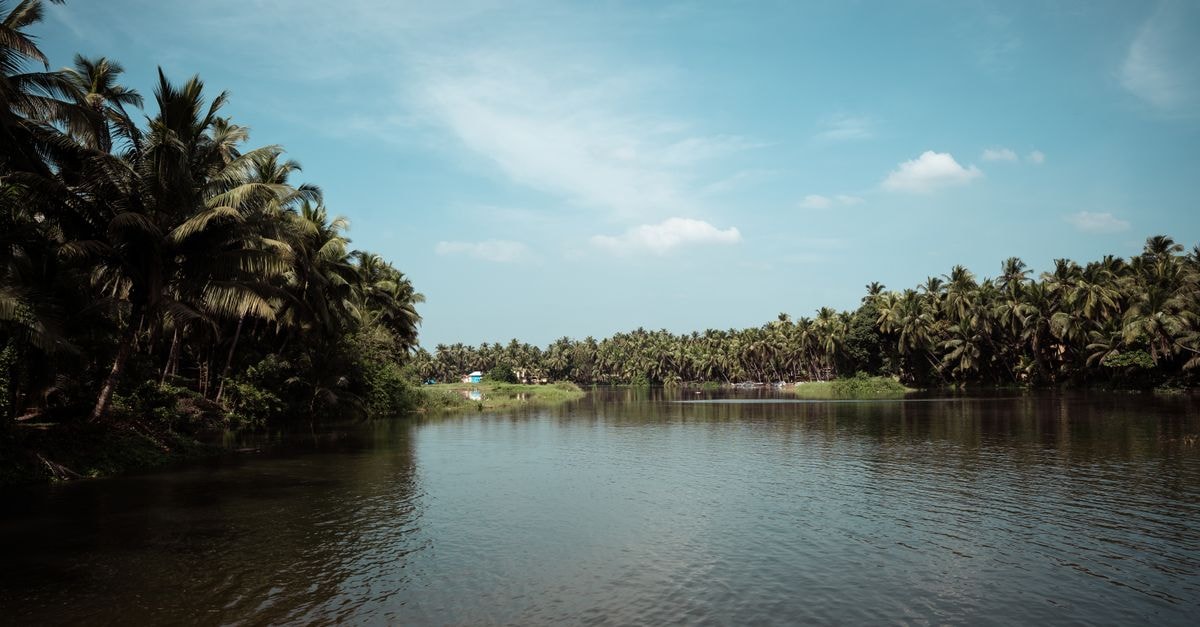
The defining feature of any Jixi visit is the surrounding natural environment. The Chinese side of the broader region is characterized by wetlands, beaches and birdwatching opportunities, giving travelers an outdoor thread that can run through an entire stay without needing to repeat the same kind of outing twice. Strolling boardwalks, scanning reeds for waterfowl and pausing at lookouts are common ways to spend a half-day here.
One signature natural landmark is Khanka Lake, a massive transboundary lake straddling the China–Russia border. The shoreline offers a sense of scale that is hard to find elsewhere in this part of Heilongjiang, and it is the kind of place where the experience changes noticeably with the time of day you visit. Early mornings tend to feel quieter and more atmospheric; afternoons bring more light on the water; sunsets can be slow and lingering. Travelers who prefer birdwatching and landscape photography to dense sightseeing circuits may find this side of the trip especially rewarding.
If your interest runs to wetlands and birdlife, consider giving this area more time than you would a conventional city stop, since the rewards tend to come from lingering rather than rushing. Conversely, if you primarily want urban density and packed attractions, balance expectations and pair Jixi with a larger city elsewhere on your route.
Planning the practical side of the visit
Because Jixi is less of a mass-tourism hub than many Chinese destinations, the planning layer benefits from leaning on professional, locally licensed help. Tours, destinations, attractions, hotels and cruises in the area are typically booked through licensed China travel agencies, which can also help arrange golf outings and other recreational bookings that are commonly packaged in this part of Heilongjiang. Working through an agency can smooth out language logistics and help align transport with the spread-out geography of the lakes and wetlands.
A few practical pointers that follow directly from what the area offers: build a loose schedule that leaves room for outdoor weather, since wetland and lakeside visits are very much outdoor experiences; group nearby natural attractions on the same day so you are not crossing the region repeatedly; and treat any booking confirmation as the source of truth for opening hours, since exact seasonal schedules vary. If you want a specific experience such as a particular boat trip, a particular viewing hide or a particular reserve, verify availability with a licensed operator before finalizing plans, because the facts available in general guides cannot confirm a specific date, departure or reservation status.
Food and local context
Food is one of the most accessible ways to feel the rhythm of a place, and Jixi’s culinary profile has clear northern Chinese roots. Many of the dishes you will encounter in local restaurants incorporate a sour or spicy element and are noticeably less sweet than what you may be used to from southern China. That flavor baseline shapes everything from casual noodle shops to more substantial shared meals, and it is worth paying attention to which restaurants lean into which side of that spectrum.
A useful piece of wider Chinese dining context that visitors will likely encounter across the city: meals in China are often shared family-style, with dishes placed in the center of the table for everyone to partake. This is not specifically a Jixi invention, but it does shape the practical experience of eating here. Rather than ordering one main per person, travelers usually pick several mid-sized dishes and share them, often with rice or noodles on the side. If you are traveling in a small group, this style encourages conversation and lets you sample more of the regional flavor range; if you are dining alone, it is still common to order a few small plates rather than one large entrée, and many smaller restaurants are accustomed to solo diners.
For travelers sensitive to very spicy food, the “sour or spicy” framing is worth keeping in mind. Dishes tend to lean one direction at a time, so asking locally about which element dominates a particular plate can help. Likewise, if you have a sweet tooth and miss the sugary profiles of southern Chinese cooking, you may find local menus more savory and tangy than expected, which can be a pleasant discovery rather than a drawback once you settle into it.
Choosing what fits the trip
With a destination like Jixi, the best itinerary tends to reflect what you actually want from northeastern China. If your core interest is nature, wetlands and birdwatching, it makes sense to weight the trip toward Khanka Lake and the surrounding reserves, and to treat city time as a supporting layer for meals, rest and transit. If your trip is more of a mixed regional tour and Jixi is one stop among several, keep the natural highlights to one or two anchor outings and use the rest of your time to slow down, eat well, and absorb the local flavor profile. Travelers looking for dense urban sightseeing, heavy nightlife or large-scale shopping districts may want to temper expectations and use Jixi as a complementary stop rather than the headline of the journey. In every case, confirming bookings, transport and any seasonal access through a licensed local operator is the safest way to keep plans aligned with what is actually available on the ground.
A note before you go
Travel conditions, opening hours, booking platforms and local services can change, and the information available in general guides is not a substitute for current confirmation. Before departure, check official tourism channels and your licensed travel provider for the latest updates, carry appropriate identification, and reconfirm any tickets, transport segments or lake-side excursions you plan to rely on. Rates and prices referenced anywhere in third-party material are reference points only, and currency conversions are best checked against the live rate on the day of exchange.
Prices, opening hours, schedules, reservation rules, and local conditions can change; verify them through official channels before departure.
Share this article
TOOLS FOR THIS PLAN
Make the Jixi plan measurable
Choose a tool only when it answers the next question in your trip. Your values stay in the browser, and each tool offers a route back to this planning context.