A softer kind of Brazilian coast

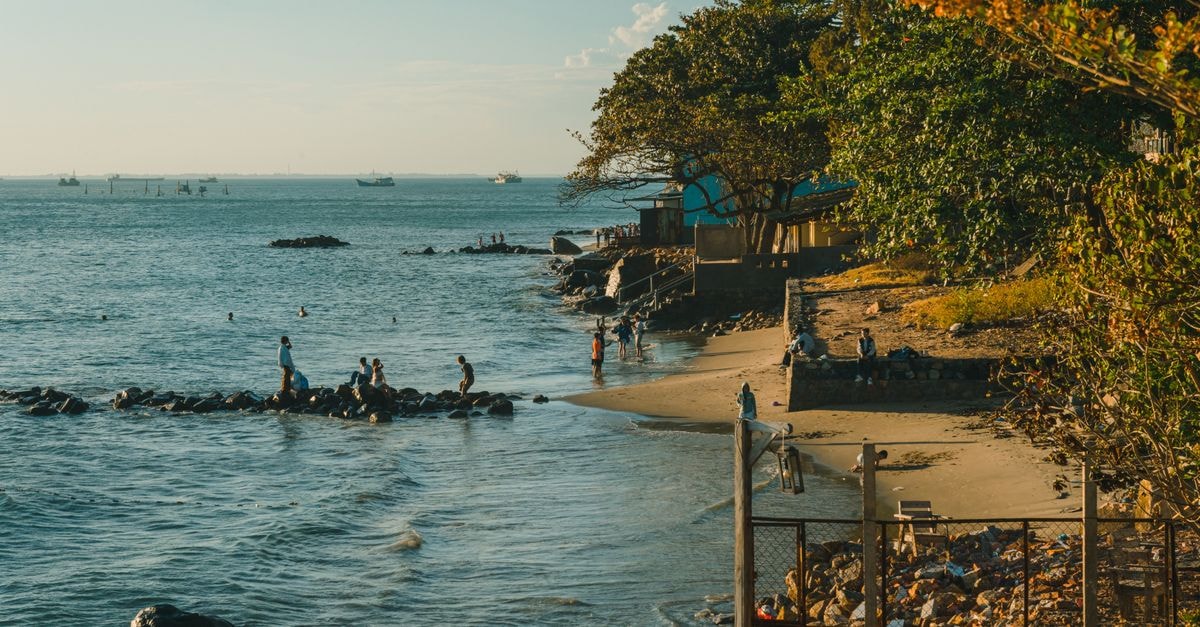
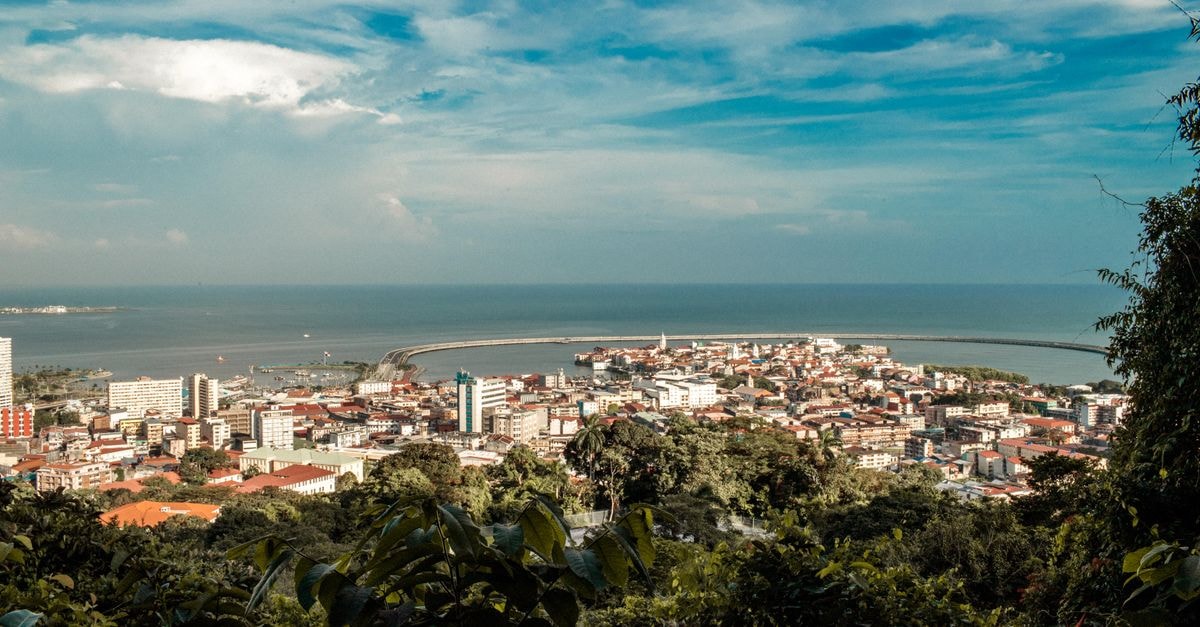
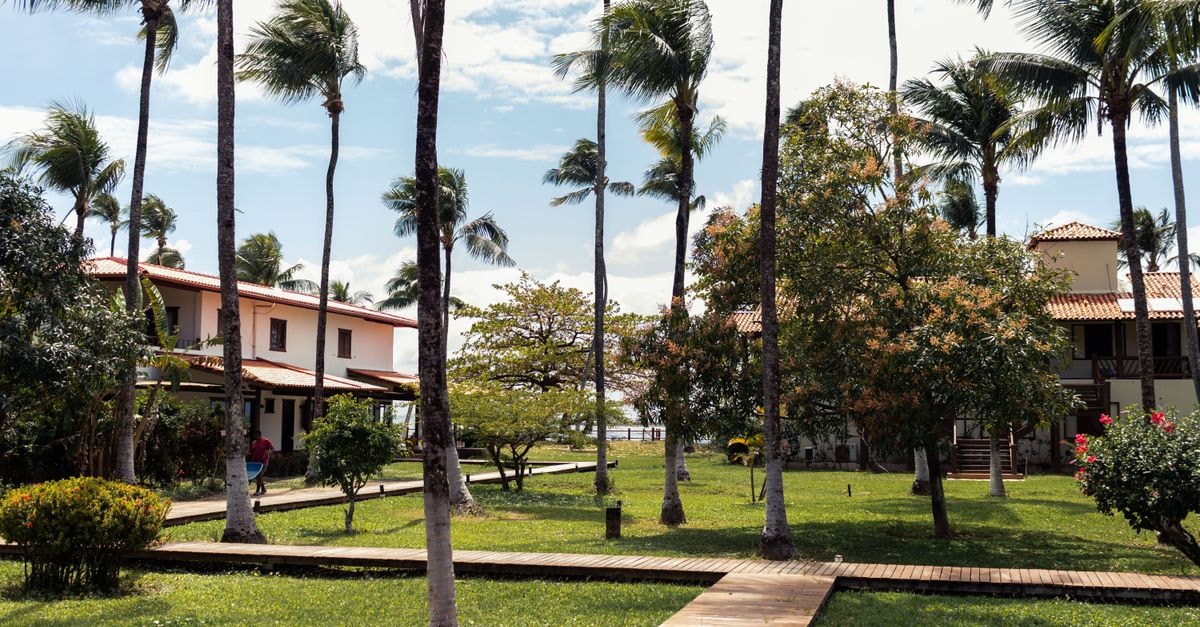
What makes João Pessoa approachable is that the essentials of a city break are close together. You can wake up near the sand, walk to lunch, and still have a lazy afternoon ahead of you. The vibe is coastal and conversational rather than checklist-driven, which suits visitors who want to settle into a place instead of racing through it.
Getting around
The city's main attractions sit along a compact coastal strip, so moving on foot is often the most natural way to start. Many of the city-level services that travellers rely on, including those who help plan outings to the natural reef pools, revolve around knowing the tide schedule. A tide table is the practical key for the day: services that organise visits to the natural pools use it to pick the best window for swimming and snorkeling. The general idea, shared by local planners who help visitors schedule their day, is to let the tide chart shape your outing rather than the other way around. If you ask what the tide table is for, the short answer is that it helps identify when the pools are most rewarding to visit.
Beyond walking, the usual Brazilian coastal-city options are within reach. Ride-hailing apps work in the urban core, and the city's beachfront avenues make taxis and app-based cars a straightforward way to cover longer distances. For day-to-day movement, give yourself a little extra time rather than relying on a strict timetable, because the coast has its own tempo.
Attractions and planning
A reliable anchor for trip planning is the official tourism office in Tambaú, one of the city's most popular beach neighbourhoods. The address to keep handy is Almirante Tamandaré, 100, in Tambaú, João Pessoa. Tourism offices like this one are useful starting points: they can help orient first-time visitors, point you toward current neighbourhood highlights, and answer the small questions that tend to come up once you are on the ground.
Because the city is known for its shoreline, much of the visitor experience unfolds between the beach, the reef pools, and the waterfront neighbourhoods that connect them. Treat the tide table as your companion for the natural pools, and treat the tourism office as your anchor for everything else: opening information, neighbourhood orientation, and what is happening close to where you are staying. Neither needs to be a complicated plan, but both tend to make the city feel easier to navigate.
Food and local context
João Pessoa sits firmly inside Brazilian food culture, and it helps to arrive with a sense of the country's everyday table. Across Brazil, the official name of the country is the Federative Republic of Brazil, with Brasília as its capital. That national context is a useful background, especially when you want to recognise familiar ingredients or dishes on local menus.
Brazilian food culture tends to share a few everyday patterns. Rice and beans appear in many simple lunches, fresh tropical fruit shows up at breakfast and in juices, and the coast brings a steady supply of fresh seafood. In João Pessoa, that wider Brazilian rhythm shows up in casual, family-style places and in small, beachfront kiosks that turn a swim into a long, lazy meal.
A few cultural cues are worth keeping in mind while you eat your way through the city. Brazilians often greet each other warmly, even with strangers, and a relaxed attitude at the table is normal; service may feel unhurried compared with fast-paced cities, and that unhurried feel is part of the experience rather than a problem. Tipping practices and payment habits can vary, so when you are uncertain, ask locally; the tourism office in Tambaú is a good place to start. Treat these notes as the gentle Brazilian backdrop you will meet in João Pessoa, not as fixed rules written in stone.
A slower pace, by design
The easiest way to enjoy the city is to resist the urge to over-schedule. Two or three anchors per day, with a long lunch and a late afternoon swim, often feels more rewarding than a packed itinerary. Let the tide chart decide when you go out to the pools, let the waterfront decide where you eat, and let the evening decide whether you stay near your hotel or wander a little further along the avenue. A city that lives close to the water tends to reward travellers who slow down with it.
Practical notes before you go
A few small habits make a João Pessoa trip smoother. Carry sunscreen and water for the beach, keep small change for kiosk purchases, and remember that opening hours and service availability can shift with the season. For any detail you plan to rely on, from tide windows to tourism office hours, check with local sources on the day. Conditions can change, and a quick confirmation before you head out is always worthwhile.
As a general reminder, factual travel details such as prices, hours, and services can change after publication. Treat this guide as a starting framework rather than a final word, and verify anything important with official channels before your trip.
Share this article
TOOLS FOR THIS PLAN
Make the João Pessoa plan measurable
Choose a tool only when it answers the next question in your trip. Your values stay in the browser, and each tool offers a route back to this planning context.