A first look at Palmas

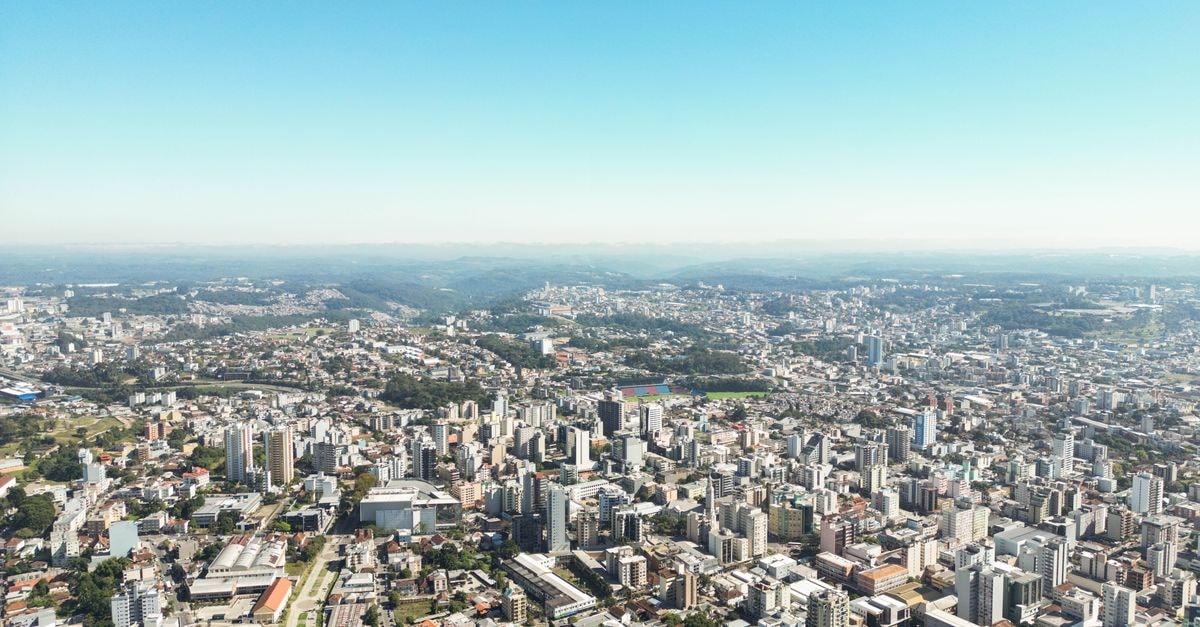
There is something quietly cinematic about arriving in Palmas for the first time. Set on the eastern shore of a vast reservoir and planned as a brand-new capital in the late twentieth century, the city has the wide boulevards, neatly numbered avenues, and orderly skyline of a place that was drawn on a page before it was poured into the landscape. Travelers who like destinations with a clear sense of geometry tend to find that order refreshing rather than sterile; it gives the city room to breathe, and it puts the water front and center.
That water matters here. The lake was created as part of a hydroelectric project and the shoreline is part of how the city understands itself. The lake stretches for 172 kilometers and covers roughly 626 square kilometers, washing the capital and five neighboring municipalities along its banks. If you are the kind of visitor who reads a map and immediately looks for the river, the reservoir, or the harbor, Palmas rewards that instinct.
This guide keeps things practical and grounded. It focuses on how to arrive, how the city is laid out around its lake, and how Brazilian food culture shows up on the table when you are here. It does not chase trends or pad sections that the evidence does not support.
Getting around Palmas
Palmas has a tidy, well-signposted layout that makes first-day navigation easier than in many Brazilian capitals. The most common arrival routes are by air and by long-distance bus.
The easiest way in for most travelers is to fly. Brigadeiro Lysias Rodrigues Airport serves the city and links Palmas to several major destinations across Brazil, which makes it workable for visitors connecting through other hubs rather than starting their journey on the ground.
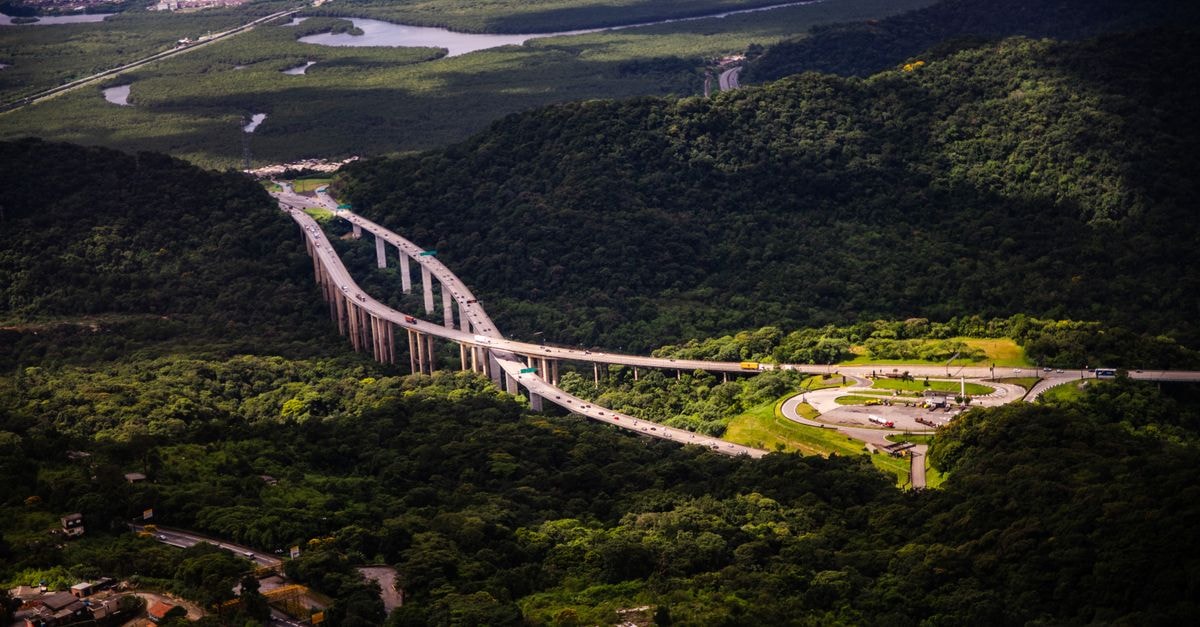
If you prefer the romance of a long road trip, long-distance buses are available from cities such as Brasília and Goiânia, offering a scenic route into the capital of Tocantins. The drive into Palmas along this approach tends to unfold gradually, with the Tocantins landscape opening up as you near the lakeshore, which can suit travelers who like to watch a country change outside the window.
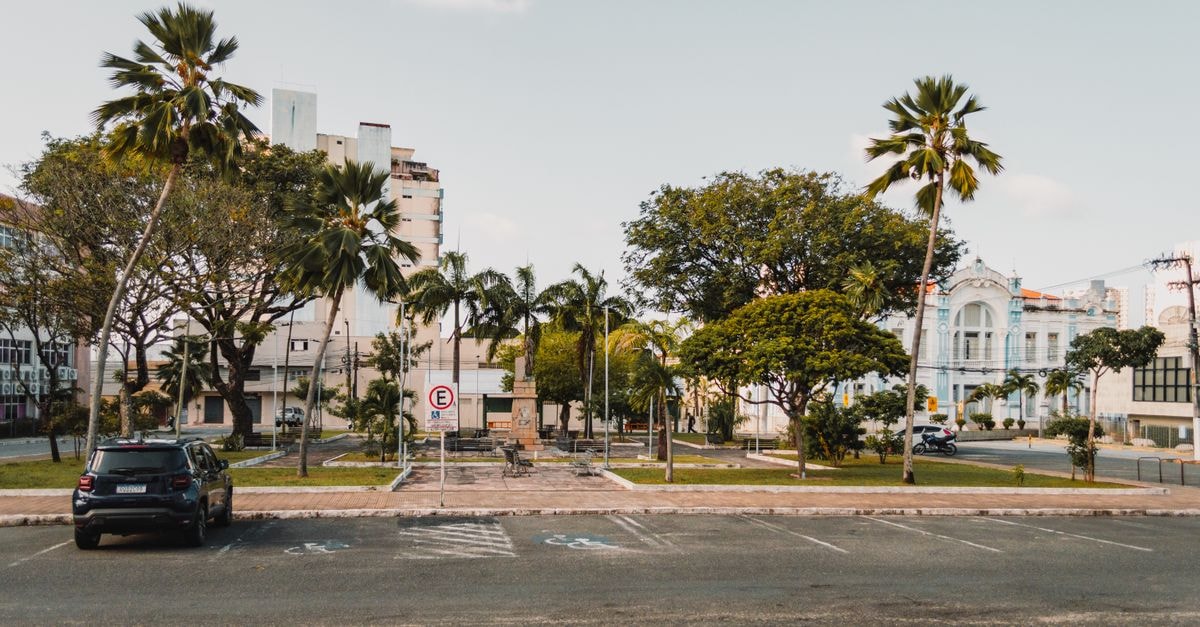
The local nickname for Palmas, framing it as the youngest of Brazil's state capitals and the heart of the country, often surprises first-time visitors. That sense of being new is part of why the city reads so clearly on a map: the avenues were named on a plan, the lake defines the edge, and the planned center means that, once you know your reference point, distances feel manageable. Travelers who feel disoriented by older Brazilian capitals with tangled historic centers often describe Palmas as a relief.
If you are the kind of visitor who likes to keep arrival logistics simple, flying in through Brigadeiro Lysias Rodrigues is the lower-friction choice. If you are the kind of traveler who treats the journey itself as part of the trip, consider the bus option from Brasília or Goiânia and let the Tocantins countryside set the mood before you arrive.
Lakeside rhythms and the shape of the city
Palmas owes much of its identity to the body of water that defines its western edge. The lake was formed as part of a hydroelectric project, and its 172-kilometer length and 626-square-kilometer surface area make it a constant presence in the city rather than a backdrop.
In practical terms, this means several things for a visitor. Many of the most natural places to wander sit close to the shoreline, and the city's planned grid means that once you orient yourself toward the water, distances feel predictable. The reservoir also ties Palmas to its surrounding municipalities, since the same lake supports several nearby communities; you do not need to leave the city to feel that you are part of a wider region.
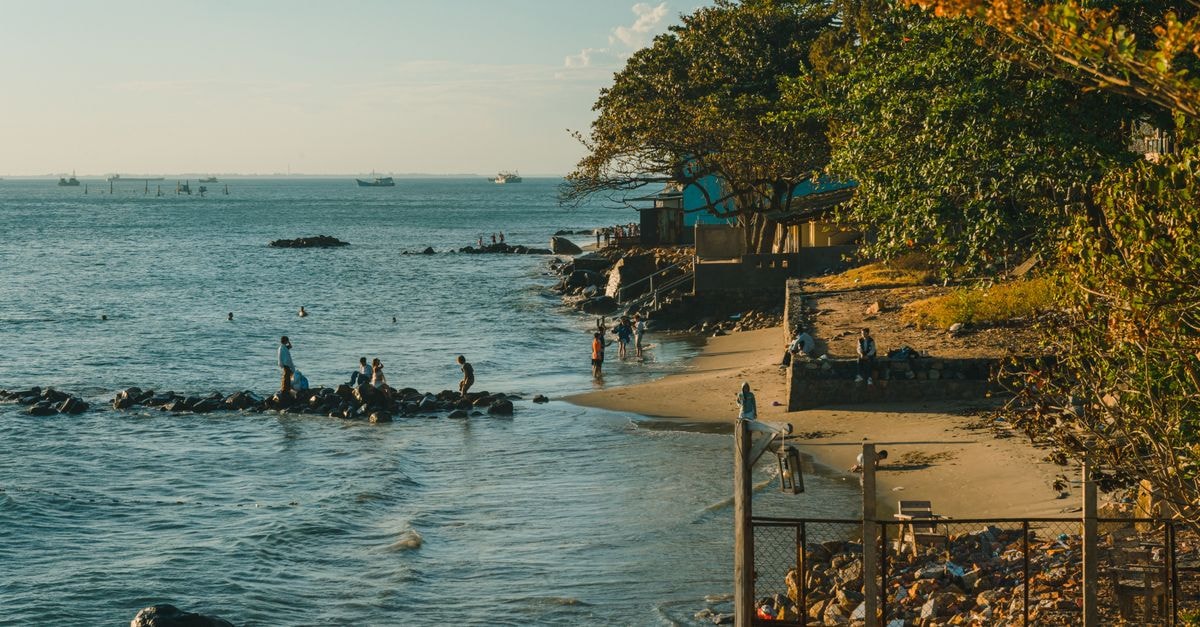
Travelers who like harbor views, waterfront promenades, or simply watching light move across a large body of water should plan to spend time along this edge rather than treating it as a passing view. If a quiet morning with the lake in front of you sounds appealing, the shoreline is where Palmas slows down. If you prefer denser urban sightseeing, the orderly central avenues still make cross-town movement straightforward.
Food and local context
Brazilian food is one of the country's great pleasures, and Palmas sits inside that wider story. Nationally, Brazilian cuisine is widely described as a vibrant mix of tradition and innovation, with regional recipes that have traveled, adapted, and spread across the country.
One dish visitors commonly encounter in Brazil is moqueca de camarão, a shrimp stew rooted in Bahian cuisine and very popular across the country. In a city like Palmas, set in the heart of Tocantins, dishes that draw on Brazil's broader seafood and stew traditions tend to show up alongside regional plates that lean on the rivers and farms of the central highlands. Treat these as the wider Brazilian context you may meet while dining in the city, rather than as a fixed Palmas menu.
If you prefer to anchor meals in national staples, you will find Brazilian dining culture welcoming to travelers who like to try what is local and ask questions about ingredients. If you have specific dietary needs, Palmas being a planned, modern capital with a younger population tends to mean restaurants are accustomed to a range of requests, though it is always worth checking directly with the place you plan to visit.
A useful approach for a first visit is to let one or two meals be about trying regional Tocantins flavors, and let the others be about familiar Brazilian dishes, so you leave with a feel for both the wider country and the place you are standing in.
Choosing what fits your trip
A few small choices shape how Palmas tends to feel. Decide early whether you want the ease of flying into Brigadeiro Lysias Rodrigues or the slow build of a bus from Brasília or Goiânia, since both routes shape your first impression. Decide whether your days will lean toward the shoreline and the calm geometry of the planned center, or toward wider exploration of the region's food and culture. Travelers who like water views and orderly streets often find Palmas a comfortable fit; travelers who want dense, layered historic neighborhoods may want to balance expectations and treat the city's modernity as the attraction rather than a compromise. Pack for warm central-Brazil weather, keep a flexible pace for the lakeside afternoons, and let the city's youth and order do some of the work for you.
A note before you go
Factual travel conditions can change. Schedules, services, prices, and on-the-ground details in Palmas and across Brazil shift over time, so it is worth checking official channels and up-to-date sources closer to your trip before you lock in plans. Treat the points in this guide as a starting framework rather than a final itinerary, and verify anything that affects your budget, schedule, or arrival logistics directly.
Exchange rates shown are for reference only; check the current live exchange rate before departure.
Share this article
TOOLS FOR THIS PLAN
Make the Palmas plan measurable
Choose a tool only when it answers the next question in your trip. Your values stay in the browser, and each tool offers a route back to this planning context.