Kamina at a Glance

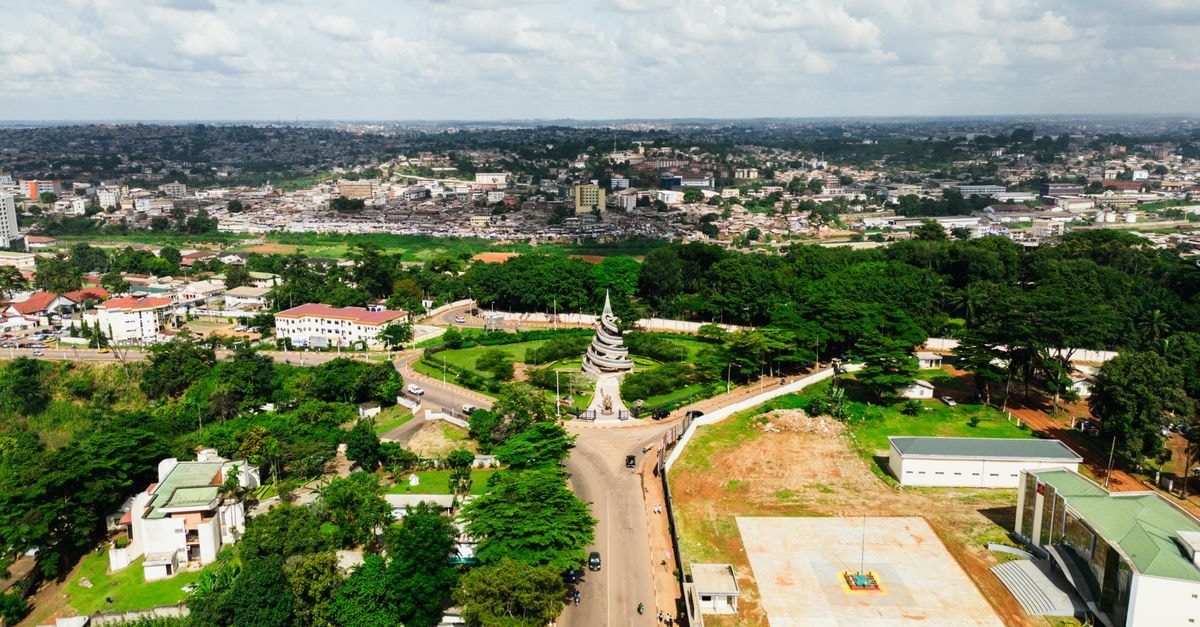
Kamina is an administrative center in Haut-Lomami, with governance central to its role in the region. That civic function gives the city a practical, working character rather than positioning it as a destination built around a list of headline attractions. Visitors can engage with local culture by observing the daily life of residents, an approach that allows the texture of the city to unfold at its own pace.
This guide keeps the focus on what is supported: Kamina’s administrative identity, the value of everyday cultural observation, the limited character of available lodging information, and the wider food traditions of the Democratic Republic of the Congo. It is designed for travelers who want a grounded introduction and prefer honest expectations over a packed itinerary.
Weather and Seasonal Context
The approved information does not provide temperatures, rainfall patterns, or a direct account of conditions during a particular travel period. For that reason, this evergreen guide does not prescribe a season or describe what the weather is likely to feel like in Kamina.
A practical advantage of avoiding seasonal claims is that the city’s identity can be considered on its own terms. Kamina functions as an administrative center, and visitors can observe local culture through the daily life of its residents. The city’s governance role and everyday routines are more firmly documented than its weather or calendar of events.
If weather matters to your planning, treat it as a detail to verify separately through current official information rather than relying on a fixed forecast described here. The same principle applies to conditions that may influence a particular day: local guidance and up-to-date information should take precedence over broad assumptions.
Where to Stay in Kamina
Available evidence points to Kamina Hotel Provincial and describes guesthouses as limited options, with Premium Limited options also noted as something to arrange in advance. The wording is best understood as planning guidance rather than a complete directory of properties or a guarantee of current availability.
For a stay centered on Kamina, it makes sense to identify your preferred accommodation early and confirm the arrangement directly before traveling. Because the available options are described as limited, advance planning can reduce uncertainty and help align expectations with what is actually available. This does not establish a room category, rate, service standard, or booking channel.
It is also worth keeping the purpose of the trip in view. Kamina’s importance as an administrative center means a visitor may be there for work, regional connections, or cultural observation. Whatever the reason, accommodation should be treated as a practical component of the plan rather than as the city’s main attraction.
A City Shaped by Administration and Everyday Life
Kamina’s role as an administrative center is its clearest supported city-level identity. Governance is central to how the city functions within Haut-Lomami, giving travelers a useful framework for understanding the place without reducing it to an unsupported collection of landmarks.
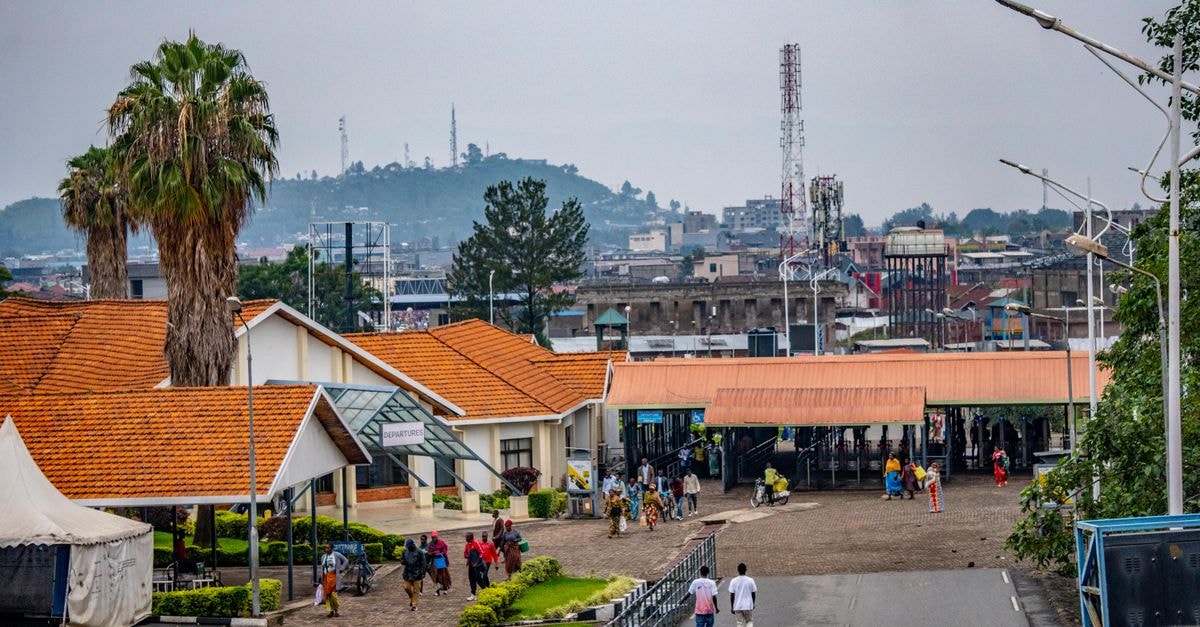
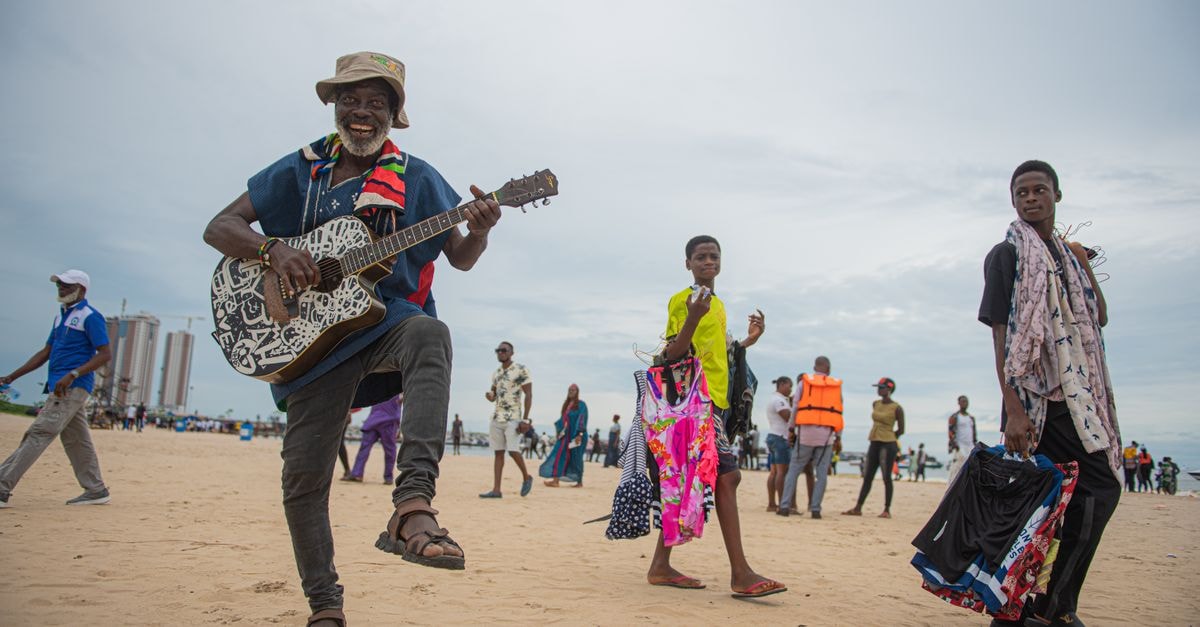
The city can also be experienced through its people and routine. Visitors have the opportunity to observe local culture and the daily life of residents, whether through ordinary public settings or the simple rhythm of the stay. This kind of travel asks for attention rather than a checklist: notice how the city is used, how people move through it, and how administrative life sits alongside everyday activity.
That approach is especially useful because the evidence does not support a dense catalog of named attractions, opening hours, or timed experiences. It instead supports a more measured way of visiting: come with curiosity, allow space for everyday encounters, and avoid assuming that the city offers a particular attraction simply because it is a regional center.
Food and Local Context
Wider Congolese food culture can provide useful context for meals encountered during a visit to Kamina, but the approved evidence does not establish specific restaurants, markets, menus, or dishes as Kamina specialties. It would be misleading to turn national context into a city-specific recommendation.
Across the Democratic Republic of the Congo, food and drink vary widely and reflect the traditions of different Indigenous peoples. One broad description characterizes the country’s flavors through plantain smoke and the heat of palm oil. That is cultural context, not a promise that a particular ingredient or dish will appear in a particular venue in Kamina.
Fufu, also identified in the evidence as ugali, is a vegetable-based staple described as a foundation of traditional Congolese food culture. It may be useful background for interpreting a dish encountered while traveling, but the source does not confirm that it is served by a named Kamina establishment or define a city-specific preparation.
Because menus, ingredients, and dining practices can vary, the most grounded approach is to keep an open mind while distinguishing national food heritage from verified local offerings. A visitor interested in cuisine can use this context as a reading list for possibilities, then ask locally what is available rather than treating it as a fixed Kamina dining plan.
A Grounded Way to Experience Kamina
Kamina suits a traveler who values context over spectacle. Begin with its administrative role, then let the city reveal itself through the daily life of residents. This creates a coherent visit without inventing a chain of attractions or treating general information as proof of a particular venue, event, or experience.
The same restraint is helpful when planning the stay. Accommodation information is limited, so identify options early and confirm the practical details directly. For food, use the wider Democratic Republic of the Congo as a frame for understanding possible flavors and staples, while checking what is actually available in Kamina rather than assuming a city-specific specialty.
The resulting trip is modest but meaningful: a visit organized around regional administration, everyday cultural observation, realistic lodging expectations, and an informed appreciation of Congolese food culture. It favors presence over performance and leaves room for the city itself to determine what the experience feels like.
Before You Go
Factual travel conditions can change, and official channels should be checked before departure. This is especially important for accommodation availability, local services, current conditions, and any arrangements not specified in the available evidence. The guidance here is intentionally durable and does not claim live confirmation of services or temporary circumstances.
Share this article
TOOLS FOR THIS PLAN
Make the Kamina plan measurable
Choose a tool only when it answers the next question in your trip. Your values stay in the browser, and each tool offers a route back to this planning context.