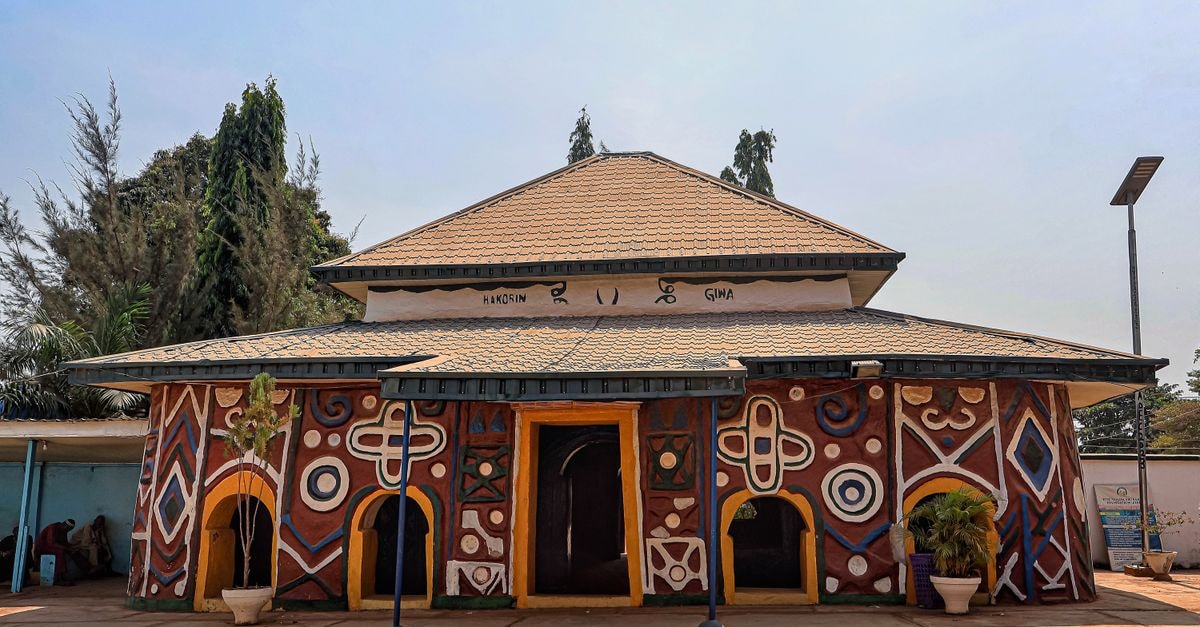
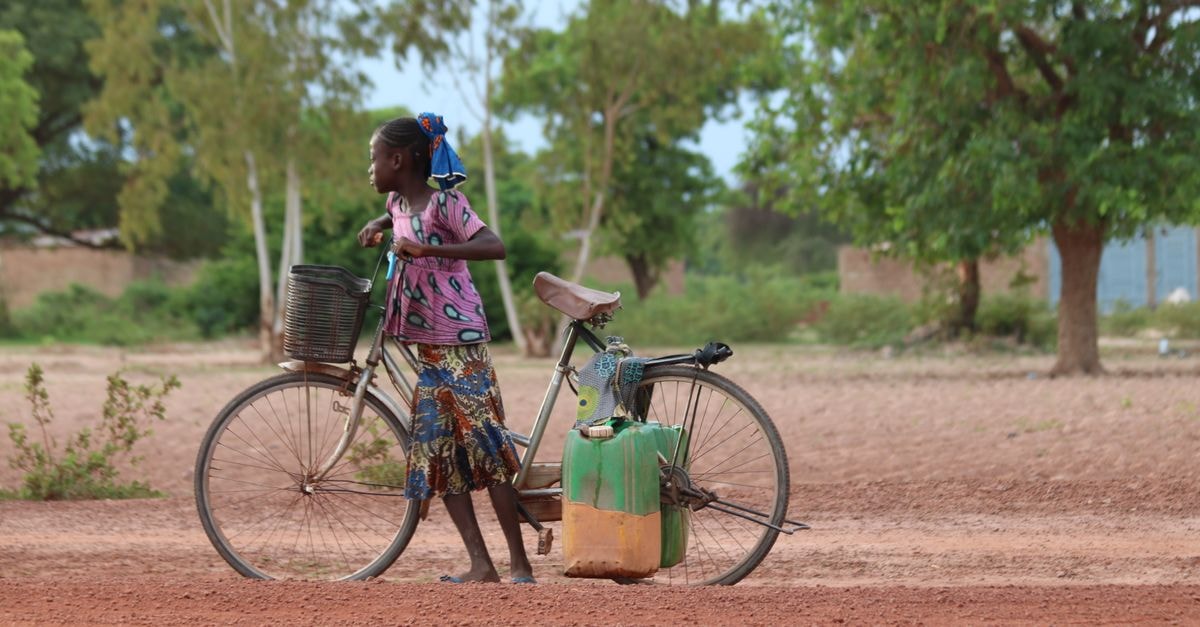
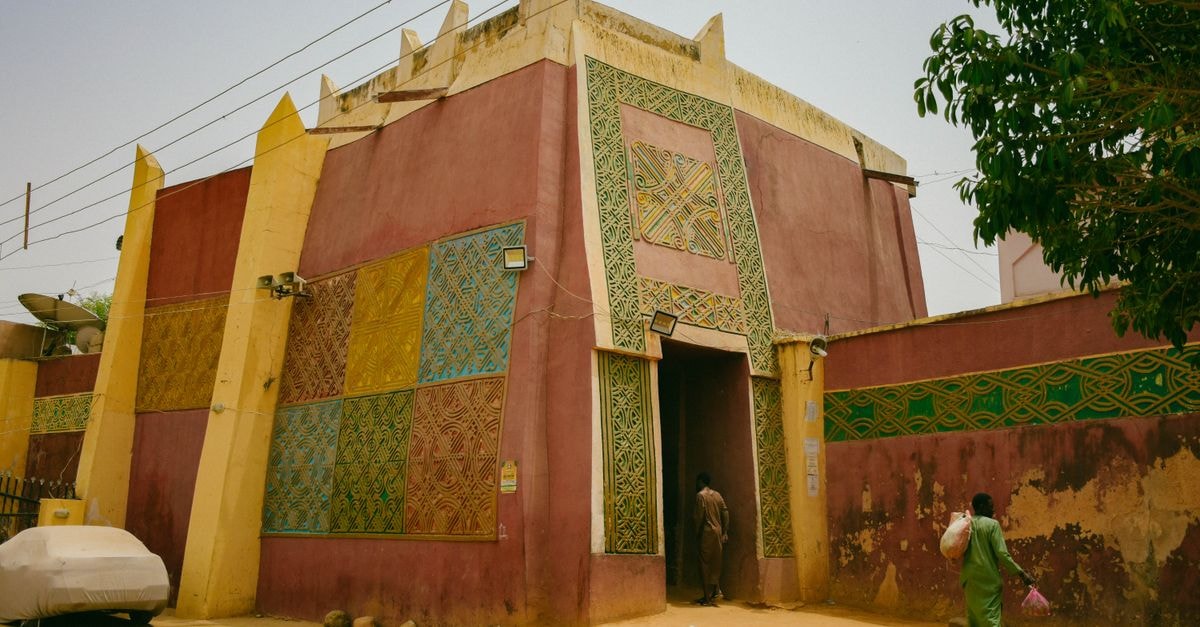
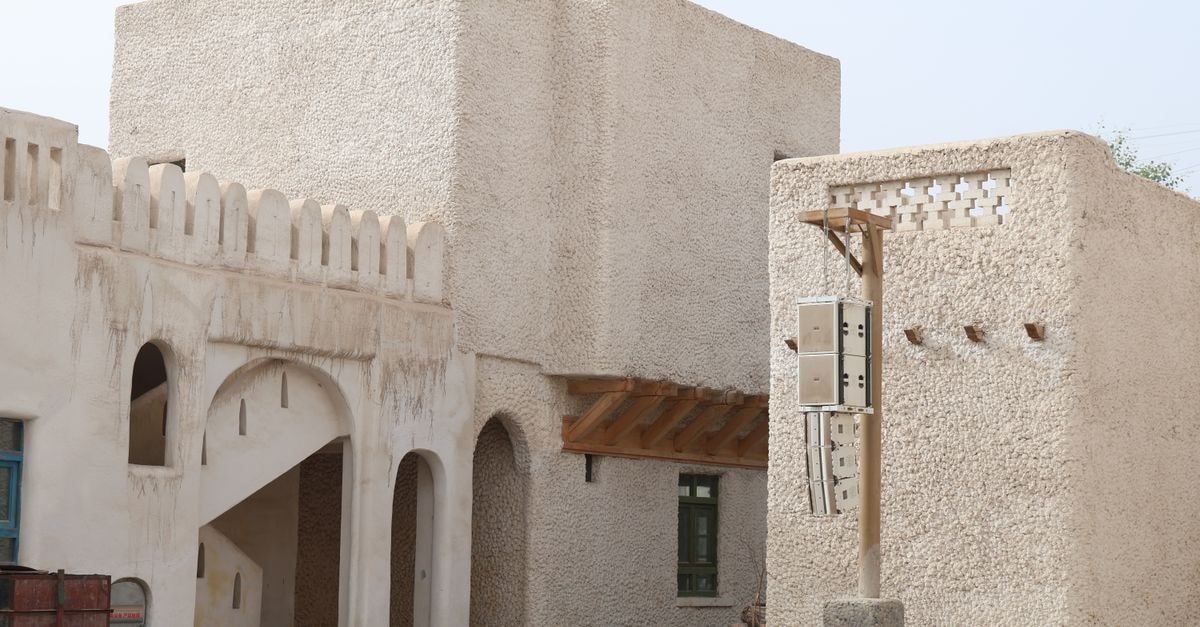
Kaya is a quietly charismatic city in the north of Burkina Faso, the kind of place where the rhythm of the market and the patience of the weavers set the daily tempo. Sitting northeast of the capital, it carries a small-town warmth while still acting as a genuine hub for the surrounding region, which means you get a sense of real northern Burkinabè life without feeling like you are wandering off the map. Visitors drawn to handicrafts, regional culture, and an off-the-beaten-path feel tend to find it especially rewarding.

City overview and cultural character
Kaya is described in travel sources as a charming city known for its rich cultural heritage, lively markets, and welcoming locals, and that blend of energy and hospitality tends to be the first thing visitors notice on arrival. It is also recognised as the fifth largest city in Burkina Faso, serving as a major hub for the surrounding region, giving Kaya the role of a true regional capital rather than a simple waypoint.
What sets the city apart for many travellers is its artisanal backbone. Weaving and tanning are highlighted as the industries integral to the local economy, and that heritage is visible not just in workshops but in the everyday dress and household goods you encounter around town. For visitors who love textiles and leatherwork, Kaya offers a more grounded, working-artisan experience than a museum stop: the crafts are simply part of how the city breathes.
Even basic traveller guides frame Kaya as "a pretty good destination in Burkina Faso," with the wider country context offered as supporting reference. That positioning makes it a satisfying choice for travellers who want a sense of place beyond the headline cities, and who are comfortable letting the experience unfold organically rather than chasing a packed checklist.
Weather and seasonal context
Kaya sits in the Sahel transition zone of Burkina Faso, which shapes how a visit actually feels on the ground. The climate tends to be hot for much of the year, with a clearly marked wet season and a long dry stretch, so the way you plan your days often matters as much as the places you visit.
In practical terms, the heat can feel intense in the middle of the day, and pacing yourself around it is usually the most useful travel habit. Many visitors find that early mornings and late afternoons are the most comfortable windows for walking through markets, visiting artisans, or exploring the surrounding neighbourhoods, while the hottest hours are best reserved for a slow meal, a shaded café, or simply pausing the day.
Because Kaya functions as a hub for a large regional population, the markets and streets tend to have a steady, year-round rhythm rather than a single peak tourist window. That said, seasonal rains can affect road conditions and rural transport in the wider area, so travellers planning to move beyond the city centre should generally expect to build in extra time and flexibility.
It is worth treating any climate impression as a general guide rather than a fixed rule. Conditions can vary year to year, and local advice on the ground, asked once you arrive, will almost always be more current than anything written in advance.
Getting around and reaching Kaya
Reaching Kaya is straightforward in concept but deserves a little planning. The city sits northeast of Ouagadougou, the capital, and most visitors arrive overland by road from there. Burkina Faso does not have an active national passenger rail service that serves Kaya, so the train is not an option for getting to or from the city.
For air travel, there are private or government flights that may use local airstrips around Kaya, but these are not scheduled for public travel, which means visitors should plan to arrive by road rather than booking a commercial flight into the city. From Ouagadougou, shared transport, private cars, and intercity buses are the usual ways to make the roughly several-hour journey north.
Once in Kaya, the city itself is compact enough to navigate on foot for most short stays, especially around the central market and craft areas. Motorcycle taxis and local taxis are commonly available for longer hops or for reaching neighbourhoods on the outskirts, and they are usually the most practical way to move around the city once you have settled in.
A few simple habits tend to make getting around smoother. Carrying small local currency for motorcycle taxis and market purchases makes everyday transactions easier, asking locally about current road conditions before any longer journey is wise, and allowing extra time for travel in and out of the city is generally a good idea given its role as a regional hub.
A note on Burkina Faso context
Because Kaya is the cultural and economic centre of the surrounding region, many of the wider customs and food traditions visitors encounter reflect broader Burkinabè patterns rather than purely local inventions. This nationwide context can show up in shared meals, greeting etiquette, and the rhythm of the market day, and understanding it gently can deepen a visit without requiring any specialist knowledge.
Approaching these moments with curiosity rather than expectation usually serves travellers well. Locals are generally happy to explain a dish, a greeting, or a custom when asked respectfully, and that exchange is often one of the most memorable parts of a stay in this part of Burkina Faso.
Planning your stay
Kaya rewards a relaxed approach. A short stay of a few days is usually enough to settle into the city's pace, spend unhurried time in the weaving and tanning quarters, and let the market rhythm become familiar. Travellers interested in crafts may want to allow extra time simply to talk to artisans and, where appropriate, watch the work in progress rather than treating it as a quick photo stop.
Practical considerations worth keeping in mind include carrying sufficient cash for daily expenses, since card payment is not something the available information confirms as a norm in the city, dressing in light, modest clothing suitable for a hot climate and local customs, and staying attentive to guidance from local contacts or hosts regarding movement around the wider region.
Above all, Kaya is a city to experience rather than to rush. Its appeal lies in the weave of everyday life: the textiles, the tanning traditions, the market mornings, and the unhurried welcomes. Travellers who arrive with patience and curiosity tend to leave with a much fuller sense of northern Burkina Faso than they expected.
Verification note
Travel conditions, transport availability, and local services can change at short notice in any destination, and Kaya is no exception. Before travelling, it is sensible to check current official travel advisories, confirm road and transport conditions locally, and verify any details that could affect your plans. The information in this guide reflects general city characteristics and should be treated as a starting point rather than a final answer.
Prices, opening hours, schedules, reservation rules, and local conditions can change; verify them through official channels before departure.
Share this article
TOOLS FOR THIS PLAN
Make the Kaya plan measurable
Choose a tool only when it answers the next question in your trip. Your values stay in the browser, and each tool offers a route back to this planning context.