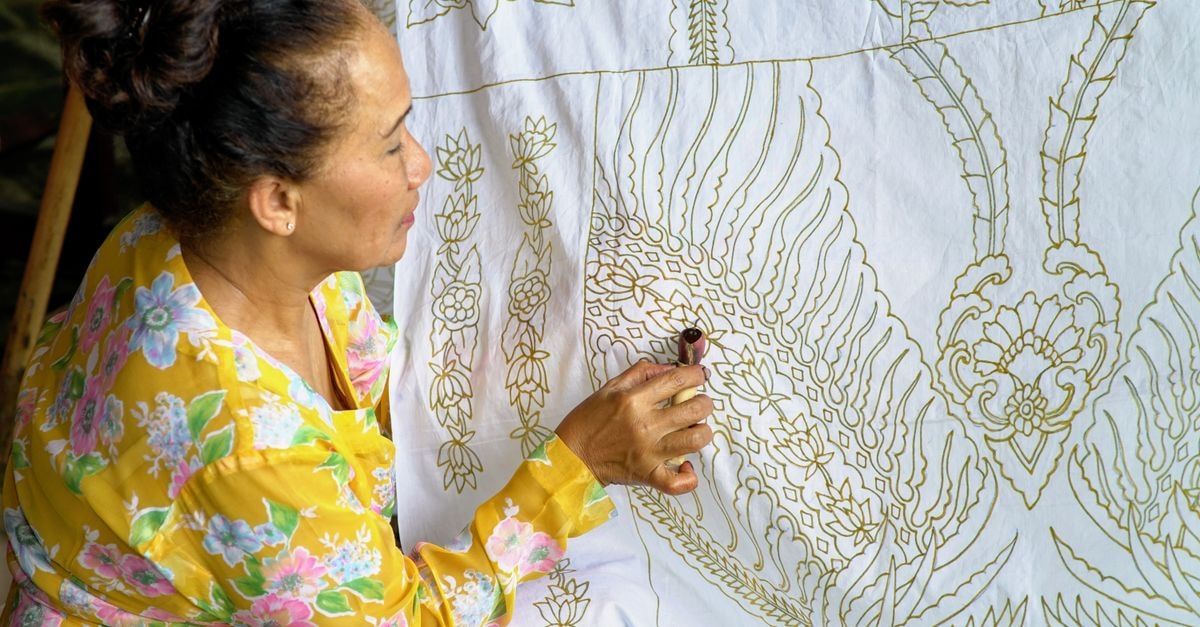
Setting the scene in Khorramabad
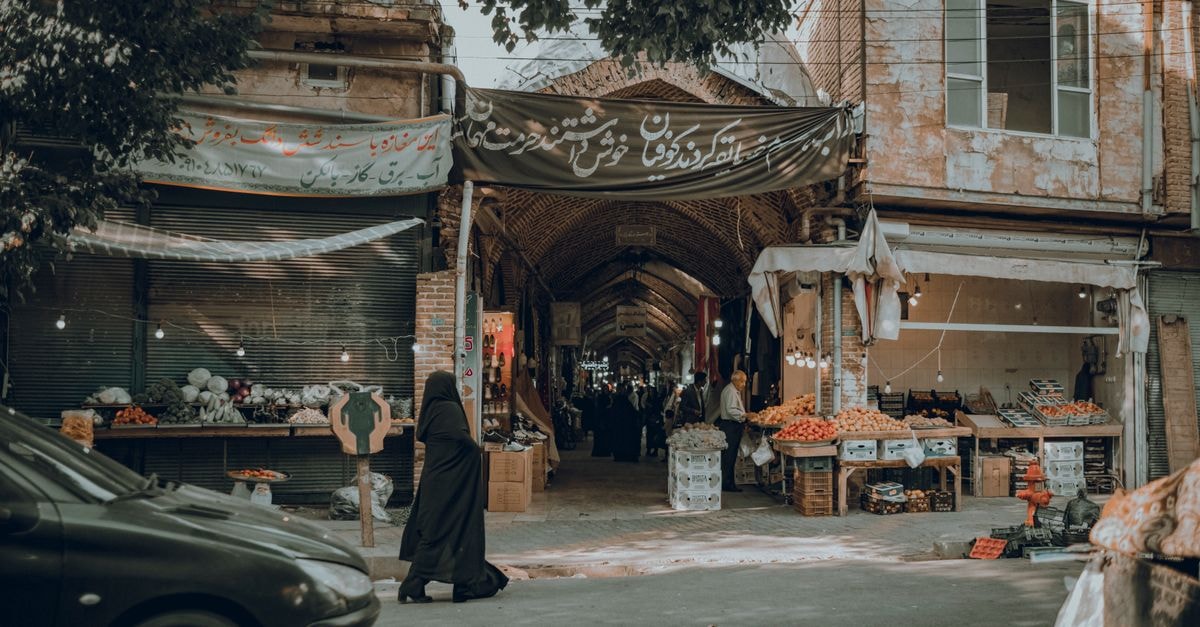
Tucked into the folds of the Zagros Mountains, Khorramabad is the kind of Iranian city that rewards unhurried attention. It moves at a steadier pace than Iran's megacities, with a downtown that gathers shops, mosques, and eateries within walking distance of one another, and a layered past that surfaces in stone, brick, and conversation. Travelers tend to arrive curious about its Lorestan identity, drawn by references to ancient hilltop fortifications and the broader heritage of western Iran, and they leave talking about mountain air, slow afternoons over tea, and plates of food that feel unmistakably regional.
Because the city is described as a four-season place, there is no single window that defines it; each stretch of the year carries its own light and rhythm. That said, what travelers often mention is the texture of the surroundings more than any calendar date: limestone ridges nearby, older neighborhoods where daily life still clusters around shared courtyards, and a hospitality that tends to feel personal rather than performative.
Getting around
Khorramabad's city center is the most useful anchor for getting oriented. The bustling heart of Khorramabad gathers key landmarks, shopping districts, and dining options in one walkable zone, which means a great deal of the city can be experienced on foot, with the help of Google Maps to thread between streets that branch off the main arteries.
For longer arrivals, Khorramabad Airport (KHD) connects the city by domestic flights, so most independent travelers will reach Khorramabad by air and then move into town by local taxi or ride. Within the city, having a sense of the central neighborhood as your home base pays off, since most practical needs (eateries, shops, daily errands) tend to cluster close to that core. Visitors who prefer to stay on foot should consider a hotel in or near this central area, which keeps the day fluid and reduces reliance on transport for casual outings.
Attractions and planning
Khorramabad carries a weight of history that shapes how visitors experience it. The city has a tragic and long past, and that history has left the area with a significant number of attractions spread across its neighborhoods and surroundings, rather than a single marquee sight.
Because the heritage is layered rather than concentrated, planning tends to favor breadth over checklist culture. A practical approach is to choose two or three focal points per day and let the rest unfold: a morning spent exploring a historic structure, an afternoon walk through a neighborhood, and an evening pause at a tea house or square. Travelers who prefer depth over coverage may want to focus on the older parts of town, where the city's history feels present in the streetscape itself.
A short planning note: since the city spans historical sites, museums, natural settings, and modern shopping centers, the rhythm of a visit can easily become a mix of indoor and outdoor stops. Building in unhurried transitions between them tends to suit the climate of the Zagros foothills, where midday sun can feel strong and the evenings cool quickly.
Food and local context
Khorramabad's food scene is a quiet highlight, and a few named spots in town are worth knowing about. Two restaurants that show up repeatedly for visitors are Golden Saffron and Shemshad Nemouneh, both described as serving a variety of Persian dishes alongside local Khorramabad specialties. In practice, that means menus that bridge familiar Iranian staples with regional flavors unique to Lorestan, so a traveler can sample familiar comfort food while also tasting what makes the local table distinct.
Beyond these specific restaurants, Iranian dining culture more broadly shapes what visitors encounter in Khorramabad. Meals tend to be social occasions, with shared plates of rice, kebab, herb stews, and flatbreads, and tea or doogh often closing out a long lunch rather than rushing the table. Many traditional restaurants across Iran, including those in regional cities like Khorramabad, lean into this rhythm, so visitors who prefer a slower, sit-down meal will find the format welcoming.
For travelers who care about food as a window into place, consider treating at least one lunch as a tasting rather than a quick stop, and ask the restaurant which dishes are most local to Lorestan; staff are usually happy to point out what is specific to the region versus what is pan-Iranian. Travelers with less interest in regional cuisine will still find familiar Persian options readily available, so the table here tends to accommodate both curiosity and caution.
Choosing what fits your trip
Khorramabad suits travelers who enjoy cities where history, food, and everyday life sit close together, and who are comfortable moving at a relaxed pace. A few tradeoffs are worth weighing as you plan.
If your priority is dense, walkable sightseeing with reliable food options close at hand, the central neighborhood as a base will serve you well, since landmarks, shopping, and dining cluster there and Khorramabad Airport offers a domestic-flight arrival option. If you prefer a quieter trip with more time for reflection than for covering many sites, the city's layered history and slower Lorestan rhythm tend to reward that pace, especially when paired with longer meals. If you are more interested in regional cuisine than in standard Iranian fare, prioritizing a visit to spots like Golden Saffron or Shemshad Nemouneh can anchor that interest early in the trip.
A note before you go
Travel conditions can shift: opening hours of specific sites, restaurant menus, flight schedules to Khorramabad Airport, and local transport details are best confirmed through official channels and current listings before you arrive. Treat this guide as a starting frame for the city rather than a fixed timetable, and verify any time-sensitive detail on the ground.
One practical question worth checking ahead of time is whether the specific historical site you most want to visit is open to visitors on the day you plan to go, since opening patterns for heritage sites in regional Iranian cities can vary by season and weekday.
Share this article
TOOLS FOR THIS PLAN
Make the Khorramabad plan measurable
Choose a tool only when it answers the next question in your trip. Your values stay in the browser, and each tool offers a route back to this planning context.