A first impression of Pekalongan
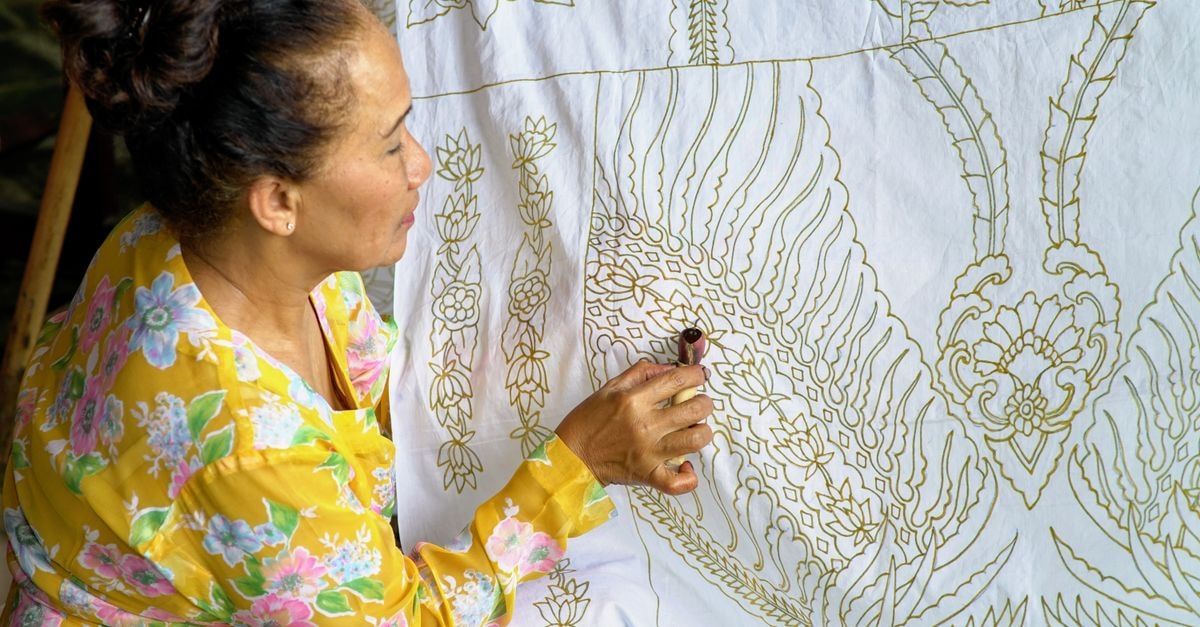
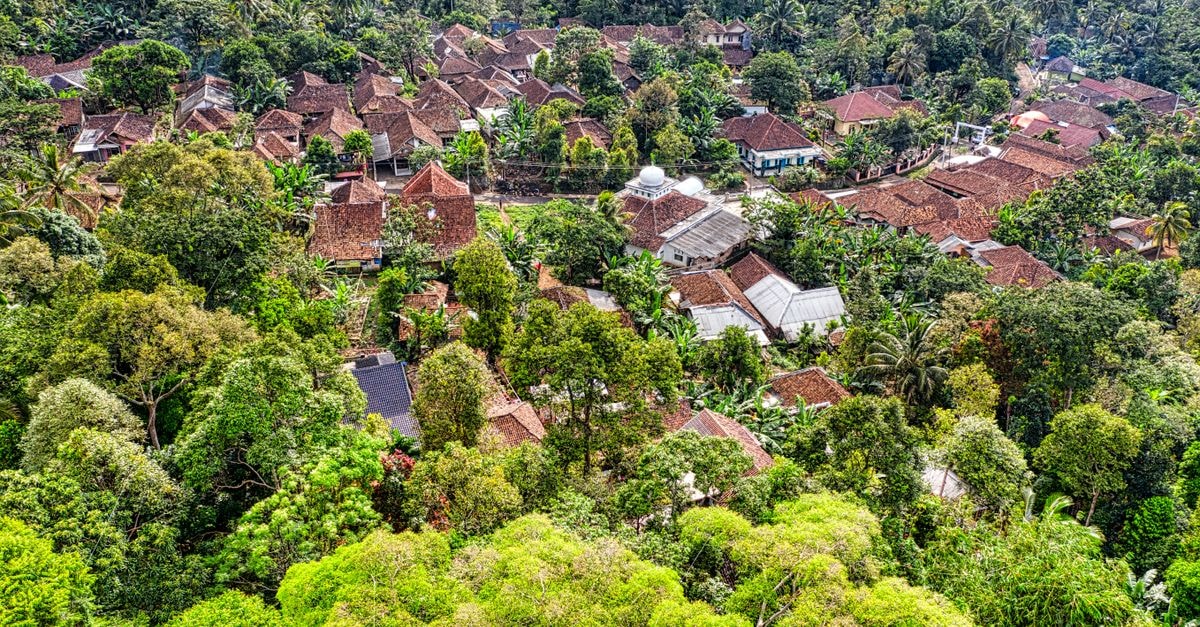
Pekalongan sits on the north coast of Central Java, and it reads quickly as a city with two strong identities: a long batik tradition that runs through almost every street, and a kitchen that is proud of its own recipes. Travelers who arrive with an interest in craft heritage and everyday food will find the city unusually generous, because the two threads are woven tightly together here. This guide gathers the most reliable things to do in Pekalongan, with a focus on the small set of landmarks the city is best known for and the dishes that any visitor curious about local flavor should try to sample.
Attractions and planning
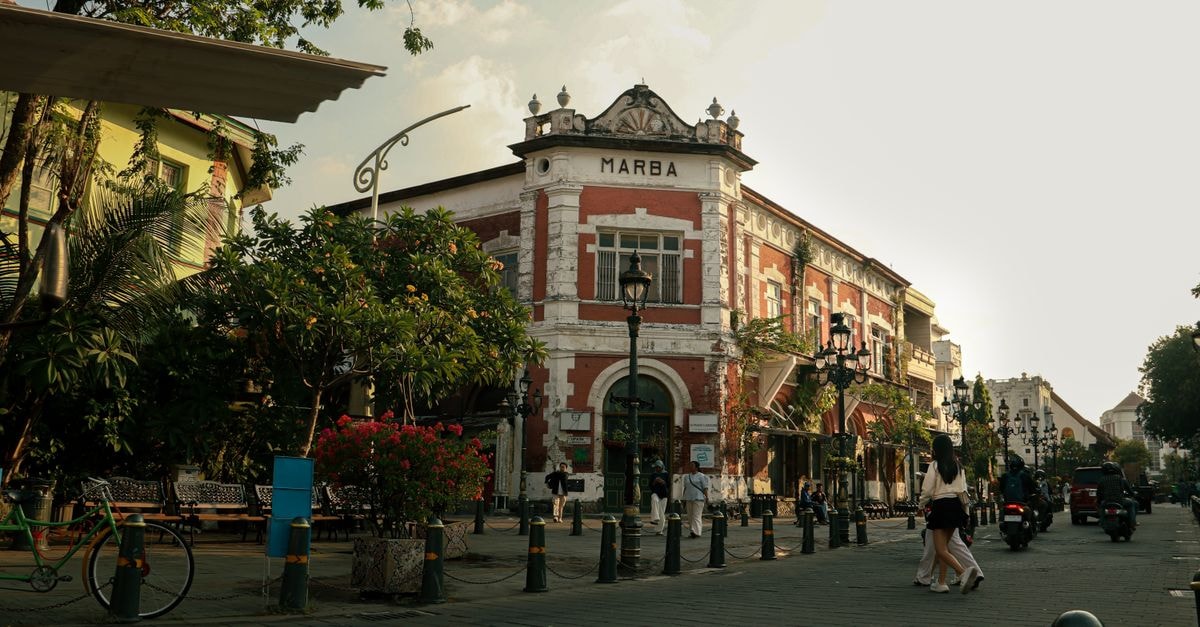
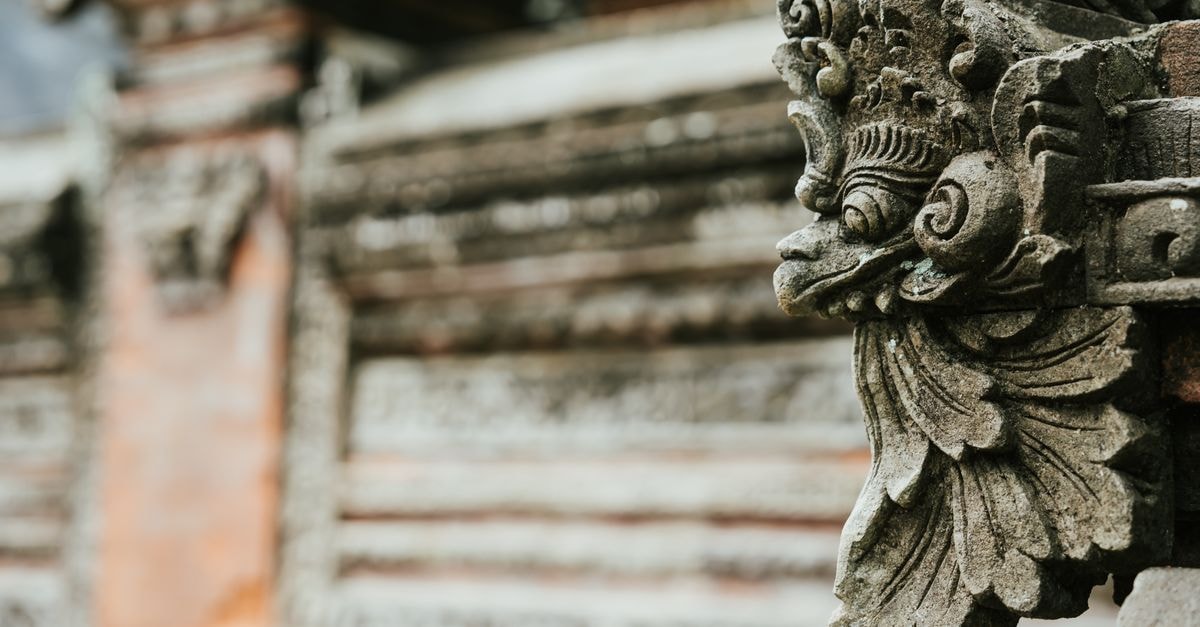
The clearest way to plan a visit to Pekalongan is to anchor the trip around its three most recognized landmarks. Notable places to visit in Pekalongan include the Batik Museum, the Great Mosque, and the Blenduk Church, and each one speaks to a different layer of the city's story. The Batik Museum is the natural starting point for understanding why Pekalongan has long been called a batik capital, and it gives visitors a shared vocabulary before they wander into the surrounding workshops and stalls. The Great Mosque and the Blenduk Church reflect the city's religious harmony in built form, and walking between them allows for a short, easy loop that mixes architecture, neighborhood atmosphere, and a sense of the everyday.
If you are collecting what to do in Pekalongan into a simple plan, consider pairing the museum with a relaxed stroll past the religious landmarks and the batik neighborhood. Visitors who prefer a slower day built around one theme may want to leave the museum for a longer stop, since batik is easier to appreciate once the patterns and process have been introduced. Travelers who would rather cover more ground lightly can treat all three as orientation points and return to any that catch their interest. Beyond the headline sights, the city's listings of tours, activities, and accommodations are the practical place to look for current options on the ground.
Because specific opening hours, ticket details, and temporary conditions are not part of the available facts here, it is worth confirming them through the official museum, the local tourism office, or a current guidebook before committing to a schedule.
Food and local context
For a city of its size, Pekalongan has a tightly defined food identity, and the two dishes most visitors hear about are the right ones to prioritize. After the batik products, Pekalongan is also famous for its culinary offerings, and Megono is the first name that comes up. Sego Megono is rice served with sliced young jackfruit and grated coconut, a combination that is simple, fragrant, and very much rooted in the local pantry. Travelers who prefer lighter, vegetable-forward meals may find Megono especially welcome after heavier meals elsewhere in Java.
The second signature dish is Taoto, a kind of soto made with tauco, or fermented soybean, and prepared with meat and buffalo spices in a savory broth. Taoto is described as a spicy thick soup of meat broth made from Pekalongan taoco, which gives it a deeper, saltier profile than many other Indonesian soups. Travelers who enjoy bold, fermented flavors and are comfortable with a little heat will likely find Taoto one of the most memorable tastes in the city. It also helps explain why Pekalongan developed a culinary reputation beyond its batik fame.
A small amount of wider Indonesian context can frame these dishes. Indonesian cuisine is rich in variety and taste across the archipelagos, and the country's food culture is understood as a way of carrying regional identity, not just a question of recipes. Visitors may encounter that idea in Pekalongan through the pride that local kitchens take in dishes like Megono and Taoto, where a single ingredient such as taoco or young jackfruit can anchor an entire meal. Treating the two signature dishes as a paired introduction, rather than sampling them in isolation, often gives travelers a clearer sense of the city's flavor than a long list of options.
Choosing what fits your trip
Because Pekalongan is a compact city with a narrow set of headline sights, the most useful decisions are usually about pacing rather than itinerary length. Travelers who arrive with a strong interest in craft and textile heritage may want to give the Batik Museum an unhurried visit and then look for nearby batik activity on foot, since the museum sits inside a neighborhood shaped by that trade. Visitors who care more about food than museums can build a short trip around a Megono lunch and a Taoto dinner, with the religious landmarks kept as easy stops between meals. Those who prefer cultural landmarks over both craft and cuisine can still find a satisfying half day in the Great Mosque and the Blenduk Church, which sit close enough to combine comfortably. If you prefer not to switch themes often, consider choosing one anchor for the trip and using the rest of the city as context around it.
A note before you go
Batik, mosque, church, Megono, and Taoto are the throughline of any first visit to Pekalongan, and the city is at its best when travelers treat those five touchstones as a connected story rather than separate checklist items. Factual travel details such as opening hours, prices, and transport conditions can change, so check the Batik Museum, local tourism channels, and your accommodation for the latest information before you set out.
Prices, opening hours, schedules, reservation rules, and local conditions can change; verify them through official channels before departure.
Share this article
TOOLS FOR THIS PLAN
Make the Pekalongan plan measurable
Choose a tool only when it answers the next question in your trip. Your values stay in the browser, and each tool offers a route back to this planning context.