A city shaped by copper and community

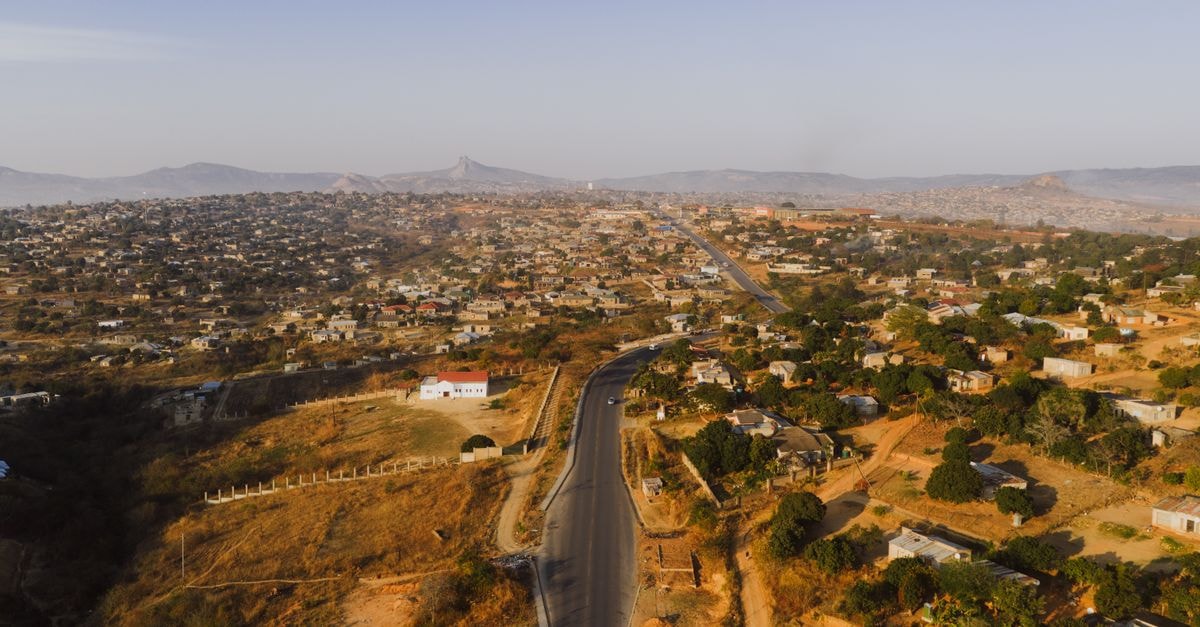
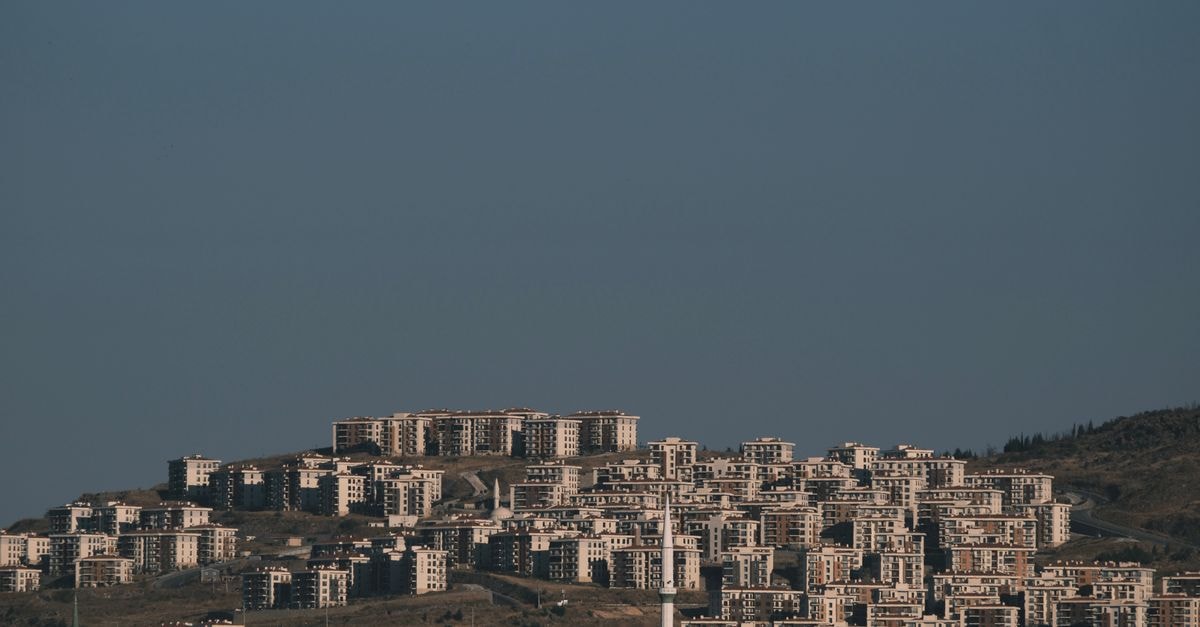
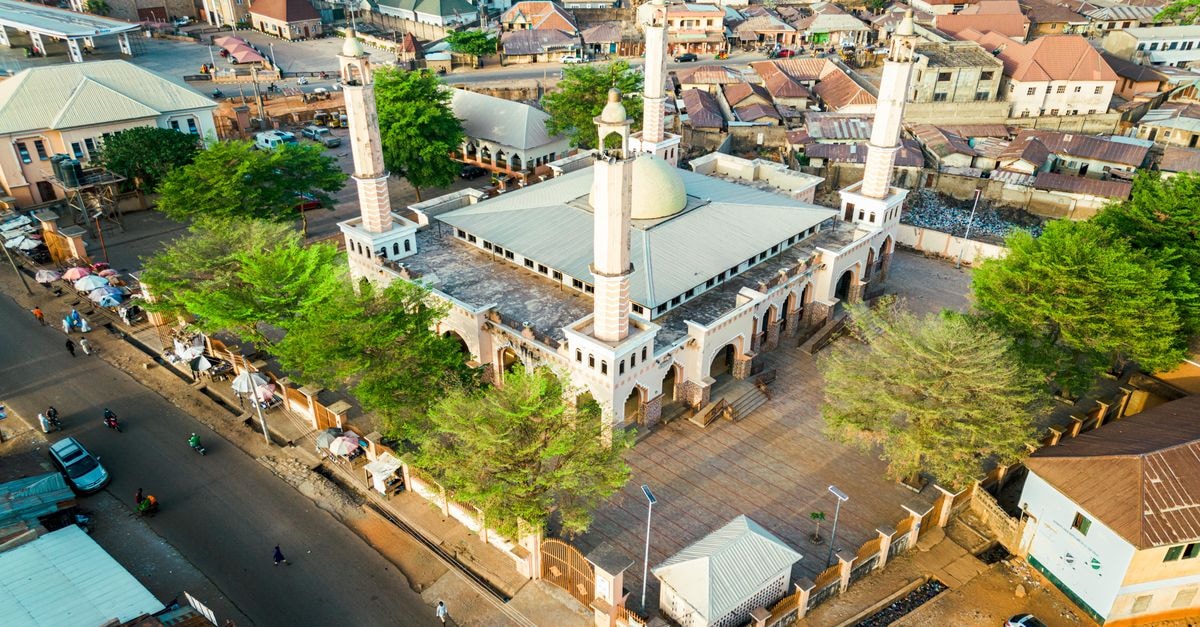
There is a particular kind of energy in places that grew up around a single industry, and Kitwe wears that history openly. Set in Zambia's Copperbelt Province, it has long been described as a vital development center, with mining operations alongside business sectors and a dynamic community life that gives the city its rhythm. Travelers who only know Zambia through its headline wildernesses sometimes overlook this part of the country, which means arriving in Kitwe can feel like stepping into a side of the country that is lived in rather than performed for visitors.
A few framing details help set expectations. Kitwe is the second largest city in Zambia by population, sitting behind Lusaka, and it carries the cultural nickname of the kopala experience alongside warm Zambian hospitality. Visitors often arrive expecting a purely industrial stopover and leave with a more textured impression of everyday Copperbelt life.
The rest of this guide stays focused on what the approved evidence actually supports: how the city has been described, how it functions as a working destination, what a traveler should know about moving through it on a budget, and the wider Zambia context that tends to frame a visit here.
How Kitwe is described as a destination
It helps to read Kitwe through the lens that local and regional sources use, because the city is often introduced by what it is not, before it is introduced by what it is. Travel writing about Kitwe frequently notes that the city "often goes unnoticed by travelers" and that the Copperbelt is treated as background rather than destination, even though the same sources point out that this industrial hub has more to offer than just its mining background.
That framing matters because it changes how a visitor approaches the trip. Kitwe is positioned in guide material as a place for tourists, investors, and expatriates considering a longer stay, rather than a one-afternoon stop. Practical guides written for visitors describe Kitwe as a city that grew rapidly as copper mining expanded, becoming a vital economic hub for the country, which is a useful anchor when thinking about where to walk, where to eat, and where to base yourself.
The cultural shorthand worth carrying with you is simple: kopala culture and warm Zambian hospitality are the phrases most often used to describe the social texture of the city. Nothing about that needs to be over-interpreted; it is the language local commentators reach for when they want visitors to understand that the city has an identity beyond its mines.
Getting around and budgeting in Kitwe
One of the more useful things a traveler can learn before arriving in Kitwe is how the city fits into Zambia's wider cost picture. Kitwe sits in the province with the lowest inflation in the country and some of its cheapest groceries, which is a meaningful detail for anyone planning to spend more than a day or two on the ground. Budget-focused coverage of the Copperbelt frames a visit around the question of how to plan a weekend in the city, which costs are fixed by regulation, and where spending quietly adds up, suggesting that the local cost story is nuanced rather than uniformly cheap or expensive.
That same budget-oriented framing is worth keeping in mind when moving through the city. The Copperbelt's reputation for cheaper groceries does not translate automatically into cheap everything, and regulated prices exist alongside areas where spending can creep up. Without quoting specific fares or services that the approved evidence does not list, the practical takeaway is that a visitor who is curious about everyday prices should plan around the regulated items being predictable, while leaving a flexible margin for the items the sources flag as common budget leaks.
It is also useful to remember that Kitwe's identity as a working mining and economic hub affects how the city moves. The rhythm here is shaped by shift work, business activity, and a population used to functioning as a regional center, rather than by tourism flows. Travelers who arrive expecting a leisure-oriented resort pace may find that adjusting to that working rhythm is part of the experience.
Food and wider Zambia context
The approved evidence for food in this guide is rooted in Zambia-wide cultural material rather than city-specific menus, so it is worth being careful about what can and cannot be said about eating in Kitwe itself. The Zambia culture guide notes that the country offers some of Africa's most pristine wilderness experiences, from Victoria Falls to wildlife-rich South Luangwa National Park, and is known for pioneering the walking safari, combining game viewing with cultural encounters and warm hospitality. This is national framing rather than a Kitwe specialty, and it should be read as the kind of context a visitor might already have absorbed before arriving.
For Kitwe specifically, the honest position is that the approved evidence does not list particular restaurants, markets, dishes, or price points, so this guide does not invent them. A practical approach is to treat Zambian hospitality as the cultural baseline once you are in the city, and to ask locally for recommendations, since the Copperbelt's identity as a working hub means that the most useful food information is often the kind that updates week to week rather than the kind that appears in static guide copy.
Country-level Zambia culture material frames customs, etiquette and traditions as background context that visitors may encounter while in Kitwe, and this guide treats that material as scene-setting rather than as a substitute for city-specific detail.
Practical notes and verification
Currency and cost figures in this guide are reference points drawn from approved sources; live exchange rates and on-the-ground prices can shift, so it is sensible to confirm current numbers through official or local channels before budgeting in detail. Because Kitwe is described as a destination for tourists, investors, and expatriates considering a longer stay, visitors who want more than a passing visit may find it useful to plan around the city's working rhythm rather than around a tourism calendar.
Travel conditions can change, and details that are accurate at the time of writing may not remain so. Official channels and up-to-date local sources should be checked before departure, particularly for anything tied to current costs, regulated prices, and the practicalities of moving around the Copperbelt.
This guide is intentionally evergreen. It reflects what the approved evidence supports about Kitwe as a city, without claiming month-specific weather, seasonal events, or time-limited conditions that the sources do not directly address.
Share this article
TOOLS FOR THIS PLAN
Make the Kitwe plan measurable
Choose a tool only when it answers the next question in your trip. Your values stay in the browser, and each tool offers a route back to this planning context.