Where Kabwe fits into your Zambia route

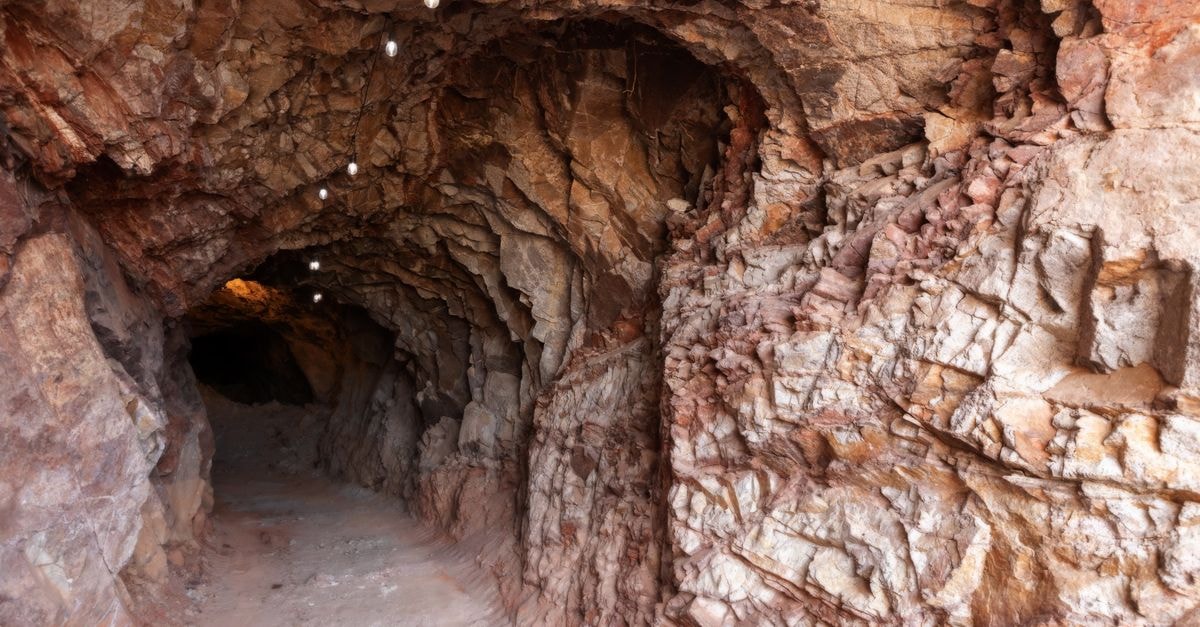
Kabwe is a city whose identity is shaped by the zinc and lead deposits discovered at the turn of the twentieth century. Originally named Broken Hill, it was founded in 1902 following the discovery of lead and zinc deposits, and the city's industrial and colonial footprint still gives it a distinctive atmosphere today. The city played a pivotal role in Zambia's political history, being an important center during the colonial era, which means a visit here can feel less like a polish-and-shine resort stop and more like stepping into a working town with a layered backstory. It serves as a key gateway to the Copperbelt region and is a practical alternative if your itinerary starts in the north, making it a sensible base for travelers threading their way between Lusaka and the mining towns further north.
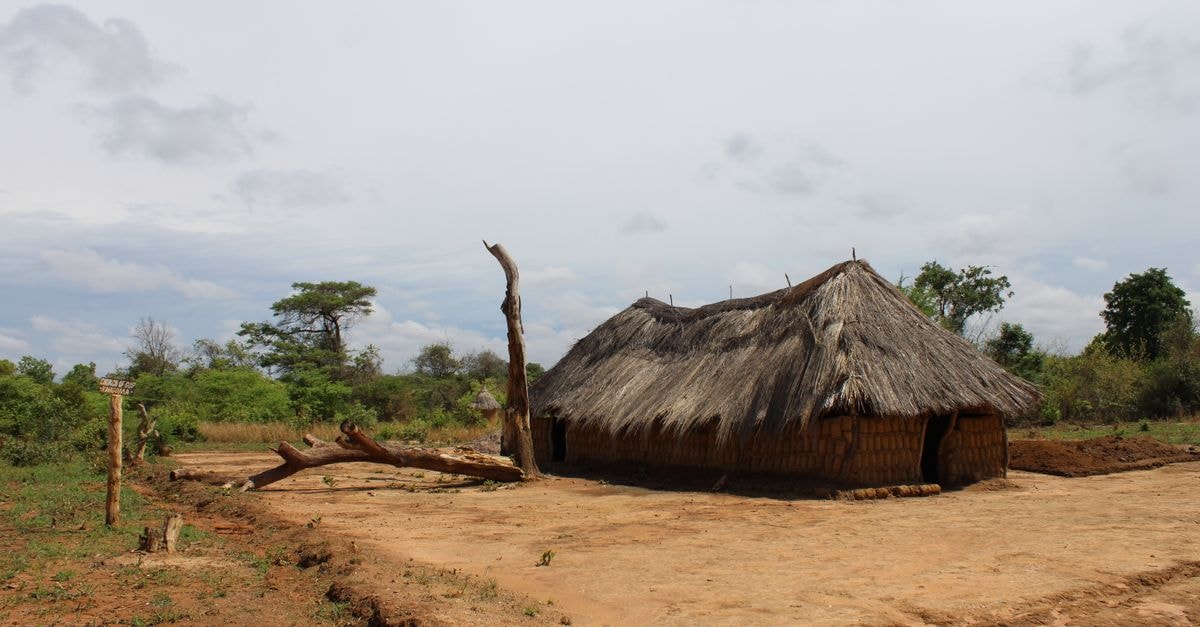
The tone of the place is set by that industrial heritage. Kabwe offers a glimpse into Zambia's industrial past, characterized by historic mining infrastructure and a strong sense of local community, though the scenery is generally functional rather than breathtaking. That is not a complaint so much as a calibration: travelers who arrive expecting a postcard skyline will want to reset their lens, while those curious about everyday Zambian life, post-colonial history and roadside Zambia will find plenty to lean into.
Getting around and getting there
Kabwe sits along a stretch of Zambia that is well connected by road, even if the public intercity options are limited. The journey by road from Ndola to Kabwe takes approximately 4 hours, which is useful to know if you are working out a Copperbelt-to-Lusaka route and want to break the drive.
A few reference points help when planning an overland transfer. City IATA code Distance Travel time covers Lusaka LUN at 142 km with a travel time of around 2 hours 40 minutes and Ndola NLA at 178 km with a travel time of about 3 hours 19 minutes. Those numbers are the kind of detail worth noting in advance, especially if you are weighing a same-day transfer against an overnight stop. For travelers who want more flexibility than shared transport can offer, the practical choice is often to rent a car. Taxi services for intercity transfers are available but are not cheap: a private transfer from the capital can cost from 100 US dollars, so many tourists prefer to rent a car for greater flexibility. That single sentence carries a lot of planning weight: if you are on a tight budget, building your trip around the bus or minibus network will feel very different than if you treat a hire car as part of the cost of doing things your way.
Within the city itself, the rhythm is that of a regional capital rather than a tourist hub, so expect to move at the pace of locals, with taxis and walking handling most short hops. There is no need to script a complex inner-city transport plan; the value of getting this section right lies in the intercity leg that frames your arrival.
Attractions and planning
The most rewarding way to plan a Kabwe stop is to lean into its character. Allow time for the historical angle, since the Broken Hill name and the early mining story are genuinely interesting context for understanding modern Zambia, and pair that with unstructured time for markets, street food and conversations. Travelers who enjoy slowing down and reading a place will get more out of Kabwe than travelers looking for a packed daily schedule of set-piece sights.
Costs and day-to-day budgeting
Because detailed, current price points are not pinned down in the approved material, the safest framing is to budget for a modest town where intercity transport is the biggest single line item. A private intercity taxi can cost from 100 US dollars for the capital transfer, so a self-driven hire car or a seat on a scheduled intercity service will usually be the more economical option for travelers on a tighter budget. Once in town, day-to-day costs for meals, local transport and small entry fees are generally modest compared with major capitals, leaving room in the budget for a comfortable place to stay and the occasional guided cultural experience.
A quick verification note before you go
Factual travel conditions can change; official channels should be checked before departure.
Share this article
TOOLS FOR THIS PLAN
Make the Kabwe plan measurable
Choose a tool only when it answers the next question in your trip. Your values stay in the browser, and each tool offers a route back to this planning context.