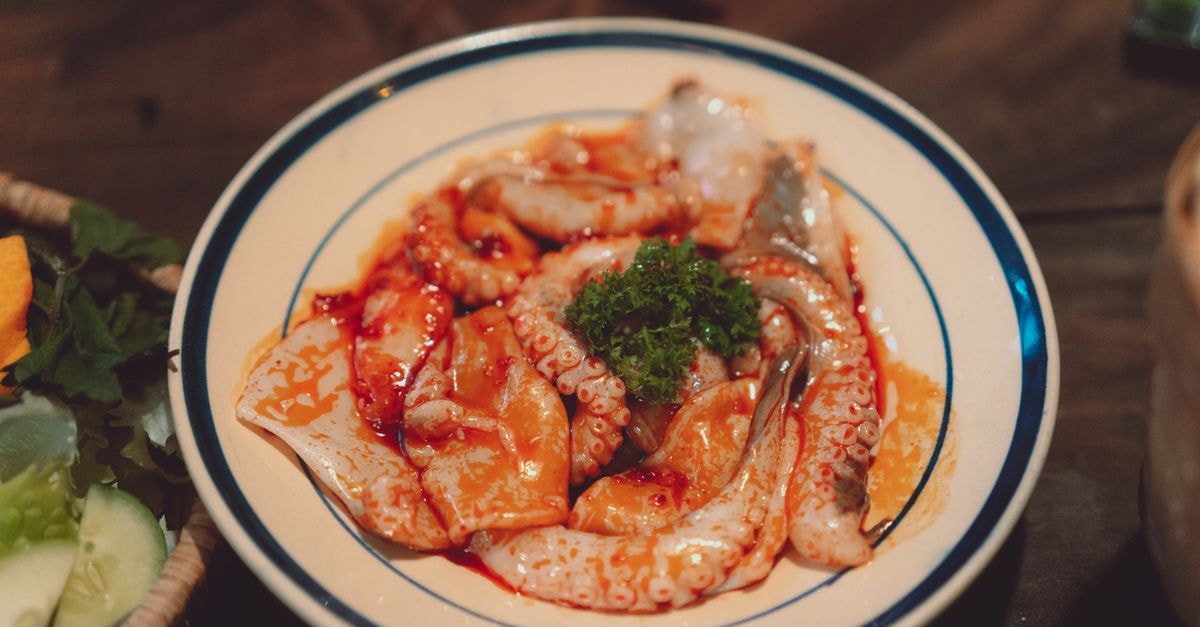
A first look at Kochi City

Kochi City is the capital of Kochi Prefecture on Japan's Shikoku island, facing the Pacific Ocean across roughly 700 kilometers of coastline. The central area blends covered shopping arcades and a long-running Sunday street market with a hilltop castle, a riverside tram corridor, and forested hills that rise behind the downtown. Travelers typically anchor a visit around three signature experiences: Kochi Castle, the Sunday Market, and katsuo tataki (lightly seared bonito).
Getting around by tram and on foot
The Tosaden Kotsu tram system runs through the heart of central Kochi and links Kochi Station with the castle grounds, the Obiyamachi shopping arcade, and eastern neighborhoods. Most central attractions sit close together along this tram corridor, so chaining several sights in a single outing is straightforward. For coastal destinations outside the tram network — most notably Katsurahama Beach on the south side of the city — local taxis and buses are the standard options.
Must-see landmarks
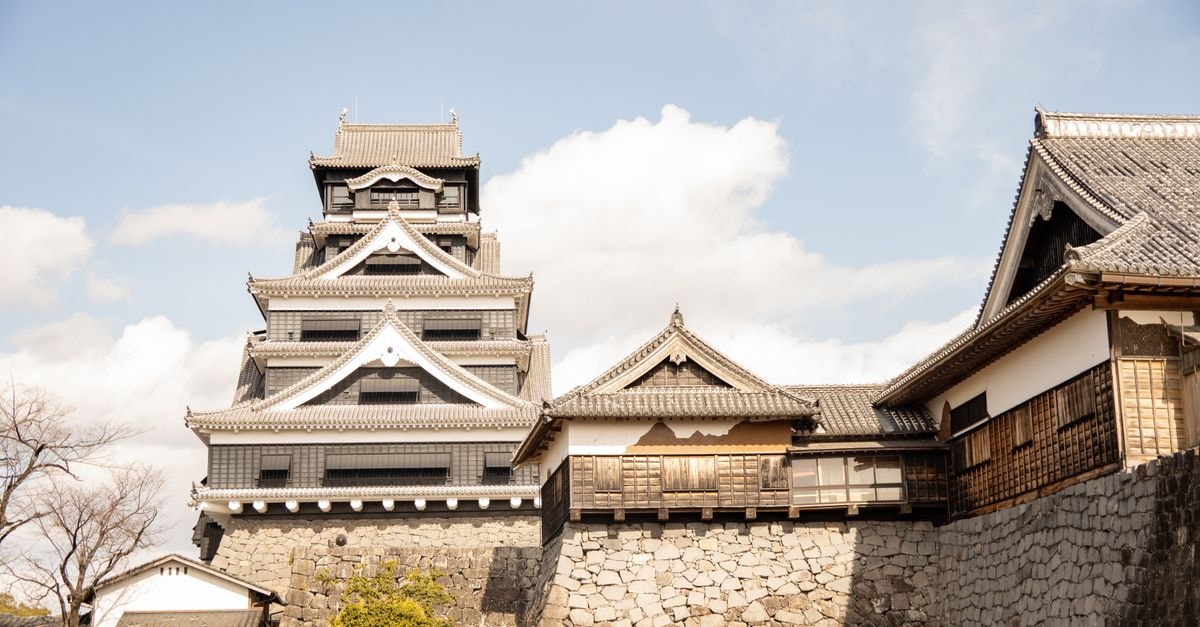
**Kochi Castle** is the city's defining landmark and one of only twelve castle towers (tenshu) in Japan that survive from the Edo period in their original form. It is also the only castle whose honmaru complex — including the tenshu, palace, and Otemon gate — is preserved in full. Construction began in 1603 under the first Tosa domain lord and was completed by his son; the current tenshu was rebuilt after an 18th-century fire. Visitors purchase a ticket at the honmaru palace to access the tenshu, where carved interiors and top-floor city views await. Walking Kochi Park and the surrounding castle grounds is free.
**Sunday Market** runs along Otemon Street just outside the castle's Otemon Gate. This long-established market is consistently one of the city's most reviewed attractions and is a natural pairing for a Sunday castle visit.
**Katsurahama Beach** is a crescent of sand framed by two capes, traditionally celebrated as a moon-viewing spot and associated with the samurai Sakamoto Ryoma, who is said to have walked here. The beach itself is free to visit.
Other central landmarks worth weaving into an itinerary:
- **Sakamoto Ryoma Memorial Museum and the Sakamoto Ryoma statue** — two separate sites dedicated to the Tosa-born reformer. - **Chikurinji Temple** — a historic temple set in forested hills behind the city. - **Godaisan Park and the Kochi Prefectural Makino Botanical Garden** — hilltop parkland with city views and a major botanical garden. - **Obiyamachi Ichibangai** — a covered shopping arcade popular for local food and souvenirs. - **Hirome Ichiba and Kochi Tabi Hiroba** — a market hall and tourist information spot near the central arcades.
Tickets, hours, and what to book ahead
The Sunday Market and Katsurahama Beach require no tickets. Kochi Castle charges admission to enter the honmaru palace and tenshu; check the official site for current ticket prices and opening hours before visiting, as these can change. Most central museums, including the Sakamoto Ryoma Memorial Museum, set their own modest admissions and hours — verify current details before you go. Walking Kochi Park and the castle grounds is always free.
Where to stay
Central Kochi's hotel cluster puts visitors within walking distance of the castle and the arcades, which simplifies a short-stay itinerary.
- **JR Clement Inn Kochi** offers free Wi-Fi, parking, a 24-hour front desk, restaurant, massage, luggage storage, breakfast, and laundry service. - **The Crown Palais New Hankyu Kochi** (rebranded from March 2026 as The Crown Palais Kochi) sits in the city center, a three-minute walk from the Sunday Market, six minutes from the Kochi Literature Museum, and roughly 0.5 km from Kochi Castle; amenities include free Wi-Fi, concierge service, a beauty salon, multiple dining outlets, and banquet facilities.
For travelers who plan to base themselves near the castle and the Sunday Market, both properties put the main sights within short walks.
What to eat in Kochi
Kochi's food culture is shaped by its Pacific coastline and its rural farming heritage. The signature dish is **katsuo tataki** — thick-cut bonito seared briefly over a straw fire and served with garlic, ginger, and soy. Kochi leads Japan in bonito consumption, and the traditional "single-rod fishing" method used to catch the fish has been practiced here for nearly 400 years.
Regional specialties worth seeking out:
- **Shimizu mackerel** — a high-fat mackerel from the southwestern town of Tosashimizu that is often eaten raw as sashimi. - **Tosa Akage Ushi** — a rare wagyu brand raised only in Kochi Prefecture, with annual production of only about 500 head; its umami and sweetness compounds are reportedly 2–4 times higher than standard black-haired wagyu. - **Shimanto pork** — pork from pigs raised on a special feed in the fertile Shimanto region. - **Tosa HACHIKIN jidori** — one of eight regional chicken brands from Kochi, among 38 nationally. - **Inaka sushi** — a "country-style" sushi where the rice is seasoned with yuzu citrus juice instead of vinegar, topped with pickled mountain vegetables, mushrooms, and sweet dried tofu.
The **Obiyamachi Ichibangai** arcade and the **Hirome Ichiba** market hall are practical places to sample several of these dishes under one roof.
Practical notes before you go
- Confirm current Kochi Castle admission prices and opening hours on the official castle website before visiting; hours can shift. - For guided tastings of katsuo tataki and other regional dishes, restaurants in the Hirome Ichiba hall and the central arcades are well-known starting points — confirm opening times locally. - If you plan to extend your trip beyond the city, Shimanto town (for pork), Tosashimizu (for mackerel), and the broader Kochi Prefecture interior offer more regional food experiences.
Disclaimer: Travel conditions, prices, opening times, and operating details change frequently. Always verify current information through official websites and local tourism offices before departure.
Share this article
TOOLS FOR THIS PLAN
Make the Kochi plan measurable
Choose a tool only when it answers the next question in your trip. Your values stay in the browser, and each tool offers a route back to this planning context.