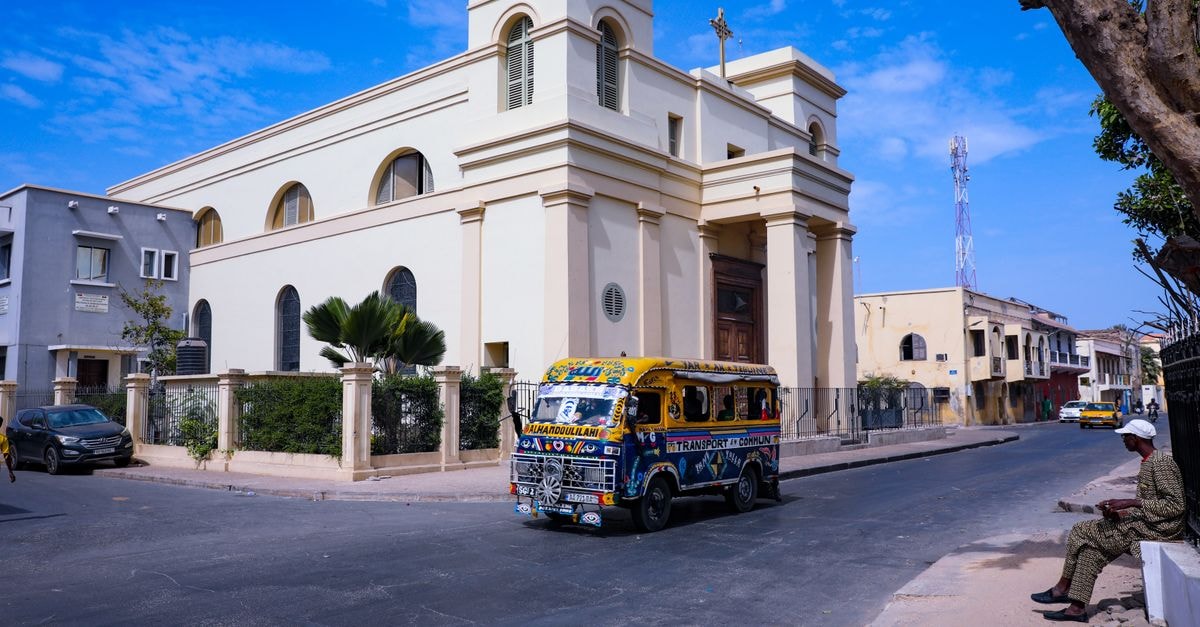
A Quieter Corner of Southern Senegal

Kolda sits in the Casamance region, an area that feels removed from the bustle of Senegal's Atlantic coast. There is no rush of grand monuments here, no curated museum circuit to tick through. Instead, the town offers something rarer in West African travel: room to slow down, to listen, and to settle into a rhythm shaped more by community life than by tourism infrastructure. Travelers who arrive expecting a polished itinerary will quickly learn to trade checklists for curiosity, and that adjustment is often the most rewarding part of a visit.
This guide gathers what is durably known about Kolda, from the climate that shapes daily comfort to the wider Senegalese food customs a visitor is likely to encounter. Because the city does not have a dense layer of formal attractions, the practical value lies in pacing the day well, moving between neighborhoods thoughtfully, and approaching meals with the openness that Senegalese hospitality rewards.
Weather and Seasonal Context
Kolda's climate runs hot for most of the year, with the temperature typically ranging from about 59°F to 104°F, and it is rarely lower than 54°F or higher than 107°F. For visitors, that translates into long stretches of warm air, bright sun, and evenings that stay mild rather than cool. The warmest conditions of the year tend to arrive in April, when average daily highs reach around 41°C, while August generally brings a slight cooling, with average daily highs near 32°C. Even at its coolest, the city stays firmly in the tropical zone, so lightweight, breathable clothing and consistent hydration matter throughout any visit.
Because daytime heat can feel intense, consider planning active hours for the cooler parts of the day. Early mornings and the period after sundown are well suited to walking through neighborhoods, sitting under shade trees, or simply observing daily life without the pressure of a packed schedule. Midday is often better for resting, eating, or sharing conversation indoors. If you prefer to avoid the strongest sun, a slower pace with breaks can make the heat far more manageable than trying to push through it.
Getting Around
Movement in and around Kolda is part of the texture of the place rather than a list of formal transit options. Visitors tend to shape their own routes, linking a residence, a few meeting points, and the surrounding community rather than moving between named attractions. This open-ended structure is closer to how residents themselves navigate the city, and it rewards travelers who are comfortable with a little informality.
A planning approach that pairs a personal itinerary with day-by-day transport choices tends to work well, since conditions on the ground can shift. Residences on the outskirts of town, including properties situated around 8 km from the city centre, are part of the local accommodation landscape and may suit visitors who prefer a quieter, more spread-out setting. Those who like being closer to the center of activity may prefer staying nearer the core, where daily life is denser and walking between points of interest is more practical.
Within the wider Kolda region, including nearby towns such as Velingara, the experience leans heavily on the environment and community rather than on formal tourist sites or structured entry-fee attractions. That means getting around is less about buying tickets and more about being present, accepting hospitality, and letting conversations guide the next stop. Travelers who enjoy slow, place-based travel may find this rhythm particularly rewarding.
Food and Local Context
Kolda sits within a broader Senegalese food culture that is welcoming, generous, and rarely aggressive in its seasoning. Visitors arriving from other parts of West Africa or North Africa often notice the difference: Senegalese cooking tends to lean on fish from the Atlantic coast, millet and sorghum grown across the Sahel, and the steady presence of mangoes and cashews from trees that line rural roads. These ingredients appear in forms that travelers may encounter throughout Senegal, and they shape the everyday meals served in homes, small eateries, and shared gatherings.
What makes Senegalese food culture distinct is not just the menu but the etiquette around it. Hospitality carries real social weight, and refusing food or drink when it is offered can come across as one of the worst social faux pas in everyday interaction. For travelers, this means accepting what is shared, even in modest portions, is generally the right move. A small plate of something local, eaten slowly and with appreciation, often opens more doors than a long list of restaurant recommendations ever could.
In practical terms, this means approaching meals in Kolda with patience and openness. There may not be a polished food scene to navigate, but the meals that do appear, offered by hosts or shared in communal settings, are part of the cultural exchange the trip can offer. If you prefer structured dining and familiar menus, the region may feel light on options; if you value connection and conversation over curation, the food experience here can be quietly memorable.
Pacing the Trip Around What You Value
Because Kolda rewards presence more than planning, the most useful adjustments are usually about rhythm rather than itinerary. Travelers who enjoy warm climates and slow community-led experiences may find the heat, the relaxed pace, and the emphasis on hospitality deeply appealing. Those who prefer cooler temperatures, dense attraction lists, or a highly structured urban environment may want to reconsider whether this is the right setting, since the city's appeal depends on leaning into informality.
Choosing where to base yourself matters too. A residence within or close to the city centre supports a more walkable, social trip with frequent contact with daily life. A property on the outskirts, such as those situated around 8 km from the centre, may suit visitors who want quiet, space, and a buffer from the heat of the denser neighborhoods. The climate itself, which stays warm year-round with the coolest period around August and the warmest around April, means that pacing active hours for mornings and evenings is a useful habit regardless of when you arrive.
A final practical consideration is food. Because Senegalese hospitality is so central, travelers who feel comfortable accepting shared meals and participating in communal eating will get far more out of the experience than those who prefer to dine independently. The regional food culture is shaped by fish, millet, sorghum, mangoes, and cashews, and those ingredients tend to show up in their most genuine form when visitors say yes to what is offered.
A Few Things Worth Verifying Before You Go
Travel conditions in southern Senegal can shift, and details like transport availability, local pricing, and access to specific residences or community gathering points are best confirmed close to your departure. Because this guide is built on durable city context rather than live operational data, it is worth checking current information through local contacts, accommodation hosts, or official Senegalese travel channels before finalizing plans. Factual conditions on the ground may differ from the broader patterns described here, and a quick verification step before arrival helps the trip unfold smoothly.
Rates, schedules, and availability of services can change without notice, and the notes above are intended as orientation rather than a fixed itinerary. Treat them as a starting point, then adapt to what Kolda itself offers once you are there.
Prices, opening hours, schedules, reservation rules, and local conditions can change; verify them through official channels before departure.
Share this article
TOOLS FOR THIS PLAN
Make the Kolda plan measurable
Choose a tool only when it answers the next question in your trip. Your values stay in the browser, and each tool offers a route back to this planning context.