Cebu City at first glance

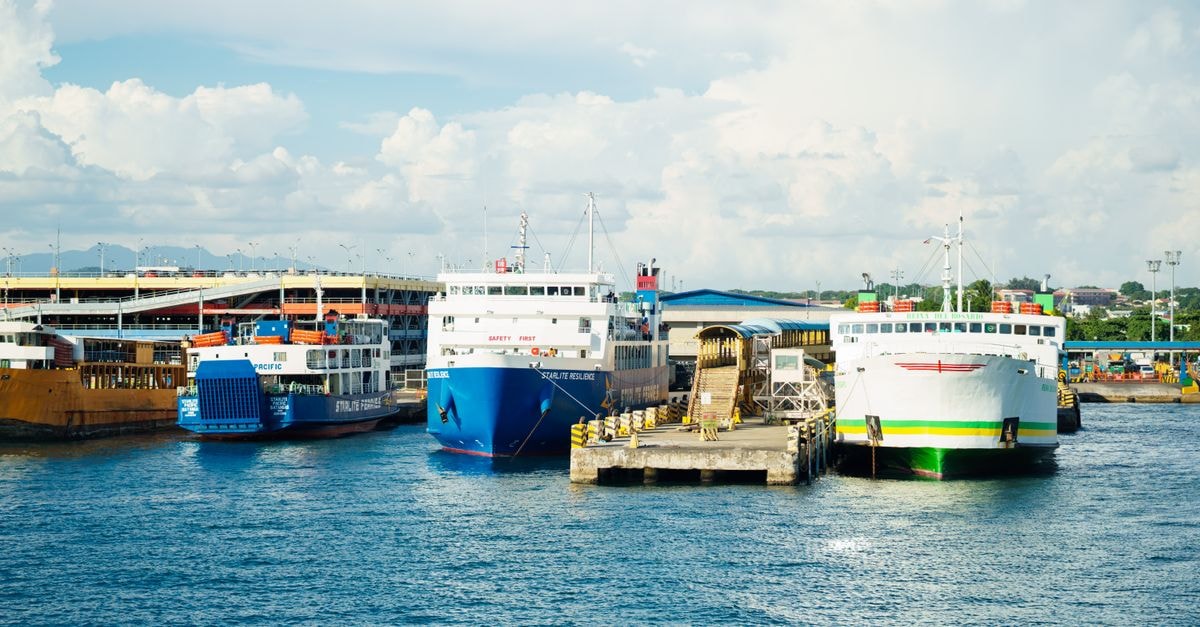
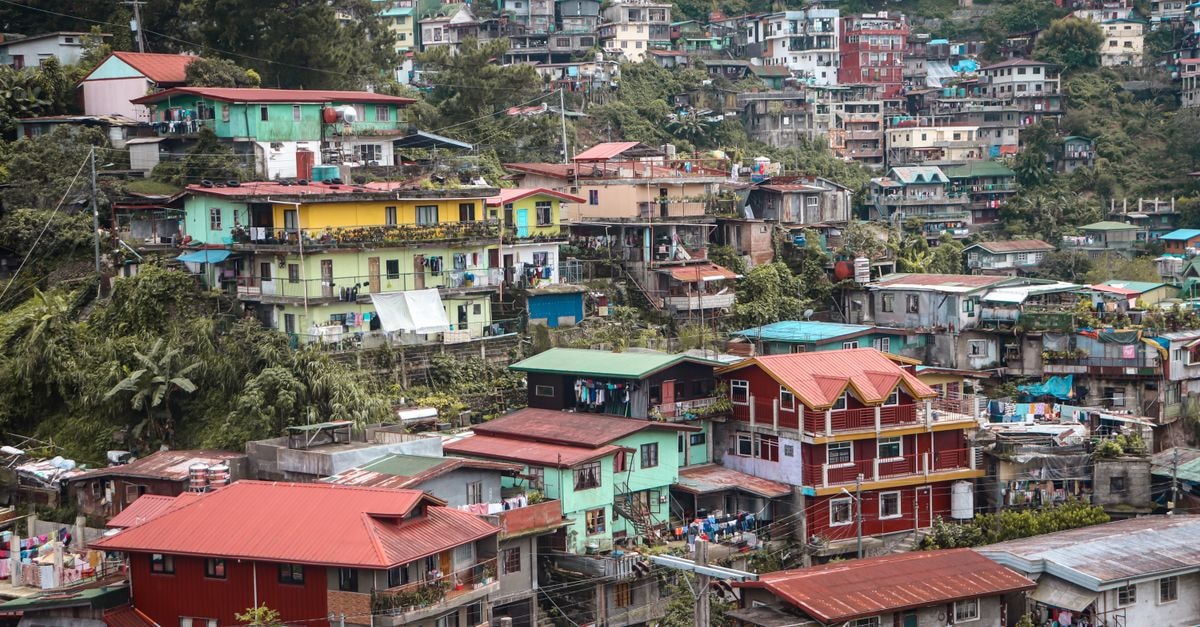
Cebu City carries the rhythm of a working Philippine metropolis without losing the warmth most visitors come here hoping to find. The streets are a layered mix of old Spanish-era landmarks, busy commercial blocks, and the casual urban ease that makes daily errands feel approachable. For travelers, this translates into a city you can settle into quickly, walk through without too much friction, and leave with a real sense of having met the place rather than just transited it.
This guide is built on what Cebu City's transport network actually offers first-time visitors and on a few wider Filipino cultural threads you are likely to bump into the moment you start moving around. It is meant for independent, budget-conscious travelers who want a clear starting point rather than a long checklist.
Getting around
Cebu City's everyday transport network is straightforward once you understand the basic layers.
For short distances inside the city, jeepneys follow fixed routes and are the most affordable way to travel short distances within Cebu City. They are essentially shared minibuses, normally brightly painted, that pick up and drop off along a set path. If you are staying for more than a day or two, learning the jeepney routes near your accommodation tends to pay back quickly in savings and in the small, ordinary moments of feeling like you actually live there for a moment. Riding a jeepney is also one of the easiest ways to read the city's daily pace.
If you want to explore beyond the urban core, coaches serve longer routes across Cebu Island, connecting Cebu City to various towns in the north and south. These intercity coaches are the natural next step up from in-city jeepneys and are the usual way visitors head out toward coastal spots, mountain viewpoints, or smaller heritage towns further down the island's eastern or western coast. From a practical standpoint, think of jeepneys as your inside-the-city tool and coaches as your beyond-the-city tool, with taxis and app-based rides filling in the gaps when you need something quicker, more direct, or door-to-door.
A short orientation helps. Pin down the jeepney stops closest to your accommodation, look up the coach terminal you would use for any longer journey, and keep small bills and coins ready, since jeepneys and coach fares are commonly paid in cash in the exact amount rather than handed to a card reader.
Food and local context
Cebu City sits inside a wider Filipino food culture, and a few country-level threads help you read the table wherever you eat. Knowing these in advance tends to make meals in the city feel less like a guessing game and more like a conversation.
One of the dishes most associated with the country's kitchen is Adobong Baboy at Manok, a pork and chicken adobo that arrives in a clay pot still bubbling, the sauce thick enough to coat your spoon, the meat so tender it falls off the bone with a fork's pressure. This is a nationwide staple rather than a Cebu-specific specialty, so it is framed here as a baseline dish you are very likely to encounter on menus across the city and the rest of the country during your stay. Letting it bubble for a moment before the first bite is part of how the dish is usually meant to be enjoyed.
A second, gentler thread shapes how food is shared. Filipino hospitality is legendary: strangers will invite you into their homes, share their food and go far out of their way to help. In daily terms, this often shows up as a small extra plate appearing at the table, a shared skewer offered with a smile, or a server quietly topping up your rice. It is not a marketing line; it is a behavior you can expect to bump into, especially in family-run eateries and neighborhood carinderias.
There is a practical etiquette point behind that warmth. Refusing food is considered impolite — at minimum, take a small portion. So when a host, a server, or a passing relative slides something onto your plate, the gracious response is to accept even a small taste. Travelers who try to politely decline over and over tend to find it creates more awkwardness than simply accepting and leaving a friendly bite behind. It is also one of the simplest ways to show respect for the people hosting you, whether that is a relative, a small restaurant owner, or a new acquaintance you met that morning.
For budget-aware travelers, this culture of sharing is genuinely useful. Family-style serving means a single dish, ordered once, can stretch further than it looks on the menu, and small samplings add up to a varied day rather than a single heavy meal.
A few grounded notes on spending
Because Cebu City's transport network is built around fixed-route jeepneys for short distances and coaches for longer routes across the island, a sensible baseline for one person, per day, is to set aside a modest local amount for rides, casual meals, and small incidentals — separate from your hotel and any intercity transport. Exact numbers shift with the exchange rate and the current cost of fuel, so it is worth checking the live conversion before you set a final figure, but the underlying rhythm holds: jeepneys are inexpensive per ride, intercity coaches cost noticeably more, and most casual meals sit comfortably between the two.
Keeping a small float of local currency for transport is the single most useful money habit in Cebu City. Cards are increasingly accepted in larger establishments, but jeepneys, smaller eateries, and many coach terminals still operate on cash, and exact change keeps the day moving.
How to think about the city
Cebu City rewards travelers who treat it as a base and a place to move through, not only as a checklist. The combination of cheap, well-defined urban transport and a food culture that welcomes shared, slow meals gives the city a beginner-friendly feel that still has real depth for return visitors. Start with a couple of nearby jeepney routes, eat at least one clay-pot adobo during your stay, and accept the small plates that come your way. Those three habits alone will carry you further than any packed itinerary.
Conditions on the ground — from fares and routes to opening hours and service availability — can change, so it is worth confirming transport details, current fares, and any cultural or safety guidance through official channels shortly before you travel. A short check-in with your accommodation or a local tourism office tends to clear up most last-minute questions quickly.
Share this article
TOOLS FOR THIS PLAN
Make the Cebu City plan measurable
Choose a tool only when it answers the next question in your trip. Your values stay in the browser, and each tool offers a route back to this planning context.