Setting the scene in Kurashiki

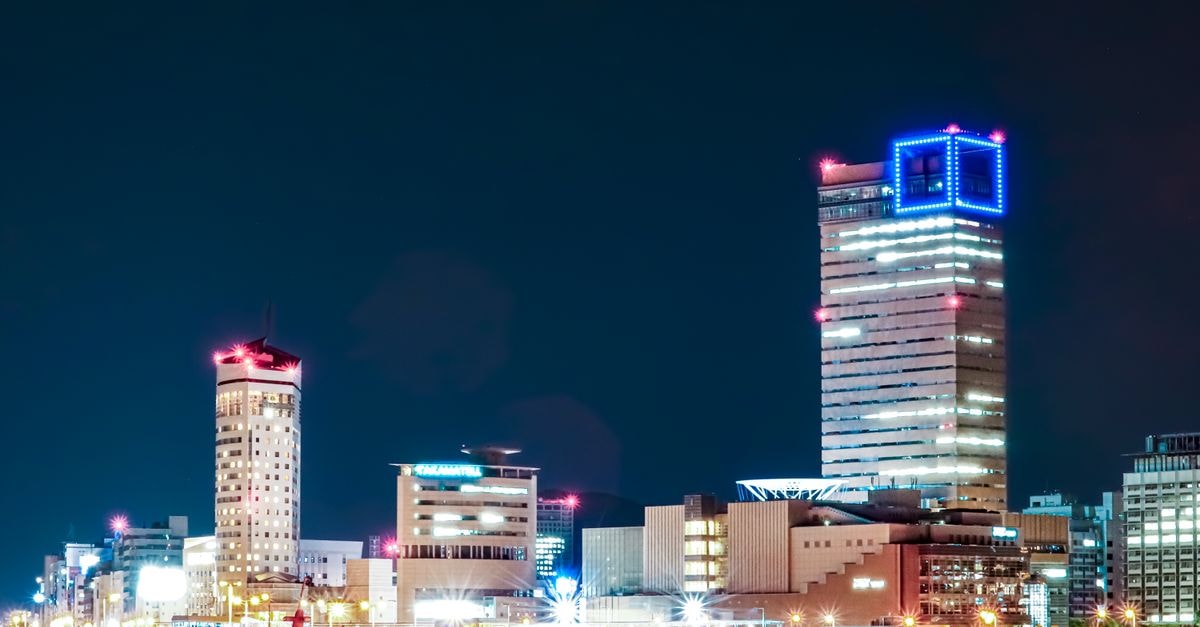
Kurashiki has the kind of gentle, walkable magic that rewards travelers who like to slow down. Tucked into the Chugoku region of Japan, the city is best known for its preserved Edo-era streetscapes, where willow-lined canals reflect whitewashed storehouses with black tile facades. It feels less like a museum and more like a living neighborhood, the kind of place where a leisurely afternoon can easily stretch into a long evening.
For visitors, the practical appeal is just as strong as the aesthetic. Kurashiki sits comfortably on a well-trodden rail corridor, its food scene reflects wider Japanese culinary categories travelers may encounter here, and its attractions cluster closely enough that you never feel rushed. This guide focuses on what the approved sources actually tell us: how to arrive and move around, what to see in the historic quarter, and how the local dining picture fits into a wider Japanese food culture.
Getting around
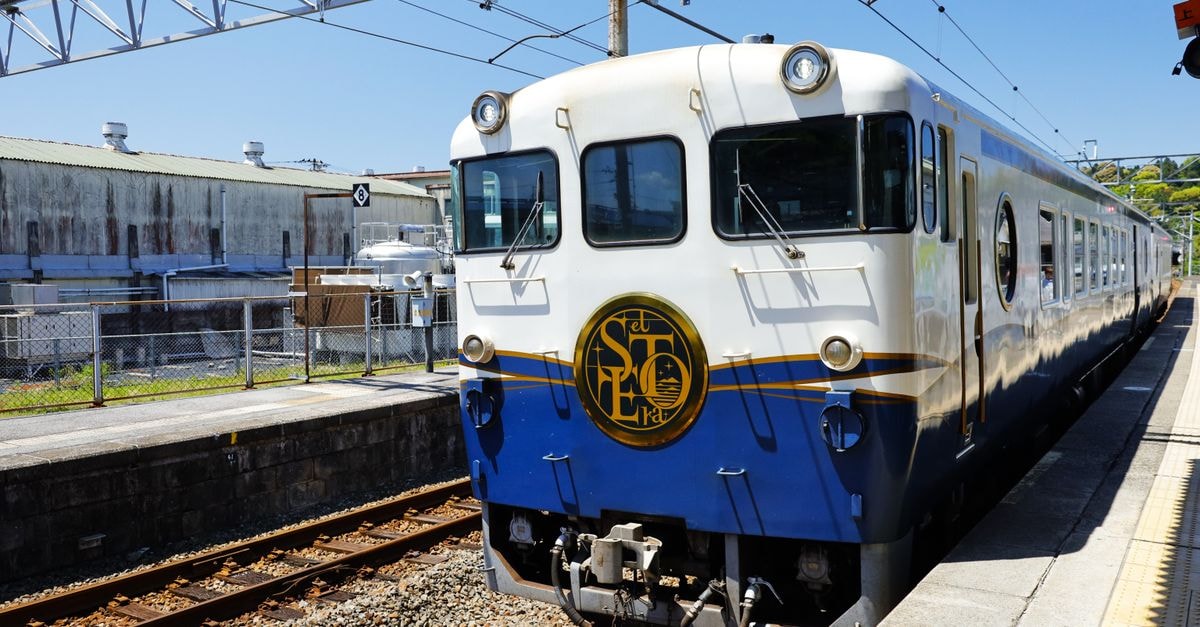
The simplest way to think about Kurashiki is as an easy extension of a train journey through the San'yo corridor. The city is generally easiest to reach by train from Okayama, with Okayama Station and Kurashiki Station connected by frequently departing local and rapid services along the JR San'yo Line. Because Kurashiki sits on the San'yo Main Line between Okayama and Fukuyama, it also slots naturally into broader rail itineraries that move east or west along the southern coast of Honshu.
Once you have arrived, the historic core is compact enough to explore on foot, and local buses fill in the gaps. A small but useful piece of etiquette worth knowing before you board: like most buses in Japan, the driver will collect the ticket when you disembark, so have it ready rather than fishing through your bag at the exit.
For travelers planning their route, the practical rhythm looks like this. Take a train from Okayama to Kurashiki, walk from the station toward the Bikan Historical Quarter, and use buses if a particular museum, dining spot, or outlying neighborhood sits beyond a comfortable stroll. Because the rail link runs frequently, you do not need to pin your day to a rigid timetable, and the same line carries you onward to Fukuyama when you are ready to leave.
Attractions and planning
The heart of any visit is the Bikan Historical Quarter, where the architecture of old Kurashiki has been thoughtfully reused. Many of the city's former storehouses have been converted into museums, boutiques, and cafes, which means the same canal-side stroll that begins as sightseeing quietly turns into shopping, coffee, and people-watching without any conscious effort.
Among the standout buildings, the Kurashiki Ivy Square Hotel stands out for travelers who care about heritage architecture. It is recognized as an official Heritage of Industrial Modernisation site, which gives it a slightly different flavor from the Edo-period storehouses that surround it. Where the Bikan district leans on merchant and samurai history, Ivy Square nods to Japan's industrial story, and seeing both side by side gives a fuller sense of how the city has reinvented itself across eras.
When planning your day, think in layers rather than a strict checklist. Start with a morning walk along the canal, drift into a museum or two inside the converted storehouses, pause for lunch, and return in the late afternoon when the light softens and the willow shadows lengthen. Because the attractions are so close together, you can afford to linger wherever catches your attention without worrying about losing transit time. That kind of unstructured pacing is, in many ways, the point of visiting Kurashiki at all.
Food and local context
Kurashiki's food scene sits within the wider culinary map of Japan, and travelers familiar with regional Japanese cooking will find familiar categories here. A snapshot of the styles visitors may encounter in the city includes okonomiyaki, washoku, yakiniku, ramen, and izakaya dining. These reflect national traditions rather than Kurashiki-specific specialties, so the appeal for many travelers is reading menus confidently across these familiar categories.
A few practical thoughts help when deciding where to eat. Because Kurashiki sits within a wider Japanese culinary map, you can read menus confidently if you recognize the broader categories above. The historic quarter concentrates many of the cafes and casual restaurants, while a short walk beyond it tends to surface the quieter, more traditional establishments. Because chefs and seasonal offerings evolve over time, it is worth asking your hotel or guesthouse for a current recommendation if you have a particular dining experience in mind.
Putting it together
A Kurashiki day tends to follow a pleasing rhythm: arrive by train, wander the Bikan quarter, eat well, and leave time for the kind of unplanned detours that make Japanese canal towns memorable. The city's small size is its greatest asset, because it lets the rail corridor, the historic streets, and the dining scene overlap in ways that larger destinations rarely allow.
Because Kurashiki sits on the San'yo Main Line, it also makes a generous companion stop to nearby Okayama or a relaxed pause on the way toward Fukuyama. Travelers who like to pair cultural sightseeing with easy logistics will find that the city delivers on both without demanding much in return.
Factual travel conditions can change, so it is always wise to verify train times, museum hours, and restaurant availability through official channels before you set out. The information in this guide is meant to frame your planning, not replace a final check on the day.
Verification note
Train schedules, museum opening hours, and restaurant availability can shift over time. Confirm the details that matter to your trip through JR West and the official websites or front desks of any venue you plan to visit before you travel.
Share this article
TOOLS FOR THIS PLAN
Make the Kurashiki plan measurable
Choose a tool only when it answers the next question in your trip. Your values stay in the browser, and each tool offers a route back to this planning context.