Castle heritage in the city center
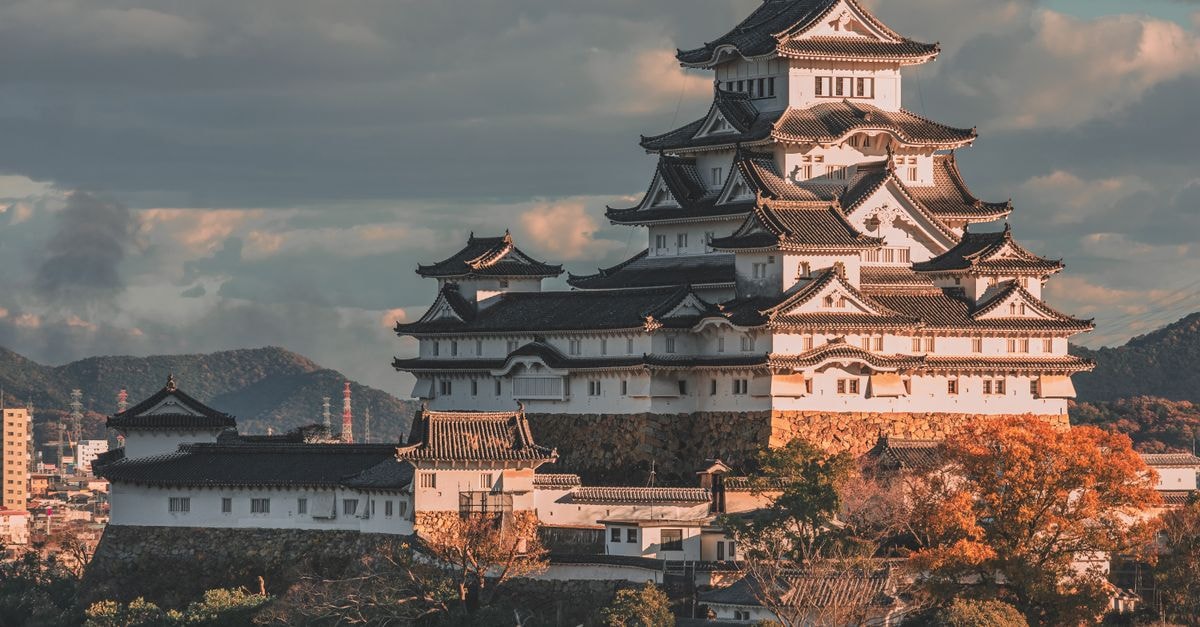
The most recognizable historical anchor in Kurume is Kurume Castle itself, tucked into the city and loved for its heritage and its calm, leafy surroundings (F1-1). It works well as a slow morning visit, because the grounds invite unhurried wandering rather than a tick-the-box sprint. If you prefer layered sightseeing, the castle pairs naturally with a walk through the nearby streets before continuing on to the river.
Cherry blossom season, broadly late March into early April, tends to bring the most photographed version of the grounds, and the castle is often described at its most atmospheric during that window (F1-2). Travelers who care deeply about blossom viewing may want to time a visit with that window, while travelers who simply want a quieter, more contemplative look at the site can find plenty of charm outside that period too.
nature walks and craft experiences
Rising just behind the city, Mount Kora offers the kind of nature-and-culture half-day that suits visitors who want a break from museums and shopping streets. The mountain's Kora Nature Walk ties together forest landscape with Japanese craft experiences, so visitors can move between paths and hands-on traditional activities in a single outing (F2-1). The cooler mountain air compared with the city below often makes this the most comfortable part of the day, especially if you plan the walk for the warmer hours.
Kurume also has a long identity as a manufacturing city; it is the place where the world-famous tire manufacturer Bridgestone got started, and the wider area has long been a center for varied manufacturing (F2-2). That industrial heritage is part of the city's character, and travelers who enjoy reading a place through its working past rather than only its scenic side may find it a useful lens while exploring.
Practical notes for a slow day
Because the city is spread between the river, the castle grounds, and the lower slopes of Mount Kora, planning in gentle layers helps. A natural rhythm is a quieter morning at the castle, a leisurely lunch in the city, and an afternoon on the mountain for the nature walk and any craft experiences you want to try. Travelers who prefer to minimize stair-heavy routes may want to confirm the steeper sections of the Mount Kora walk in advance, since mountain trails in the region often mix paved and unpaved stretches.
Food and local context in Kurume
Kurume's location in the Chikugo region, set between the Chikugo River and Mount Kora, shapes what reaches the table as much as what reaches the eye (F3-1). The river and the surrounding farmland feed into wider Japanese dining habits, where the meeting of warm and cold currents around the country supports a rich seafood culture and where visits to local farms are part of how Japanese food culture is understood (F4-1, F4-2). These are country-wide patterns you may simply notice as you eat your way through the city, rather than a checklist of dishes to chase.
When you sit down to eat across Japan, the range is famously wide. Restaurants range from mobile food stands to centuries-old ryotei, from atmospheric drinking places to seasonally erected terraces over rivers and inexpensive chain shops (F5-1). Japanese cuisine itself has a large variety of dishes and regional specialties, so a meal in Kurume is often a good chance to look for what feels local to the Chikugo region alongside familiar nationwide favorites (F5-2). Travelers who enjoy exploring by ordering whatever looks regional on the menu will tend to get the most out of dining here, while travelers who prefer a known favorite can still find a comforting base.
Choosing what fits your trip
If you lean toward heritage and quiet grounds, the castle and the city core will carry most of your day, with Mount Kora as a soft afternoon option. If you would rather trade some indoor time for forest paths and a hands-on craft experience, Mount Kora can become the centerpiece, with the castle saved for a calmer moment. Both choices share the same geography, so the only real decision is how much vertical walking and outdoor time you want, and how much you want to leave room for unhurried meals in the city between them.
Before you go
Treat any time-specific details such as opening hours, ticket needs, and craft-experience availability as something worth confirming through official local sources before you travel, because on-the-ground conditions can shift. The character of Kurume, however, its castle heritage, its riverside setting, its Mount Kora nature walks, and its longer identity as part of the Chikugo region, tends to remain a steady reason to visit.
Prices, opening hours, schedules, reservation rules, and local conditions can change; verify them through official channels before departure.
Share this article
TOOLS FOR THIS PLAN
Make the Kurume plan measurable
Choose a tool only when it answers the next question in your trip. Your values stay in the browser, and each tool offers a route back to this planning context.