A quiet crossroads in northern Telangana
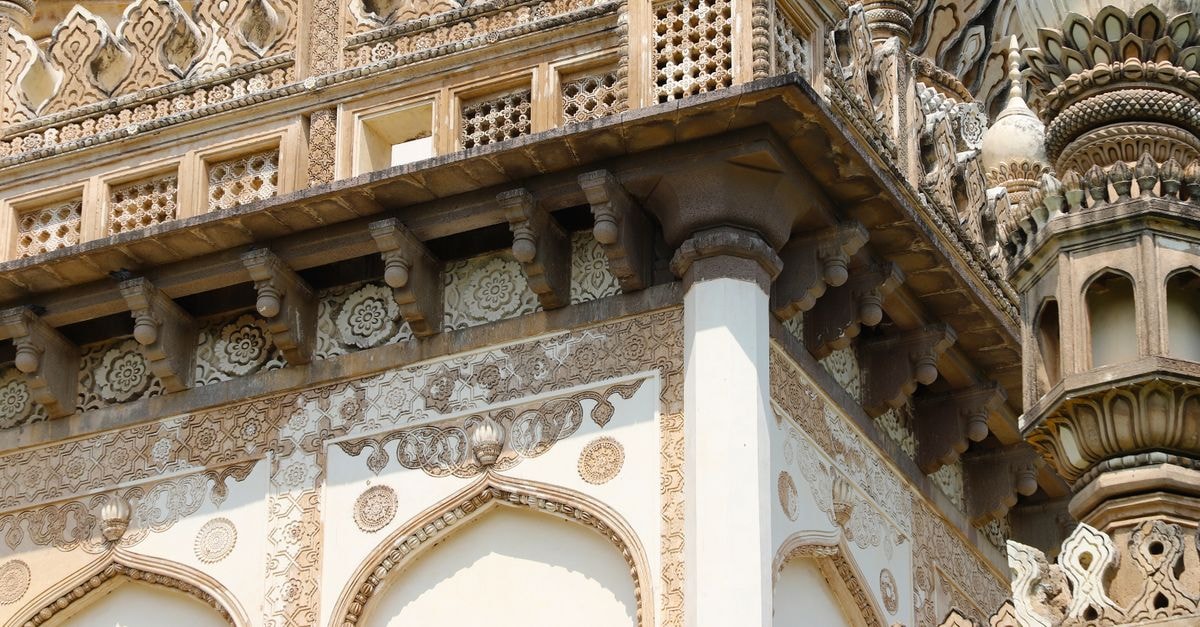
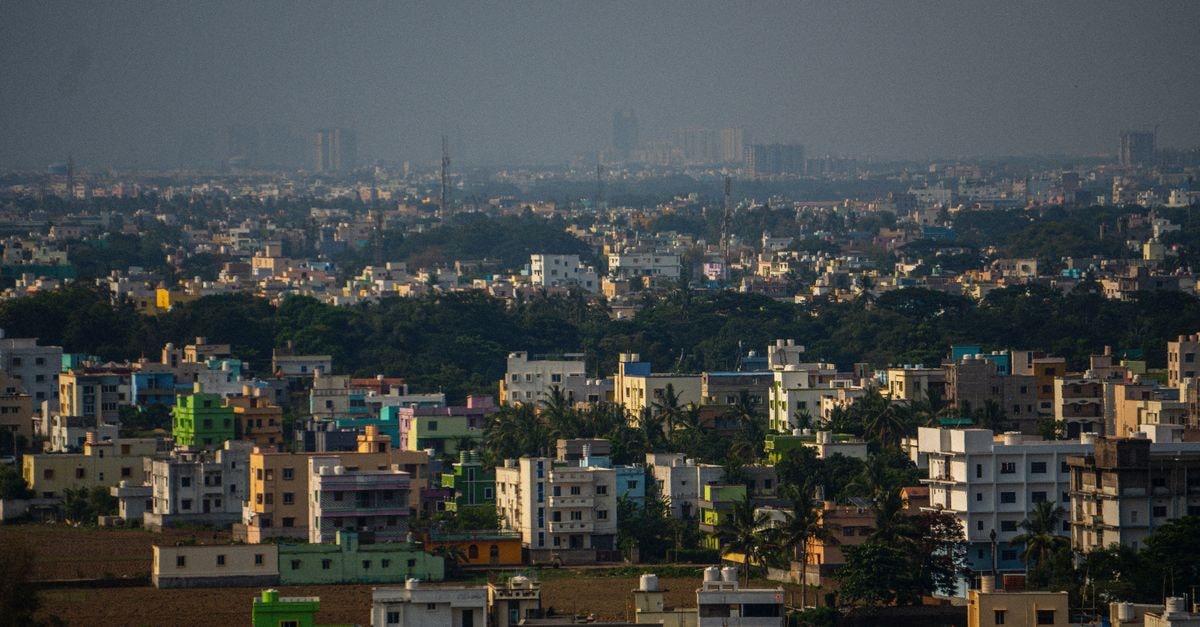
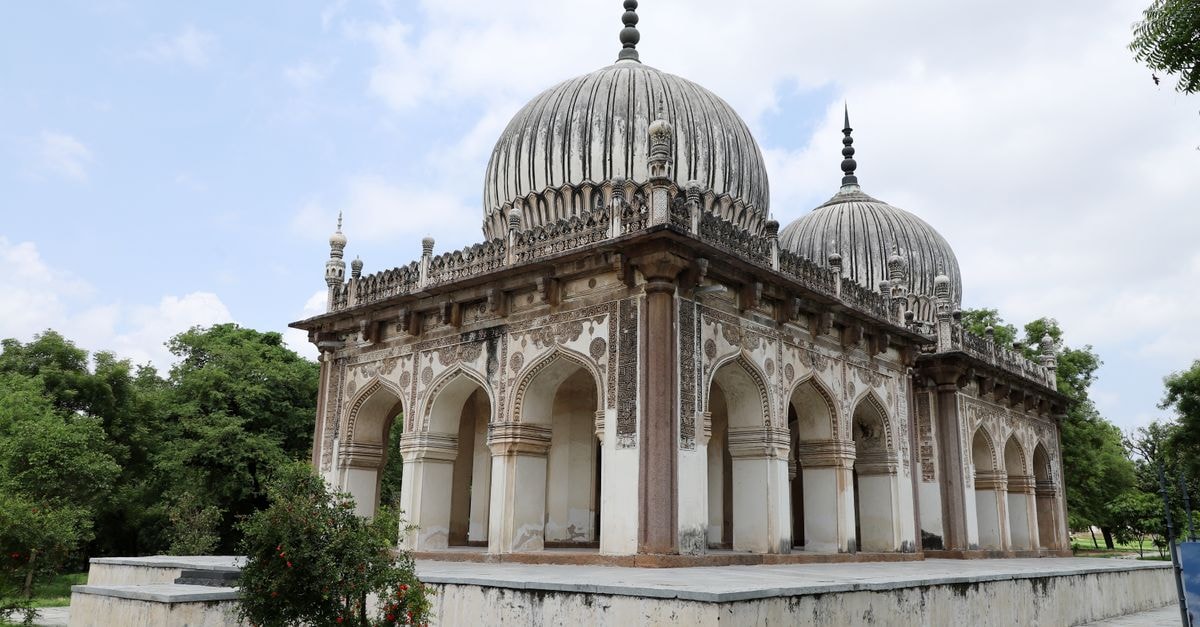
Nizamabad carries a name with weight. The city is called Nizamabad (Nizam-a-abadi), a reference to the Nizam of Hyderabad from the Asaf Jahi dynasty who ruled the Deccan during the 18th century. That lineage still lingers in the streetscape, giving the town a slightly older cadence than its size suggests. For travelers who like places with a story baked into the name itself, Nizamabad offers a small but rewarding pause on the way through Telangana.
The town sits in the northern part of the state, framed by neighboring districts on every side: Medak to the south, Nanded to the west, Adilabad to the north, and Karimnagar to the east. That inland position, a meaningful distance from the coast, gives the area its own regional character that quietly shapes how the day unfolds.
Getting around and reaching Nizamabad
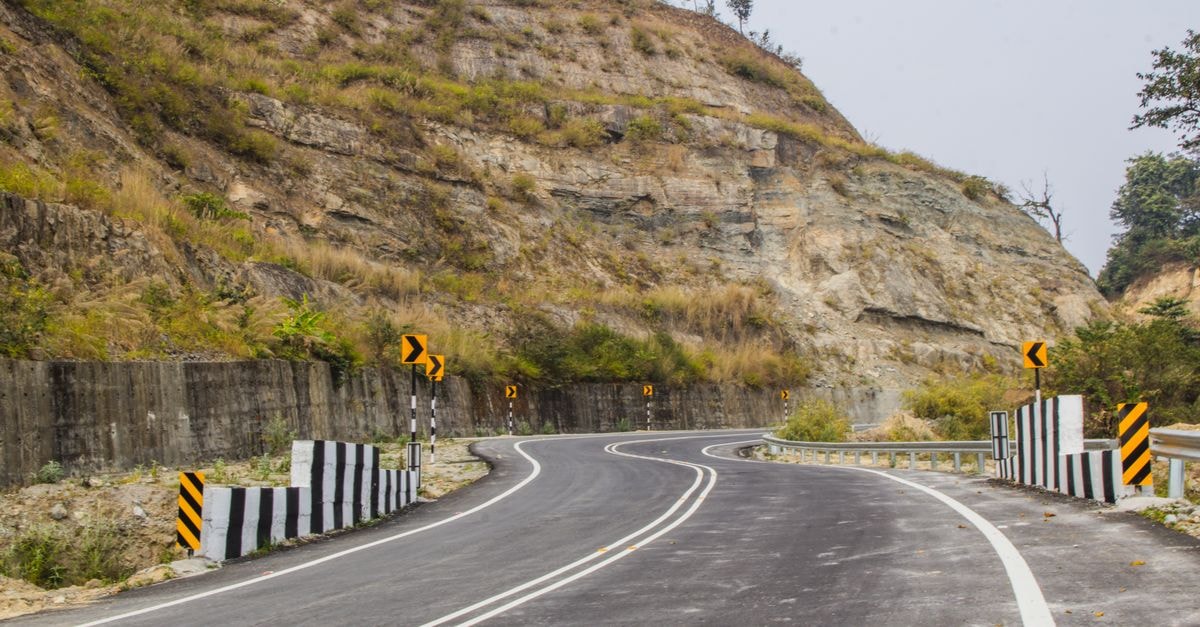
Nizamabad's position makes it a natural waypoint rather than a remote detour. The district is approximately 170 kilometers from Hyderabad according to official district tourism information, and Telangana Tourism describes the city as situated roughly 175 kilometers to the northwest of the state capital. The two figures sit close enough that travelers should treat the journey as a comfortable half-day drive rather than an overnight expedition, though exact route times depend on traffic and chosen road.
The stated role of the district tourism office is to promote tourism destinations by providing necessary amenities and developing tourism places across all spheres to increase visitors. That institutional focus is a quiet reassurance that the basic infrastructure for sightseeing is part of the city's official agenda, even if Nizamabad remains a lesser-known stop compared with Hyderabad or Warangal.
If you prefer shorter hops between heritage sites once you arrive, consider basing yourself near the town center and using local transport for half-day loops. Travelers who like temples with deep regional roots may want to prioritize the Dichpally Ramalayam, which was built in the 14th century by the Kakatiya Kings and is recognized as one of the oldest temples in the district. It is the kind of stop that rewards a slow approach rather than a rushed photo.
Food and wider Indian dining context
Nizamabad sits within a vast country where food is rarely just fuel. India is home to a staggering array of regional cuisines, each with its own unique flavors and traditions, and food carries deep cultural weight across the subcontinent, playing an integral part in rituals, festivals, and social gatherings. That nationwide context is useful framing for any visitor, because dining in a city like Nizamabad is best understood as a local expression of a much larger culinary map.
Understanding these traditions is key to truly connecting with local culture, whether you are traveling through India or simply sitting down to a thali after a temple visit. In practice, this means meals tend to unfold at their own pace, dishes arrive as they are ready rather than all at once, and eating with the right hand or with a spoon both remain common.
Treat the meal itself as part of the sightseeing. A leisurely lunch, a chai break in the late afternoon, and an unhurried dinner often reveal more about a place than another monument.
Before you go
A quick check with official Telangana Tourism channels can confirm current transport options, temple opening arrangements, and any local guidance. Distances and institutional roles described here are based on the city's official district profile and state tourism information, and conditions can change. Travel slowly, ask locals for recommendations once you arrive, and let the Asaf Jahi and Kakatiya layers of history unfold at their own pace.
Prices, opening hours, schedules, reservation rules, and local conditions can change; verify them through official channels before departure.
Share this article
TOOLS FOR THIS PLAN
Make the Nizamabad plan measurable
Choose a tool only when it answers the next question in your trip. Your values stay in the browser, and each tool offers a route back to this planning context.