A distinctive riverside introduction to Kut
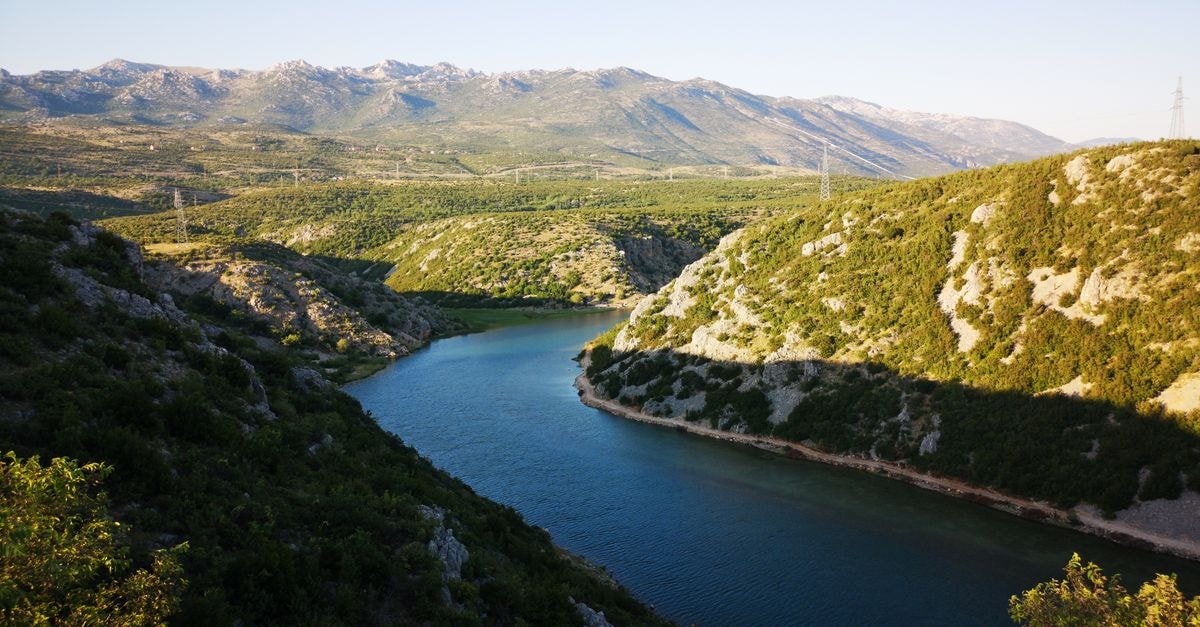
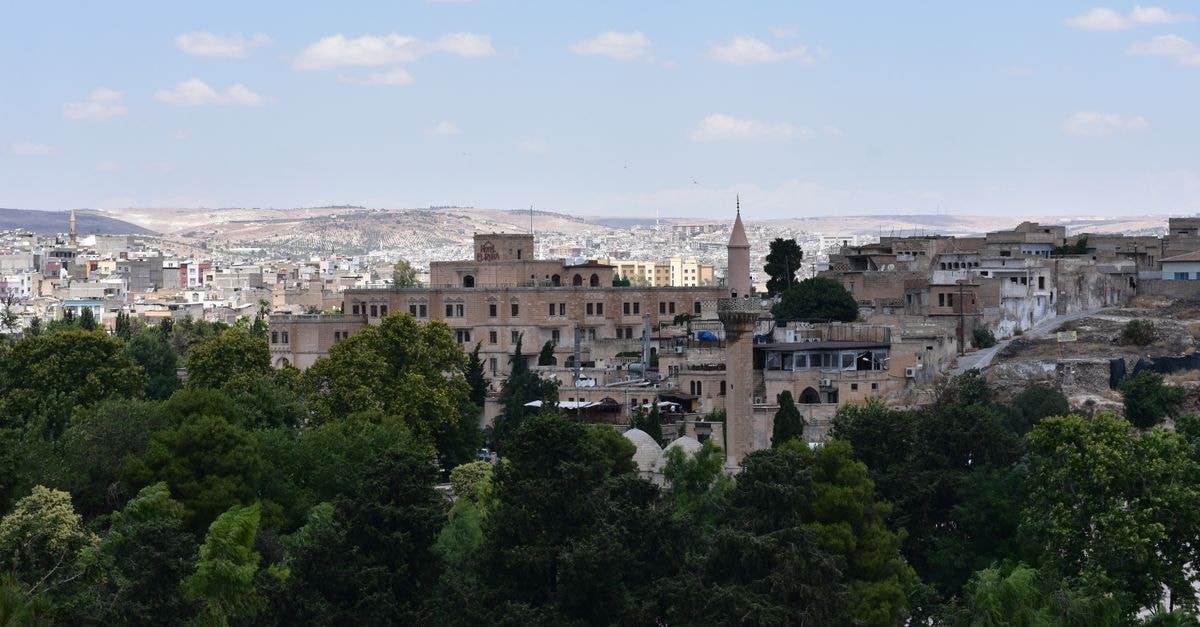
Kut, also called Al-Kut, is the colorful administrative center of Wasit Governorate in eastern Iraq. Its setting is the first thing that gives the city its identity: the Tigris River curves around the old part on three sides, forming a peninsula-like landscape. That unusual arrangement can make the river and its bend feel central to a first visit, even before planning any specific activity.
This guide focuses on practical context for travelers who want to understand Kut’s weather, consider the riverside landmark setting, and approach local food and customs with appropriate cultural awareness.
Weather and seasonal context
Kut has a sharply defined seasonal temperature range. July is the warmest month, with average highs of 45°C, while January can bring lows around 5°C. That contrast makes flexible pacing useful rather than encouraging a fixed routine: if you are visiting in the warmer part of the year, consider planning demanding outdoor activities around the cooler hours, while travelers in cooler conditions may want to allow for a brisk start and warmer clothing layers.
Rain is uncommon in the available city information. Only about 148 mm falls in a typical year, so wet-weather plans may matter less than protection from strong sun or heat when the weather is clear. The figure is a long-term annual context rather than a promise about conditions on any particular day; if outdoor plans depend on the forecast, check the latest information before setting out.
The Kut Barrage is a prominent local landmark and a natural choice for a photo-oriented visit. It also gives the riverside character of the city a concrete focal point. If your preference is a landscape view rather than a list of indoor stops, consider researching the barrage as a starting point while keeping the visit flexible.
Dress for comfort and respect
Practical dress matters both for everyday comfort and cultural presentation. The available guidance recommends modest clothing, with shoulders and knees covered. That can be especially easy to combine with breathable choices for Kut’s hot periods, while cooler weather may call for additional layers rather than a complete change in style.
This is a city-level dress guideline, not a claim about access, service or the behavior of any particular venue. If you are unsure how an outfit will fit a specific setting, keeping the recommended coverage in mind before leaving is the simplest approach.
What the river bend says about seeing Kut
The Tigris River is not merely a backdrop in the city description: it flows around Kut’s old part on three sides and creates the peninsula-like arrangement that makes the place distinctive. Travelers who prefer waterfront scenery, photography or a sense of orientation may therefore find the river bend worth using as a mental map. The Kut Barrage can serve as one recognizable landmark within that broader setting.
The evidence supports a broad visual character, not a detailed itinerary or a claim about boat access, riverside services or walking routes. Those details should be checked directly before making plans, especially if a particular viewpoint, transport connection or activity is essential to the visit.
Food and local context
The available food evidence gives wider Iraqi context rather than a list of Kut-specific dishes or restaurants. Iraqi food culture includes traditional dishes and dining customs, and the broader cultural guidance notes that people in Iraq may eat with their hands and make apologetic or expressive remarks part of the dining interaction. These details can help visitors recognize the cultural setting they may encounter while in Kut, without implying that every restaurant follows exactly the same style.
For travelers interested in food culture, consider using local meals as an opportunity to understand everyday Iraqi dining rather than searching for an unsupported list of specialties. There is no confirmed evidence here for a particular Kut market, restaurant, menu, opening hour or price, so it is better to ask locally or verify details than to rely on an imagined itinerary.
Arabic and Kurdish have official-language status in Iraq. During Ramadan, a public-eating prohibition may also apply to foreigners; if you are traveling during Ramadan, check current guidance and local norms before eating or drinking in public.
Choosing what fits the trip
Kut is best approached through preferences that the available information can actually support. If your main interest is landscape and photography, the Tigris bend and Kut Barrage offer the clearest starting points. If your priority is understanding weather and outdoor conditions, the city’s strong summer highs and cool winter lows make flexibility important, while low typical rainfall offers only broad context rather than certainty. For a food-centered visit, wider Iraqi customs provide useful background but not enough evidence to promise a specific Kut meal or venue. Modest clothing helps travelers who want to feel comfortable with local expectations, though it is not a substitute for checking the dress requirements of any particular place.
A final check before departure
Travel conditions and local details can change, and this evergreen guide does not replace live information. Check official channels or current local guidance before departure, and verify any weather, access, cultural or dining detail that materially affects your plans.
Share this article
TOOLS FOR THIS PLAN
Make the Kut plan measurable
Choose a tool only when it answers the next question in your trip. Your values stay in the browser, and each tool offers a route back to this planning context.